
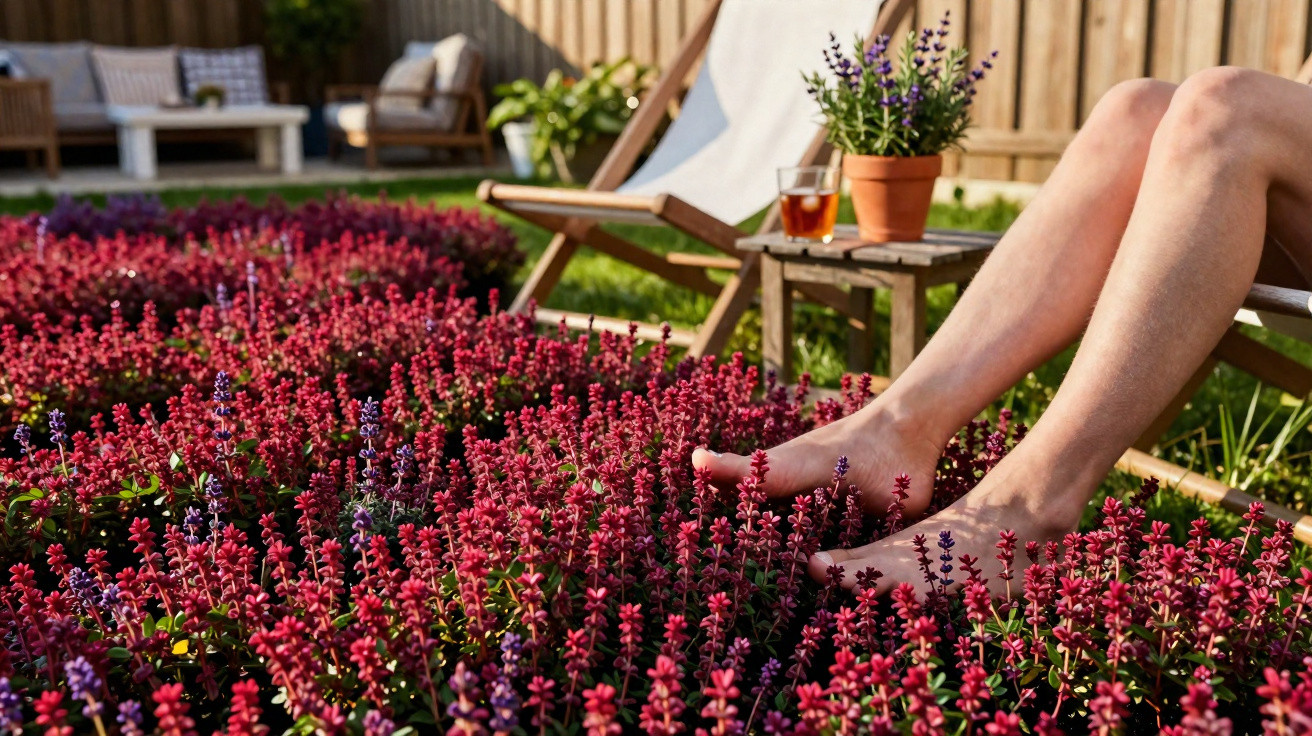
Anyone who spends hours mowing the lawn in summer, only to be bitten while sitting outside later, will know this garden dilemma all too well. Water is becoming more expensive, lawns suffer during heatwaves, and chemical mosquito sprays are unpleasant on the skin. This is where an aromatic ground-cover plant comes in: it is increasingly establishing itself as an alternative to the traditional lawn while also making outdoor areas considerably less appealing to mosquitoes.
Red creeping thyme: a living carpet instead of a thirsty lawn
Red creeping thyme (botanical name Thymus serpyllum ‘Coccineus’) stays remarkably low, usually reaching just 5 to 10 cm in height. Rather than producing long blades of grass, it forms dense, cushion-like mounds that gradually merge into a continuous carpet. Its tiny leaves are evergreen and highly aromatic, while the flowers appear in shades ranging from purple to pink.
“This ground cover replaces lawn in sunny spots, saves water and attracts bees – not the lawnmower.”
This is exactly where many gardens offer potential. Areas that are difficult to keep green, repeatedly turn yellow or are awkward to reach can be made far easier to maintain with red creeping thyme. Typical places to use it include:
- Between patio slabs or stepping stones
- On dry banks and slopes
- Along the edges of seating areas and paths
- In place of narrow lawn strips that are difficult to mow
Once it has become established, the plant needs almost no additional water. Its close growth naturally suppresses many weeds, meaning a hoe and weeding tool are needed far less often.
Site requirements: where the thyme carpet thrives
Red creeping thyme is a true sun-lover. The hotter and drier the position, the better it performs, provided that the soil drains well. It will not tolerate waterlogged conditions.
| Feature | Details |
|---|---|
| Growth height | approx. 5–10 cm |
| Spread per plant | approx. 30–40 cm |
| Position | Full sun, dry, low-nutrient, well-drained |
| Winter hardiness | down to around –25 °C |
| Leaves | Evergreen, strongly aromatic |
The soil can be stony or sandy and should be on the lean side rather than overly rich. Before planting in heavy soil, many home gardeners work in plenty of sand or fine gravel. This allows rainwater to drain away quickly and helps keep the roots healthy.
How thyme makes life harder for mosquitoes
Mosquitoes do not favour dry, breezy places with strong scents. The environments they do like often feature closely grouped pots, permanently damp saucers, or shady corners with wet gaps between paving. These are precisely the places where small breeding and sheltering sites develop, often within arm’s reach of the garden table.
Red creeping thyme creates a different setting. It keeps the area around patios and seating dry and well ventilated. There is no tall growth that traps stagnant air and very little water left standing. Its fragrance also plays a role: when the thyme carpet is walked over or lightly brushed, the leaves release essential oils.
“The intense thyme scent can disrupt mosquitoes’ ability to orient themselves and makes the area less attractive to them – entirely without spray mist.”
This plant alone cannot guarantee a mosquito-free garden; claiming that would be misleading. Combined with other fragrant herbs, however, it can noticeably reduce the number of bites around a patio. The important thing is to understand the principle: less moisture, more air movement and powerful herbal fragrances are conditions mosquitoes do not appreciate.
Planting red creeping thyme step by step for a dense carpet
The best planting period is from late winter through to late spring, once the soil has warmed slightly but still holds residual moisture. Young plants root especially well at this time.
Preparing the soil
- Loosen compacted soil and remove the roots of troublesome weeds.
- In heavy ground, incorporate sand or fine gravel to improve drainage.
- Do not add fresh, heavily fertilised soil, as thyme prefers lean conditions.
Spacing and care during the first year
- Plant in full sun, leaving 30–40 cm between plants.
- For a carpet that closes quickly, use around 9–12 young plants per square metre.
- During the first few months, water regularly whenever the soil feels noticeably dry.
- From the second year onwards, water only during extreme heat or prolonged dry spells.
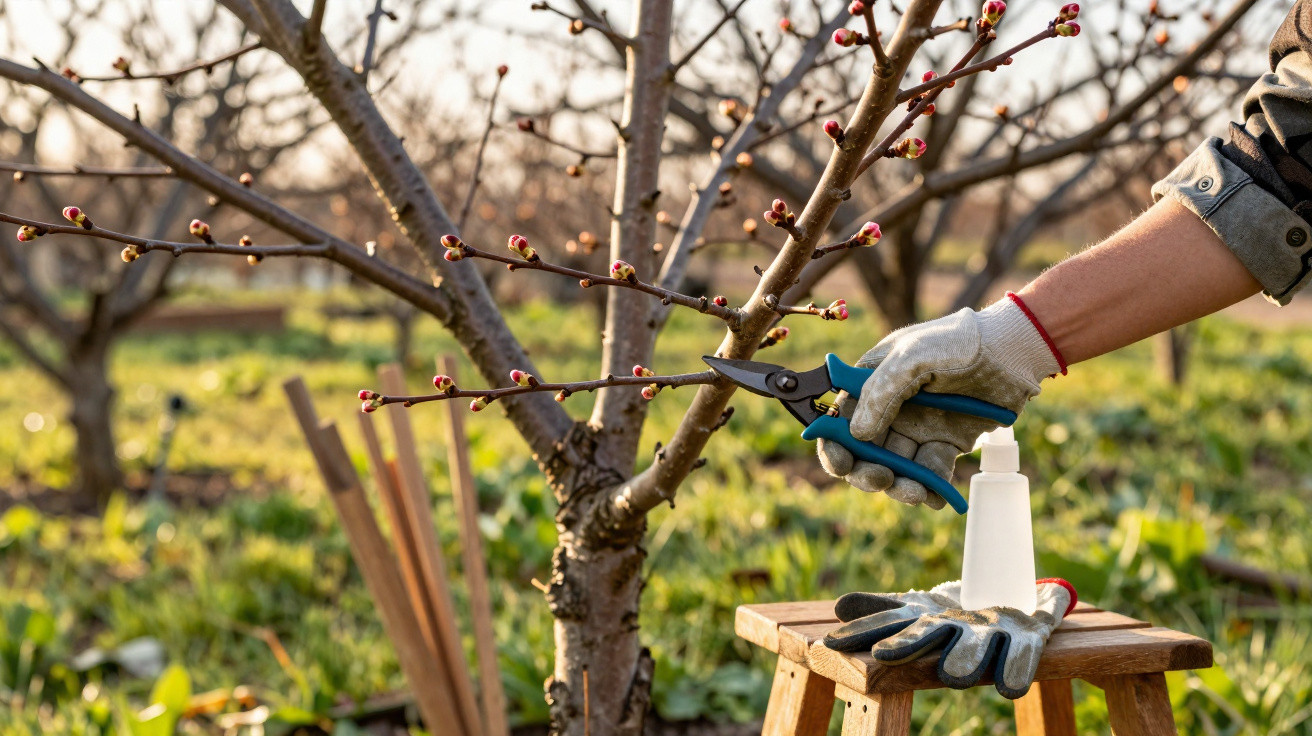
After flowering, a very light trim is enough to keep the carpet compact. Red creeping thyme does not respond well to severe cutting back into old wood. It is better simply to shorten the flowering stems slightly and gently shape the cushions.
Combining thyme with other herbs: a natural fragrance barrier around seating areas
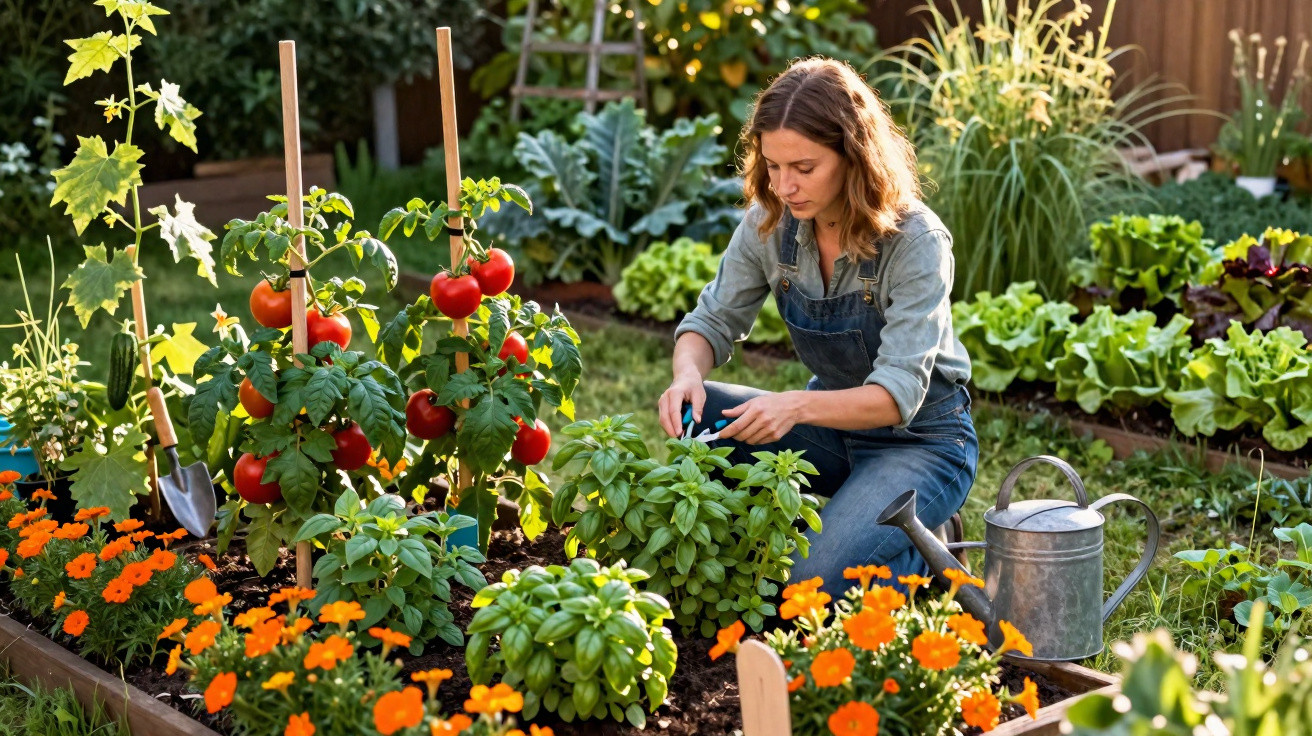
It becomes especially interesting around an outdoor dining spot. Where lawn would otherwise run up to the edge of the patio, red creeping thyme can be planted as a border. A few raised planters or balcony pots filled with intensely scented herbs can provide extra support directly alongside it:
- Lemon basil
- Lemongrass
- Peppermint in pots (because of its tendency to spread)
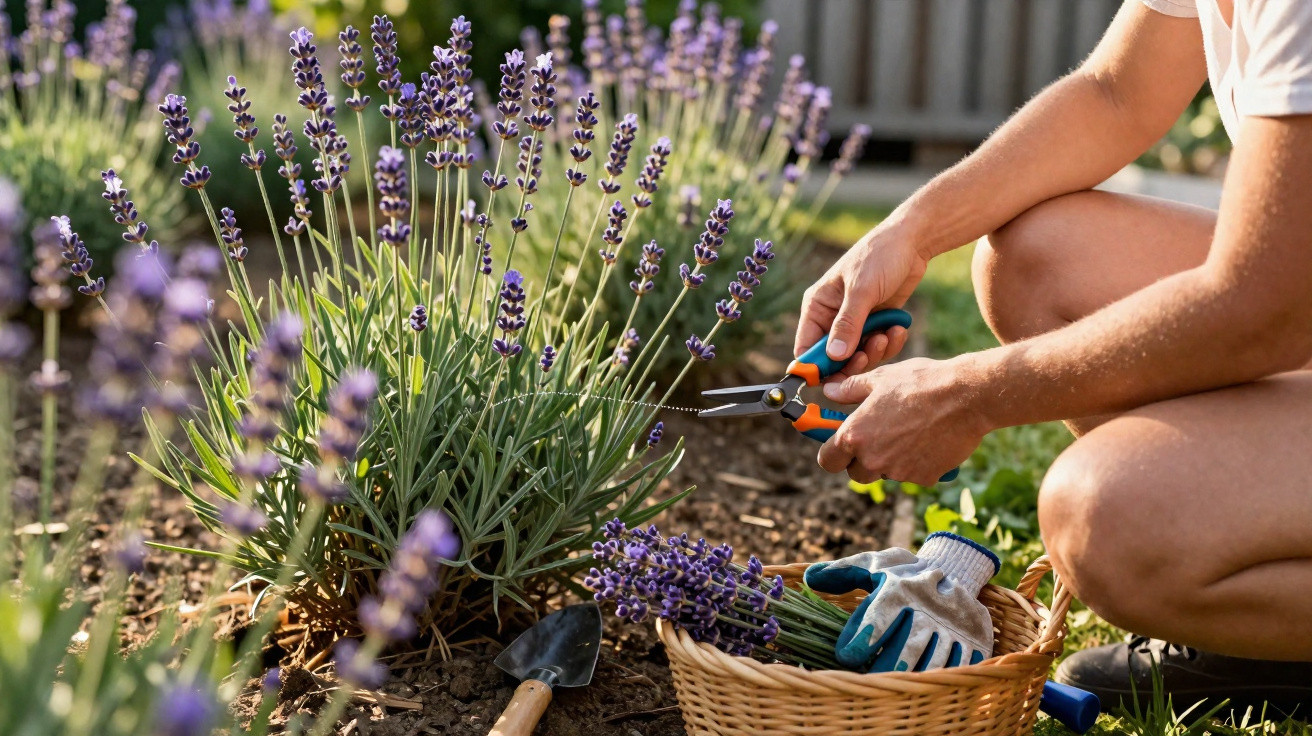
- Rosemary, sage or lavender
One important point: do not squeeze the containers tightly against glazed doors, windows or house walls. Position them with some space around them, and do not leave their saucers permanently wet. This avoids creating damp hiding places and allows the cloud of fragrance to disperse more effectively.
Lawn replacement with side effects: benefits and possible limitations
Red creeping thyme offers a whole range of advantages, not only for convenience but also for the environment.
- Significantly lower water requirements than a conventional lawn
- Hardly any mowing and almost no engine noise
- Flowers provide food for bees and other insects
- Hardy in frost well below zero
Even so, it is not suitable for every type of garden use. Children wanting to play football, or dogs regularly racing across the area, can cause considerable damage to the delicate carpet. Heavily shaded positions, such as beneath dense trees or on north-facing sides, are also unsuitable: the plant quickly declines and becomes sparse there.
Practical uses: where a thyme carpet makes particular sense
Red creeping thyme is ideal for areas that are mainly viewed and only walked on occasionally, rather than intensively used. For example:
- Front gardens with plenty of sunshine and little room for a lawnmower
- Areas alongside driveways or garage entrances
- Rock gardens that need softening and greening
- Spaces between a seating area and flower beds that would otherwise produce only dust and weeds
Particularly in regions affected by summer drought, a thyme carpet can help reduce water use noticeably. Rather than running sprinklers constantly, rainfall is sufficient in many years once the plants have established. Anyone who collects rainwater can usually cover the few necessary watering sessions entirely from a water butt.
What creates the scent and how to use it effectively
Thyme’s distinctive aroma comes from essential oils, including thymol. In nature, these substances protect the plant while also having an irritating effect on many insects. To people, the carpet smells pleasantly Mediterranean; to mosquitoes, it creates a disruptive backdrop of scent.
To intensify the effect, walk lightly over the carpet on warm evenings before sitting down, or run a hand over the cushions. This breaks a few leaves and releases more fragrant compounds into the air. Combined with an open, dry layout and other herbs, this creates a natural, relatively low-maintenance mosquito deterrent around a favourite spot in the garden.
Comments
No comments yet. Be the first to comment!
Leave a Comment