

Stains, a yellow tinge and moss everywhere – yet an unassuming powder applied in March can turn things around completely.
Many garden owners instinctively reach for a water butt, fertiliser or even a complete lawn replacement. Professionals, however, often begin in March with a straightforward mineral treatment that suppresses moss and visibly strengthens grass within a short time. Used correctly, it gives your lawn a powerful start to the season.
Why lawns look so tired after winter
For months, a lawn has to cope with everything it dislikes: cold, wet conditions, little light and repeated frosts. The turf suffers and the blades lose strength. At the same time, rain and foot traffic compact the soil, making it harder for air and water to reach the roots.
Moss thrives in these conditions. It colonises the gaps between the grass blades, spreads steadily and deprives the lawn of both light and space. As temperatures gradually rise towards the end of winter, grass is slow to get going. The result is yellowish, patchy ground rather than a thick green carpet.
“The transition from winter to spring is precisely when it is decided whether the lawn recovers – or moss finally gains the upper hand.”
From around the beginning of March, the roots become more active again. Grass begins growing and benefits from every bit of support it receives at this stage. It is therefore the ideal time to intervene selectively and shift the balance back in favour of the grass.
The powder professionals rely on: iron(II) sulphate
During this period, gardeners and grounds-maintenance companies often turn to a long-established product: iron(II) sulphate, usually referred to simply as iron sulphate. This finely ground mineral powder combines two effects: moss control and lawn strengthening.
Moss disappears and grass can breathe again
Iron sulphate acts very quickly on mossy areas. Depending on the weather, the treated patches turn dark brown to black within a few hours or days, then die off. This creates space for the grass to reclaim.
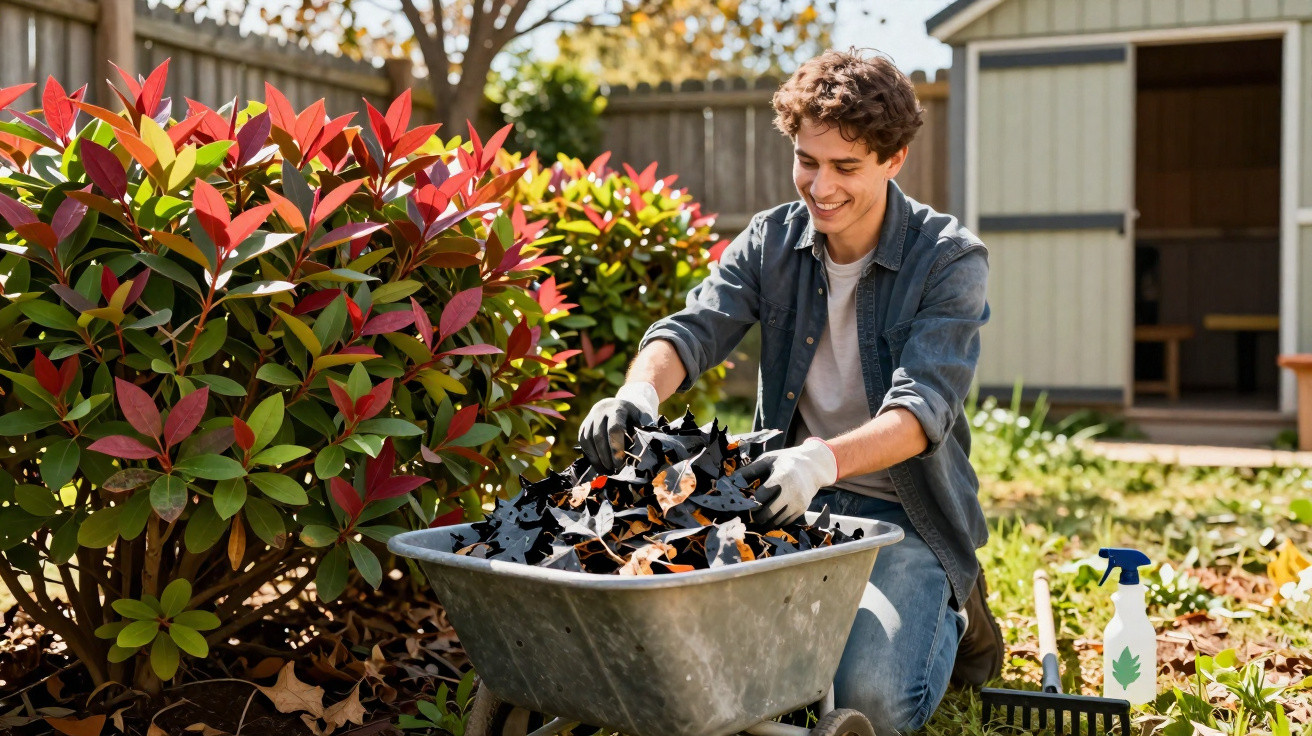
Important: moss does not simply disappear on its own. Once dead, it initially remains in the turf as a black mass. You will need to remove this layer later, otherwise it will continue to prevent new grass from growing.
More chlorophyll, richer green growth
As well as acting on moss, iron sulphate supplies the soil with iron, a trace element plants need to produce chlorophyll. Chlorophyll is what makes leaves and grass blades green and enables them to draw energy from light.
“With iron acting as a boost, the lawn quickly develops a deeper, richer green and looks denser and more vigorous.”
Many home gardeners are surprised by how quickly a dull, yellowish lawn can visibly recover after a properly measured treatment in March, often well before the “official” arrival of spring.
How to use iron sulphate correctly in March
To ensure the treatment works without causing damage, a few basic rules should be followed. March is particularly suitable because the soil is usually damp but no longer frozen, while the grass is already poised to start growing.
Choosing the right time and conditions
- Temperatures above freezing, ideally 8–15°C
- Soil that is lightly moist but not waterlogged
- No frost in the days before or after application
- No strong direct sunshine while applying the product
Many manufacturers recommend applying it on a dry, overcast day. This allows the treatment to soak in properly rather than being washed away immediately by rain.
Mixing and dosage
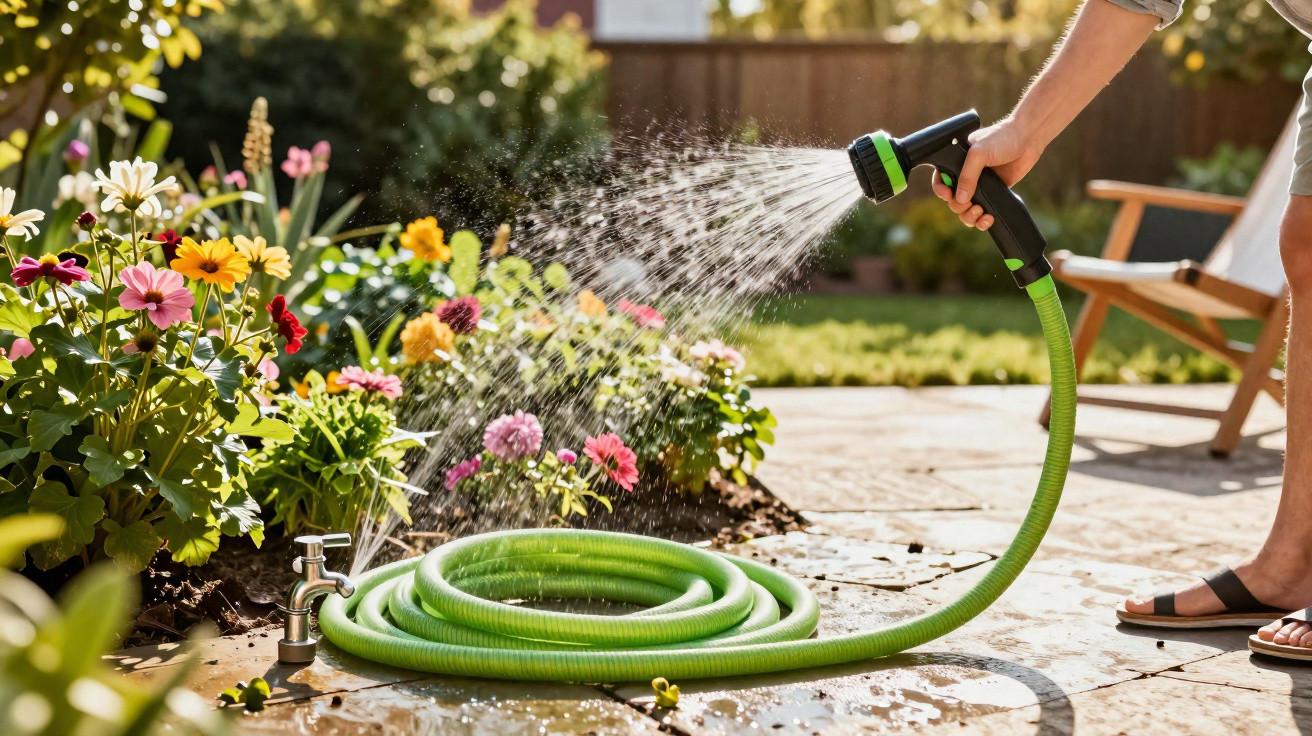
Iron sulphate can be spread dry or dissolved in water. For an even application, professionals generally favour the liquid method.
“Typical recommendation: 20 to 30 grams of iron sulphate per litre of water, distributed evenly over the lawn using a pressure sprayer.”
Always follow the instructions on the packaging. Excessive concentrations can scorch grass, especially if the soil is dry or the sun is strong.
Working safely and avoiding stains
Iron sulphate is inexpensive, but it is not harmless. Contact with skin or eyes may cause irritation, and it leaves rust-coloured marks on stone surfaces.
- Wear protective gloves and rubber boots
- Keep children and pets away during application
- Protect paths, patios, edging stones and pool surrounds from spray
- Rinse equipment thoroughly with water after use
If droplets land on paving slabs or tiles, they often cause rust-like discolouration that is difficult, or impossible, to remove. When working close to edges, a spray guard or a nozzle held low and flat can help.
What happens after treatment – and what to do next
Once applied, the lawn needs a little time undisturbed. There should be no rain during the first 24 hours so that the powder can work fully. It is also best to postpone watering.
After one to two weeks, the effect should be clearly visible: the moss will have turned black and dry, while the grass will show a fresher, stronger green.
Remove the moss and aerate the lawn
The next stage is crucial: the dead moss needs to come out. Otherwise, it forms a dense thatch layer that continues to block water and air.
- First mow the lawn to a medium height
- Thoroughly rake over the area with a scarifier or sturdy rake
- Remove and dispose of all moss and thatch debris
This “scratching” process aerates the turf and loosens the soil. Any gaps that become visible are not a problem – on the contrary, they provide room for fresh seed.
Overseeding and nutrients for the whole season
Overseeding is worthwhile afterwards. Special lawn overseeding mixes fill the resulting gaps much faster. Work the seed in only shallowly and lightly firm the soil so it makes good contact with the ground.
An organic lawn fertiliser supports continued growth without overloading the young turf. Over the following weeks, this helps create a dense lawn that gives moss fewer opportunities in the long term.
When it is better not to use iron sulphate
Useful as this powder can be, it is not suitable for every situation. On soils with very high lime content, its effect may be weaker because the pH is already relatively high. On extremely acidic soils, iron sulphate makes the issue worse, and moss will soon return.
Pet owners should ensure that dogs do not lick or chew freshly treated grass. In sensitive areas, an alternative moss remover based on other active ingredients may be the better option.
Think long term: keeping your lawn low in moss
Iron sulphate works quickly, but it is no substitute for good lawn care. Moss usually appears where conditions for grass remain poor over time – for example, in deep shade, on waterlogged ground or in very compacted soil.
- Maximise light: prune overhanging branches and reduce shade
- Ensure drainage: prevent standing water and check drainage if necessary
- Loosen the soil: schedule regular aeration and scarifying
- Fertilise appropriately: do not use too little, but do not overdo it either
Combining these measures with a targeted iron sulphate treatment in March significantly improves the starting conditions for your lawn. Step by step, a tired winter lawn becomes the thick, richly green carpet you will happily walk across barefoot in summer.

Comments
No comments yet. Be the first to comment!
Leave a Comment