
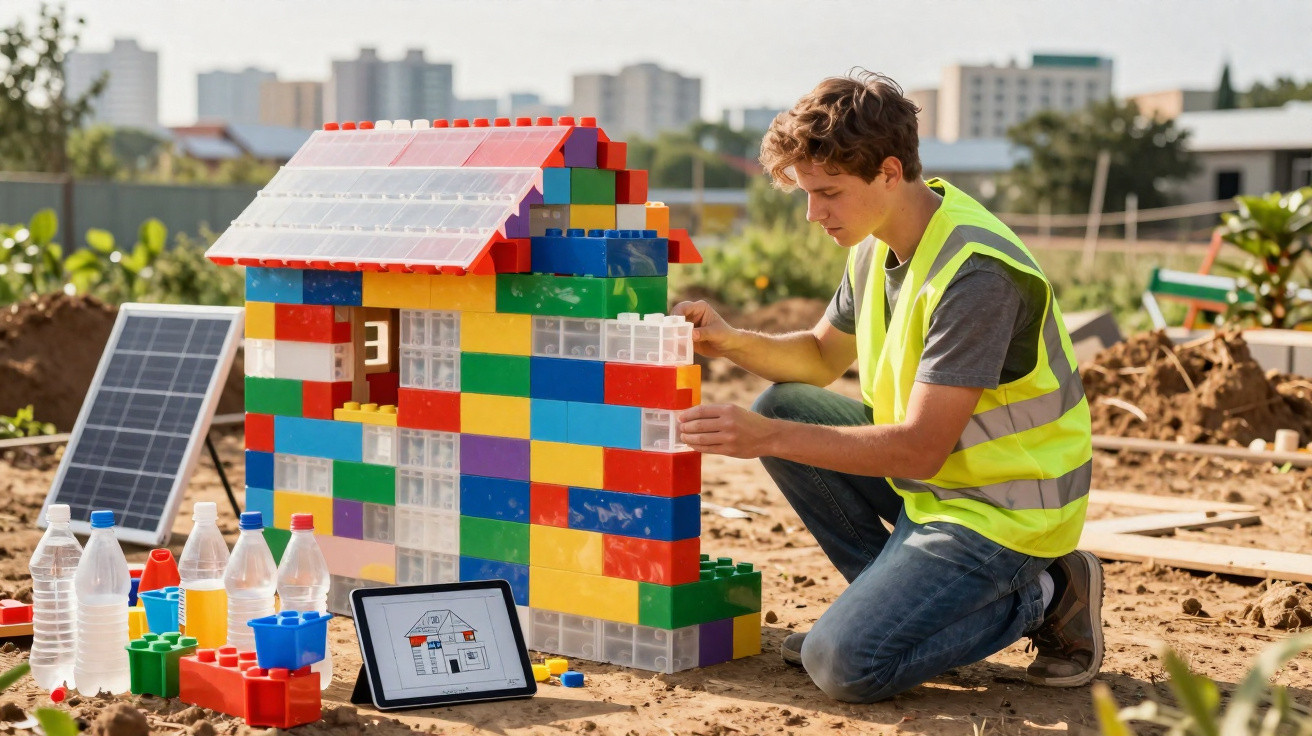
The search for affordable construction solutions is driving sustainable innovation worldwide. Converting urban waste into modular components provides swift answers for social housing, cutting environmental impacts while delivering durable structures for vulnerable communities in record time.
How does modular plastic brick technology work?
The creation of interlocking blocks turns recyclable materials into efficient engineering alternatives. This approach removes the need for conventional mixes and speeds up wall construction, enabling intuitive assembly without requiring specialised labour.
As well as its structural practicality, using plastic components drastically reduces the volume of rubble generated on building sites. The smart reuse of discarded materials prevents their accumulation in landfill and reinforces practices focused on fully sustainable urban development.
How can a plastic brick withstand powerful earthquakes?
The secret lies in the intelligent modular interlocking structure, which absorbs impacts without cracking the walls… Read more
What are the benefits of rapid home assembly?
Faster building construction is an important advance in meeting social housing needs and responding to emergency situations. Developments using modular systems can put up complete residential units in just a few days, providing secure shelter and a reduction in logistical costs.
Removing traditional mortar work lowers water consumption and reduces reliance on large on-site teams. This operational efficiency makes it possible to build forty-square-metre homes with exceptional technical precision and a high level of thermal comfort.
Below is a video from the Insider Tech YouTube channel that explores the points discussed in this topic in greater depth:
How does recycled plastic support the circular economy?
Turning discarded polymers into structural blocks is a practical example of the circular economy concept in the construction industry. Rather than polluting rivers and oceans, plastic receives an extended useful life in buildings that provide stability and safety.
This production model creates new strategic opportunities for local recycling chains, strengthening the income of regional co-operatives and reducing the carbon footprint. Using alternative materials converts urban environmental problems into efficient and highly profitable housing solutions.
Plastic Block Benefits Kit
Core benefits
See the main features that make this construction system viable:
- 1
Simplified assembly through a direct interlocking system; - 2
A drastic reduction in the use of cement or mortar; - 3
Large-scale reuse of discarded waste.
What challenges affect the planning of eco-friendly housing?
Large-scale implementation requires standardised technical regulations and acceptance within the property market. Overcoming long-standing cultural prejudice about plastic calls for rigorous structural testing to demonstrate the safety and longevity of homes under different weather conditions.
Furthermore, establishing favourable public policies is essential to encourage private investment in sustainable technologies. Integrating suitable urban legislation promotes the adoption of recycled materials and broadens access to community housing with proven quality.
The main requirements for making these sustainable urban developments possible are highlighted below:
- Architectural planning focused on urban modular efficiency;
- Technical certification for thermal resistance and structural durability;
- Training local teams for rapid, safe assembly.
What is the future of sustainable methods in civil engineering?
The global progress of modular materials promises to reshape the standards of contemporary architecture by prioritising processes with a low ecological impact. The daily combination of technological innovation and social responsibility is driving architectural projects able to respond effectively to growing housing challenges.
As these methods expand, the construction industry is moving towards a more sustainable, agile and accessible future. Converting waste into functional homes shows how modern engineering can combine environmental preservation with social development in a fully harmonious way.


Comments
No comments yet. Be the first to comment!
Leave a Comment