
They often miss the best planting window as a result.
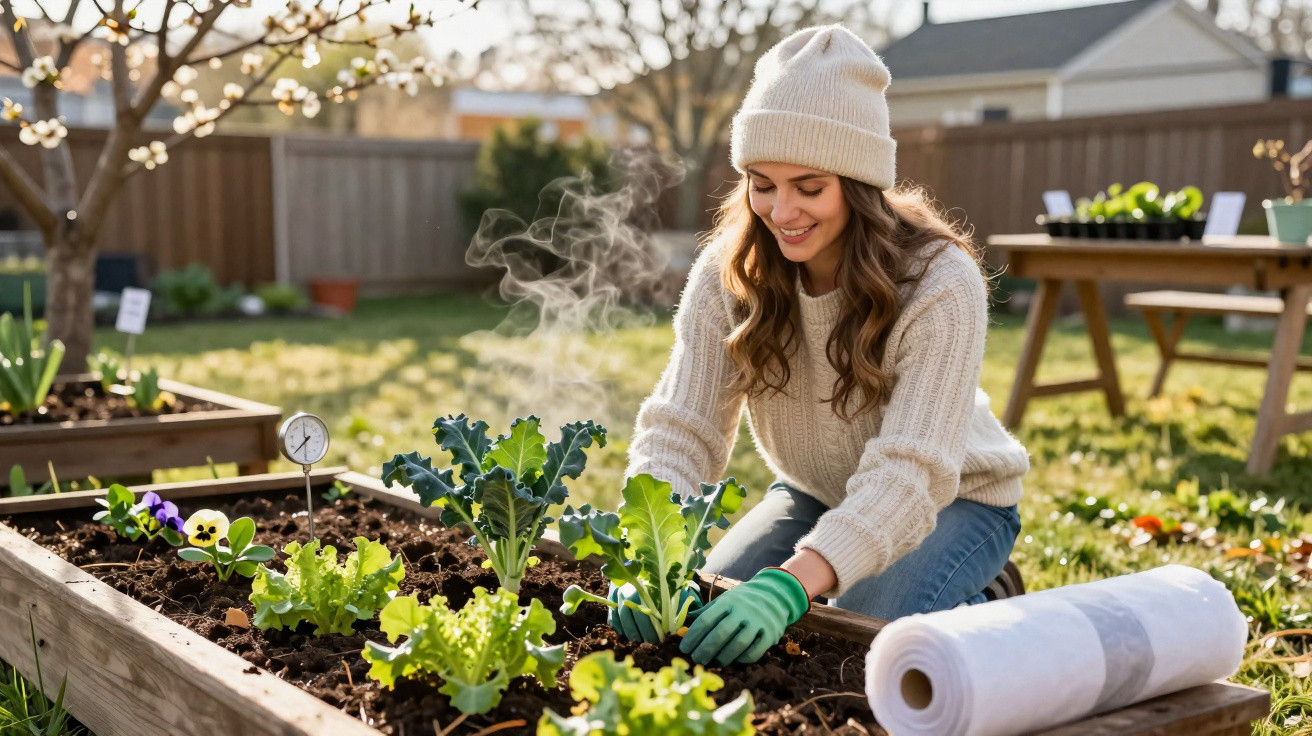
For many gardeners, the traditional Ice Saints days in May are treated almost like a stop sign. Plant too early, and complete losses in the border seem inevitable. A closer look, however, reveals that only some plants are truly sensitive. Many species much prefer the cool conditions of early spring to soil that has heated up by late May.
What the Ice Saints really mean – and what they do not
The term Ice Saints refers to a period in mid-May when cold nights and ground frost can return after a mild spell. Meteorologists regard this as a statistical pattern rather than an unbreakable rule.
“The Ice Saints are a weather guide – not a strict ban on planting until mid-May.”
The greatest risk applies to plants originating from warm regions, or those that have so far been kept indoors or in a heated greenhouse. Their cells are full of water and they have barely adapted to temperature fluctuations. Even a brief frost can destroy leaves and shoots.
Hardy species adapted to European winters react very differently. They tolerate low temperatures, develop a degree of frost protection and often fare better in cool spring soil than in hot, dry ground later in May.
These ornamental plants can go into the border early
Flowering favourites that cope easily with cold
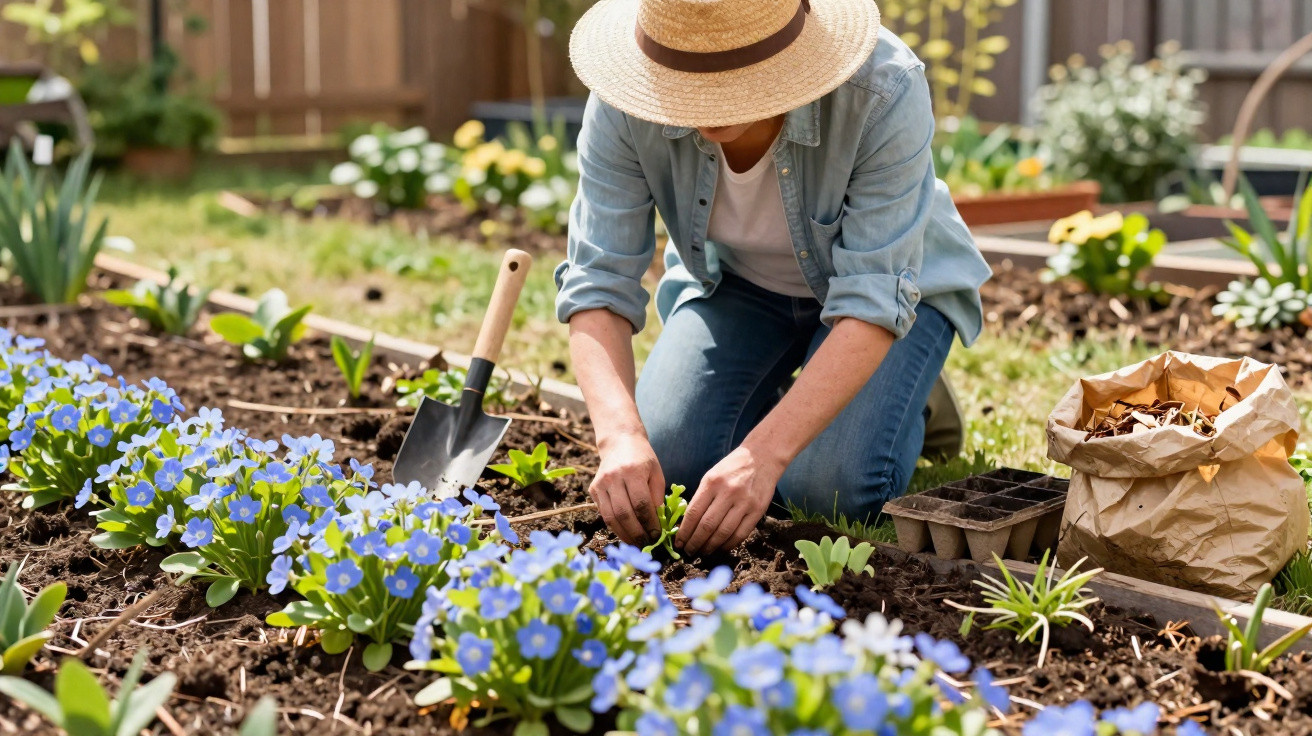
Anyone tired of colourless borders by late March or in April can confidently choose from several tried-and-tested species. They add colour and cope with chilly nights without difficulty.
- Pansies: A staple for window boxes and borders; they withstand light frosts and flower for months.
- Primulas: They enjoy the cooler season and tend to retreat in summer, so planting them early causes no harm.
- Ranunculus: More sensitive to prolonged wet conditions than cold, but exceptionally vivid in colour.
- Wallflowers: Strongly scented, suitable for border edges and wall crevices, and tolerant of cool weather.
For a longer-lasting garden display, choose hardy perennials and shrubs that are happy to move into their final position early:
- Aster species: Benefit from an early-spring start, allowing them to form strong clumps by autumn.
- Japanese anemones: Prefer free-draining soil and are more sensitive to waterlogging than cool temperatures.
- Helleborus (Christmas and Lenten roses): Genuine winter specialists that are scarcely affected by being moved in spring.
- Ornamental cherries: Often planted early so they can establish roots before summer.
- Box: A compact evergreen that handles cold far better than dry heat.
“Planting perennials and hardy ornamental shrubs early usually gains an entire growing season of growth.”
Fruit trees and berry bushes – timing pays off
For many fruit trees and bushes, early spring is actually the ideal time to plant. Their roots have weeks to settle into soil that is still cool and moist before summer brings dry conditions.
Fruit varieties suitable for early planting
- Apple: Tolerates cold nights and prefers deep sites that do not dry out too much.
- Pear: Slightly more demanding about soil, but unaffected by cool spring temperatures.
- Cherry: Produces vigorous roots when planted early and crops more reliably later on.
- Berry bushes such as raspberry, blackcurrant and blackberry: Produce stronger new growth after an early planting date.
Stone fruits require a little more care:
- Peach and apricot: Their blossoms are easily damaged by late frost. They need sheltered positions against house walls or locations with a mild climate, and are best not planted in the middle of a frost-prone spring.
In harsher areas, it is particularly worthwhile using microclimate techniques: south-facing walls retain warmth, hedges slow cold winds, and a gently sloping bed allows cold air to drain downhill.
Vegetable patch: what can go out now, and what must wait?
Hardy vegetables for an early start
The distinction is especially clear in the vegetable garden. Some crops thrive in cool conditions and quickly become tough or bolt in high summer.
| Suitable for an early start | Benefit |
|---|---|
| Peas | Germinate well in cool weather and benefit from spring moisture |
| Broad beans | Tolerate light frosts and provide an early harvest |
| Carrots | Develop fine roots in cool soil |
| Radishes | Become more tender in spring than when they mature in high summer |
| Potatoes | Tubers remain protected underground; foliage can be earthed up during frost |
| Onion sets, garlic, shallots | Early planting encourages rapid growth and an early harvest |
“Many traditional vegetables are more ‘cool-weather fans’ than frost victims – they suffer more from summer heat than from spring cold.”
These warmth-loving crops need patience
The crops that are genuinely delicate are those that originally come from tropical or subtropical regions. They barely tolerate temperatures just above freezing.
- Tomatoes
- Courgettes and other cucurbits
- Melons
- Peppers and chillies
- Aubergines
They should only be planted in the garden once night-time temperatures remain reliably above freezing. Those unwilling to wait need serious protection: a heated greenhouse, polytunnel, thick horticultural fleece, or at least the option of bringing containers back indoors at short notice.
Herbs: which can go outside and which stay on the windowsill?
Culinary herbs show a similarly clear divide. Some species are surprisingly tough, while others take offence even at a cool draught.
- Parsley: Tolerates cool temperatures and actually prefers fresh conditions.
- Mint: Vigorous and hardy, almost invasive, and happy outdoors early in the year.
- Rosemary: Hardy depending on the variety, prefers drier positions and can be planted out early if it has overwintered.
- Chives: A classic early starter that quickly sends up new growth after winter.
Basil, by contrast, behaves very differently. This herb can lose leaves and rot after even a single degree below zero. It is better kept on a warm windowsill, in a greenhouse or beneath thick protective fleece until the nights are considerably milder.
How to acclimatise young plants safely to outdoor conditions
Much spring damage is caused not only by frost but also by abrupt change: moving from a steady 20°C to intense sunshine, wind and cool nights. Professional gardeners therefore take a gradual approach.
- First place young plants outside during the day in a shaded, sheltered spot.
- Extend the time outdoors a little each day.
- After a few days, move them into light partial shade and then into sunshine.
- If frost is forecast overnight, bring containers back inside or cover them with horticultural fleece.
“The slow acclimatisation process protects sensitive leaves from sun scorch and cold shock – often more effectively than one additional day in a warm living room.”
Protective measures for gardeners who cannot wait
Gardeners keen to make an early start can reduce much of the risk with simple methods. Loose, well-prepared soil holds warmth better and drains water away, preventing roots from sitting in wet ground during cold conditions.
Useful protective measures include:
- Horticultural fleece over beds or window boxes to provide a few extra degrees overnight.
- Small polytunnels over rows of more sensitive crops.
- A cold frame or unheated greenhouse as a transition between the living room and the open garden.
- A mulch layer of straw, leaves or grass clippings to buffer the soil against sharp temperature changes.
Container plants are particularly flexible: put them on the patio during the day, then move them back against the house wall or into the hallway at night. This makes it possible to bring planting forward without putting the entire season at risk.
Why early planting is often worthwhile
Anyone relying solely on the mid-May calendar date loses several weeks when the soil is moist, air temperatures are moderate and competition from weeds is still limited. More robust plants reward an early start with stronger root systems, sturdier shoots and often an earlier harvest.
A simple rule of thumb helps: origin and growth habit set the pace. Plants with fleshy, soft leaves and tropical roots need protection and patience. Species from mountains, steppes or temperate regions can go into the border much earlier, provided they are gradually introduced to wind and sunshine.
Understanding these differences makes it possible to use spring in the garden far more effectively – with colourful borders, an early-planted vegetable patch and herbs by the kitchen door, while others are still waiting for the magic date in May.

Comments
No comments yet. Be the first to comment!
Leave a Comment