
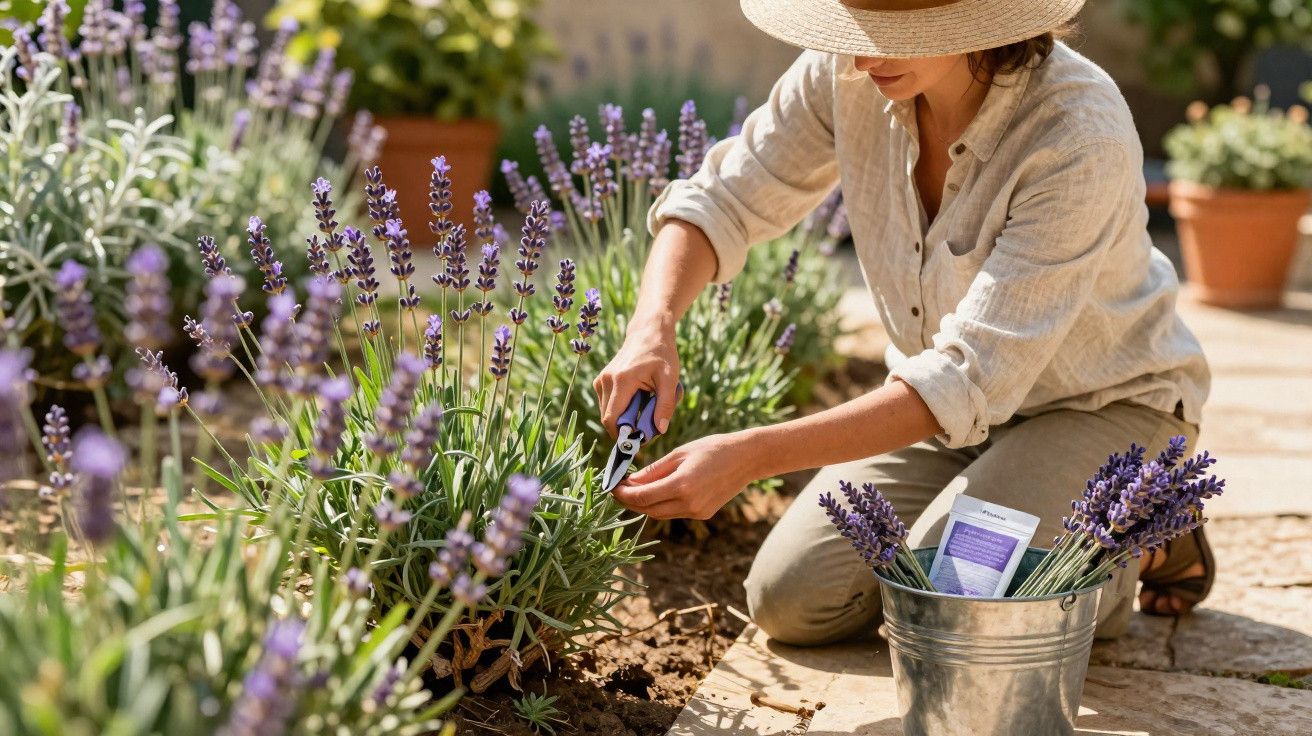
Plant lavender and you picture fragrant purple cushions alive with buzzing bees. Yet summer often brings spindly, bare stems carrying only a few meagre flowers at their tips. The difference between disappointment and a carpet of blooms is decided earlier than many people realise: in March, with one very simple prune.
Why you should prune your lavender in March
Lavender is a subshrub. In practical terms, it becomes woody at its base year after year, while soft green foliage grows above. Without pruning at the right time, the green growth gradually moves ever higher, stems become longer and the plant turns bare at the bottom. Eventually, all that remains is a collection of brown, woody sticks with very few flowers.
An early, gentle prune in March directs the plant’s energy into fresh, low-growing shoots – exactly where most of the flowers will later form.
Gardening professionals point out that the fullness of lavender’s summer flowering is determined in early spring. Prune too late and you shorten the flowering period, while risking a shrub that begins the season without much vigour.
March offers two advantages: the harshest frosts have usually passed, but new growth has not yet fully started. The shrub can therefore put its energy into numerous new side shoots instead of producing just a few long, whip-like stems.
What happens when you delay pruning
If you do not reach for the secateurs until late spring, you effectively remove part of lavender’s first flush of flowers. The plant then needs more time to make fresh shoots, flowering is pushed back, and the overall display is often less generous.
Avoiding pruning altogether is even more damaging. The shrub simply ages, becomes increasingly woody and is harder to rejuvenate as the years pass. Many amateur gardeners eventually become frustrated and dig up such plants, although a straightforward March prune could have kept them well shaped for years.
How to prune lavender correctly in March
The most important rule for spring pruning is this: do not cut into old wood. Being too bold at this stage can leave bare patches that are unlikely to produce new growth.
The perfect lavender prune in three steps
- Step 1: Examine the stem structure
Choose a typical stem and inspect it closely. At the bottom it will be brown and hard – this is the woody base – while higher up it becomes green and soft, with leaves or fresh buds. - Step 2: Choose where to cut
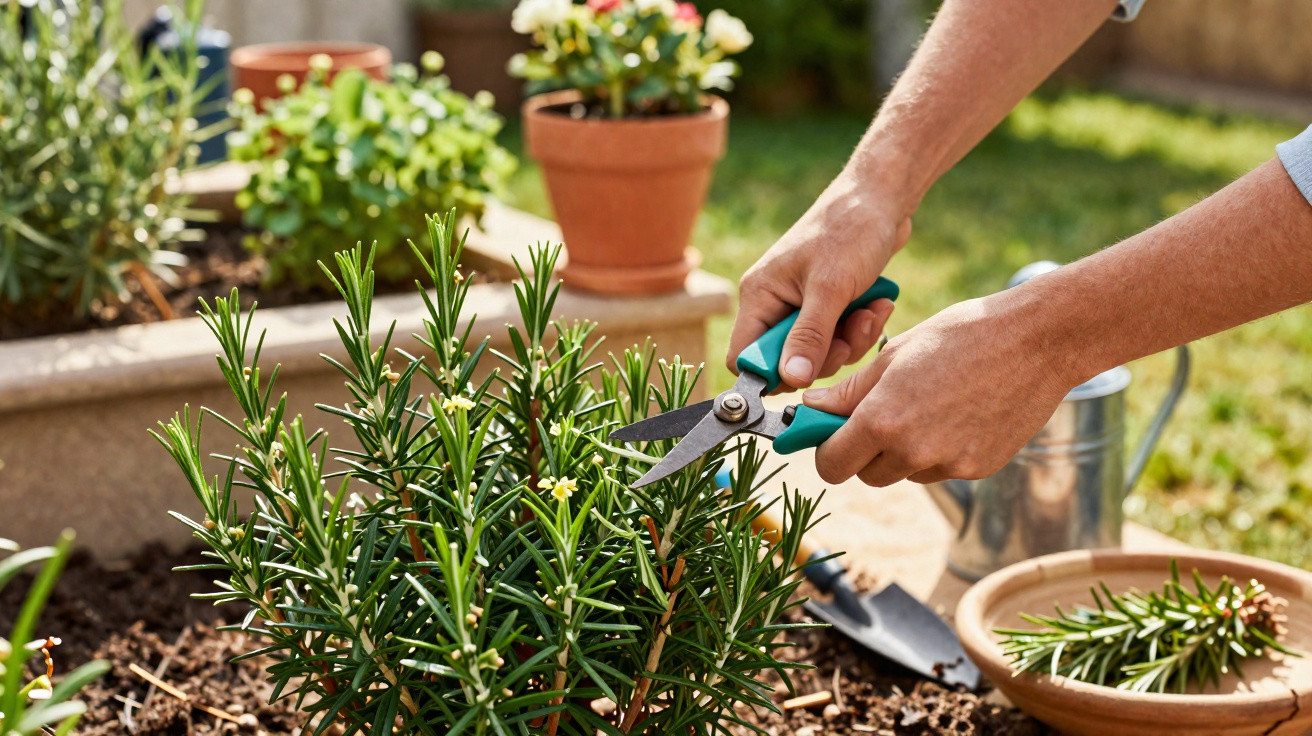
Position the secateurs in the green section, around five to seven centimetres above the hard wood. Always cut where there are leaves or dormant buds; never cut into completely bare wood. - Step 3: Shape the plant
Work around the entire shrub, creating a rounded, gently flattened “lavender mound”. You can shorten the outer stems slightly more than those in the centre to achieve an attractive cushion shape.
Use sharp, clean garden secateurs so the cuts are smooth and disease cannot enter through damaged wounds. Remove dead, frost-damaged or diseased branches completely, cutting back to the point where healthy wood is visible again.
The basic rule for March: shorten gently, restore the shape and cut green wood only – radical pruning comes after flowering.
A light trim now, a heavier prune after flowering
The March prune is a “cosmetic appointment”. Its purpose is to create tidiness and shape while encouraging plenty of new shoots. The genuinely firm cut comes after the main summer flowering period has ended, usually in August.
At that point, you can cut the faded stems back more firmly, again staying within the green growth. This keeps the shrub compact even as it ages and often encourages a second, lighter flush of flowers in late summer.
The most common lavender-pruning mistakes
Many lavender shrubs look tired because the same errors are repeated time and again. Avoid them and you are already halfway to success.
- Pruning too late: The first cut is not made until May or June, so the plant flowers less strongly and becomes woody sooner.
- Cutting into old wood: Cutting deeply into brown, bare sections often results in dead, grey stumps.
- Not pruning at all: Fear of making a mistake means no cut is made. This speeds up woodiness and makes shrubs more prone to breaking.
- Using nitrogen fertiliser: Too much fertiliser encourages soft, unstable green growth, but very little fragrance or flower, and makes the shrub more susceptible to disease.
- Choosing the wrong site: Shade and wet soil quickly cause lavender to become bare and rot, however well you prune it.
Varieties that respond especially well to a March prune
Modern cultivars reward proper care with flowers over many months. Particularly resilient are the varieties known as lavandin, which are crosses between different lavender species. One frequently recommended example is Lavandula x intermedia ‘Phenomenal’.
| Feature | Description |
|---|---|
| Height / spread | Around 60–70 centimetres, forming compact cushions |
| Flower colour | Blue-violet, densely packed on long stems |
| Fragrance | Strong, classic lavender scent |
| Care | Hardly any watering, no high-nitrogen fertiliser, pruning in March and after flowering |
Traditional “English lavender” and the heat-loving varieties with tufted flowers, often sold as “French lavender”, also benefit from this schedule: a light shaping trim in March followed by a stronger prune after the main flowering period.
How to create the perfect conditions for clouds of flowers
Even the best pruning will achieve little if the location is unsuitable. Lavender comes from sparse, sunny regions and has only limited tolerance for our typically wet winters.
Lavender location checklist
- Light: At least six hours of sunshine a day; the more sun it receives, the more fragrant the flowers will be.
- Soil: Free-draining, relatively poor, and slightly sandy or gravelly. Improve heavy clay soil with sand or grit.
- Watering: Water regularly only during the first few weeks after planting, then water sparingly. Avoid waterlogging at all costs.
- Fertilising: Do not use conventional flower fertiliser. It is better not to fertilise at all, or to use a potassium-rich garden fertiliser only very sparingly.
If you have heavy soil, grow lavender in raised beds, dry-stone walls or large containers. Container-grown plants in particular benefit from their March prune, as their stems can otherwise quickly grow to one side and flop over.
Why pruning matters especially after a wet winter
Damp, mild winters often cause lavender to rot from the base or suffer partial frost damage. In spring, plants can look untidy, with brown tips and grey, dead areas.
This is precisely where a timely March prune is helpful: it removes damaged material before fungal diseases can spread and stimulates healthy buds to grow again. Even shrubs that have had a difficult time can recover surprisingly well in this way.
A few well-placed cuts in March are the cheapest “insurance” for your lavender – they take only ten minutes but deliver flowers for months.
Combining lavender cleverly: more fragrance, more benefits
Lavender does more than look attractive: it adds structure to borders and its scent often repels unwanted insects. Pair it thoughtfully and you can get even more from it:
- With roses: A classic combination. Lavender softens formal rose borders, attracts pollinators and can help keep aphids at bay.
- With Mediterranean herbs: Rosemary, thyme, sage and lavender enjoy similar conditions. Planting them together makes care easier to manage.
- Along paths: Regularly trimmed lavender creates a fragrant, low hedge beside garden paths.
- In a family garden: Children can gather and dry the flowers to make scented sachets, and these sturdy shrubs can cope with the occasional clumsy grab.
One point matters in mixed planting: keep an eye on the plants’ growth habit. Regular shaping in March keeps them low enough not to overwhelm neighbouring plants, ensuring that everything receives sufficient light.
How to tell when your lavender cannot be saved
Some shrubs are so old and woody that even the best March prune cannot rejuvenate them. Typical warning signs include:
- More than two thirds of the plant consists of bare, grey-brown wood.
- New shoots appear only on a few of the outermost tips.
- After a moderate prune, the lavender produces little or no new growth in spring.
In this case, starting again is often worthwhile. The advantage is that modern varieties grow quickly, and with the right pruning schedule you can once again have dense, fragrant cushions within one or two years.
Anyone who picks up the secateurs this March is setting the course for summer. A few clear rules – cut green wood only, create a cushion shape and postpone radical work until after flowering – are enough to stop lavender becoming a woody problem plant and turn it into what many people want: a dependable, purple long-flowering feature by the front door.

Comments
No comments yet. Be the first to comment!
Leave a Comment