
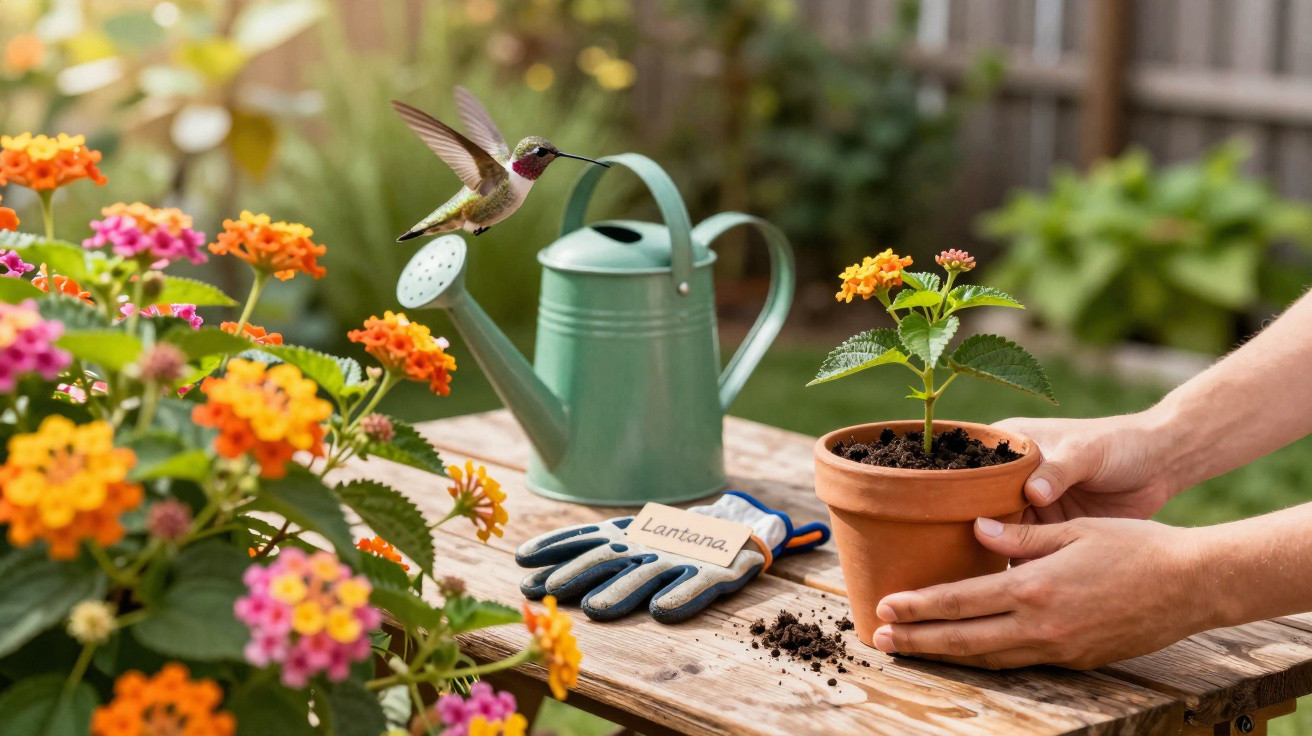
Lantana is one of those plants that seems designed for anyone seeking a colourful, lively garden that is easy to look after. Its blooms form small clusters and may alter in shade as they mature, moving through combinations of yellow, orange, red, pink, lilac and white. As well as its visual appeal, it draws hummingbirds, butterflies and other pollinators, turning pots, flower beds and balconies into places of constant activity.
Why does lantana change colour?
Lantana’s colour changes occur mainly as its flowers mature. In many varieties, newer blooms open in one shade, then become deeper in colour or shift to another one over the following days. This is why a single plant can appear to display several colours at once.
The result makes the garden feel more dynamic, as the display does not look the same for long. Even a small young plant can create a striking, high-contrast effect, particularly when it receives plenty of sunlight and grows in well-drained soil.
Why does it attract so many hummingbirds?
Lantana produces small, nectar-rich flowers arranged in clusters. For hummingbirds, these clusters provide a feeding point. Their vivid colours also help catch the attention of these birds, which commonly visit bright plants in search of energy.
Its long flowering season is another reason. When properly cared for, lantana can produce flowers for many months, providing a steady food source for pollinators. That makes it a good option for those who want a more lively garden without relying solely on artificial feeders.
How to care for lantana in the garden
Lantana thrives in direct sunlight. The more light it receives, the greater its flower production tends to be and the stronger its colours become. It can survive in overly shady spots, but it generally flowers less and develops weaker stems.
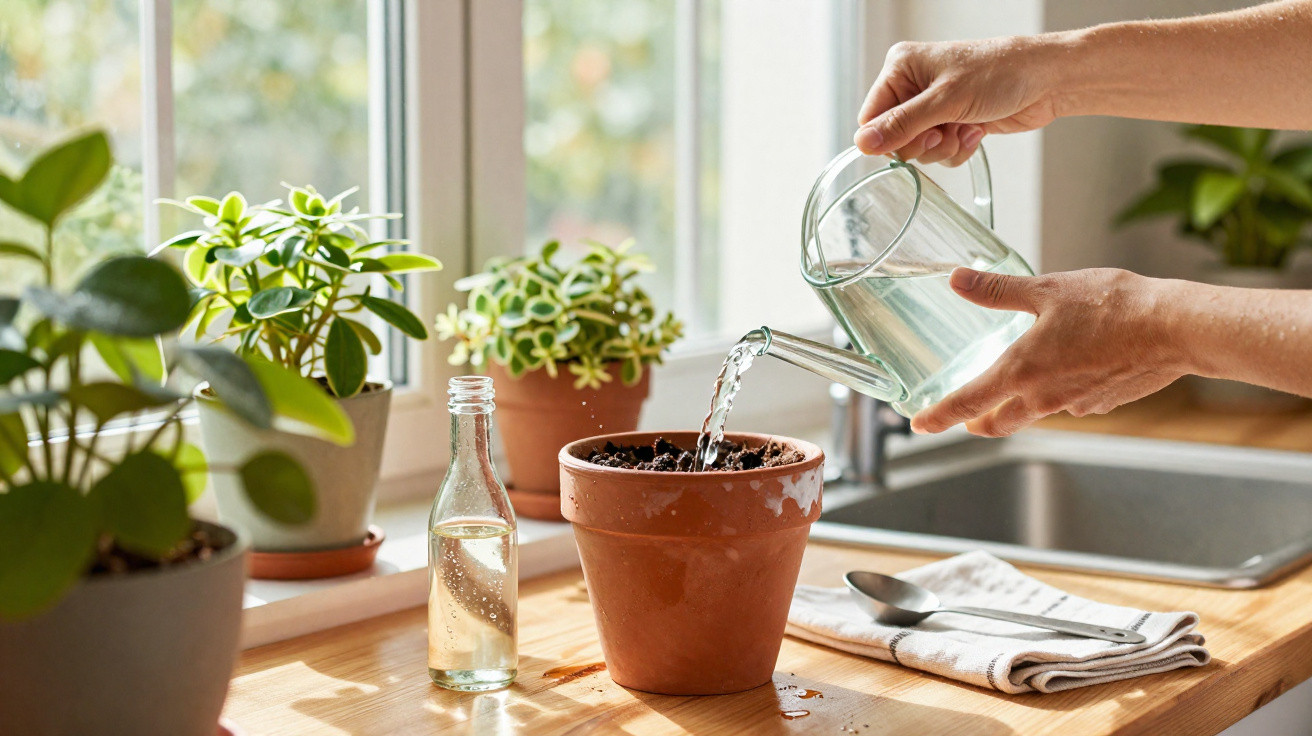
The soil must drain freely. This is a hardy plant that copes with hot periods, yet it does not tolerate waterlogged roots. When growing it in pots, make sure there are drainage holes at the base and use a light growing medium that does not hold excessive moisture.
- keep the plant in a position with plenty of sun;
- water only once the soil begins to dry out;
- avoid saucers holding standing water beneath the pot;
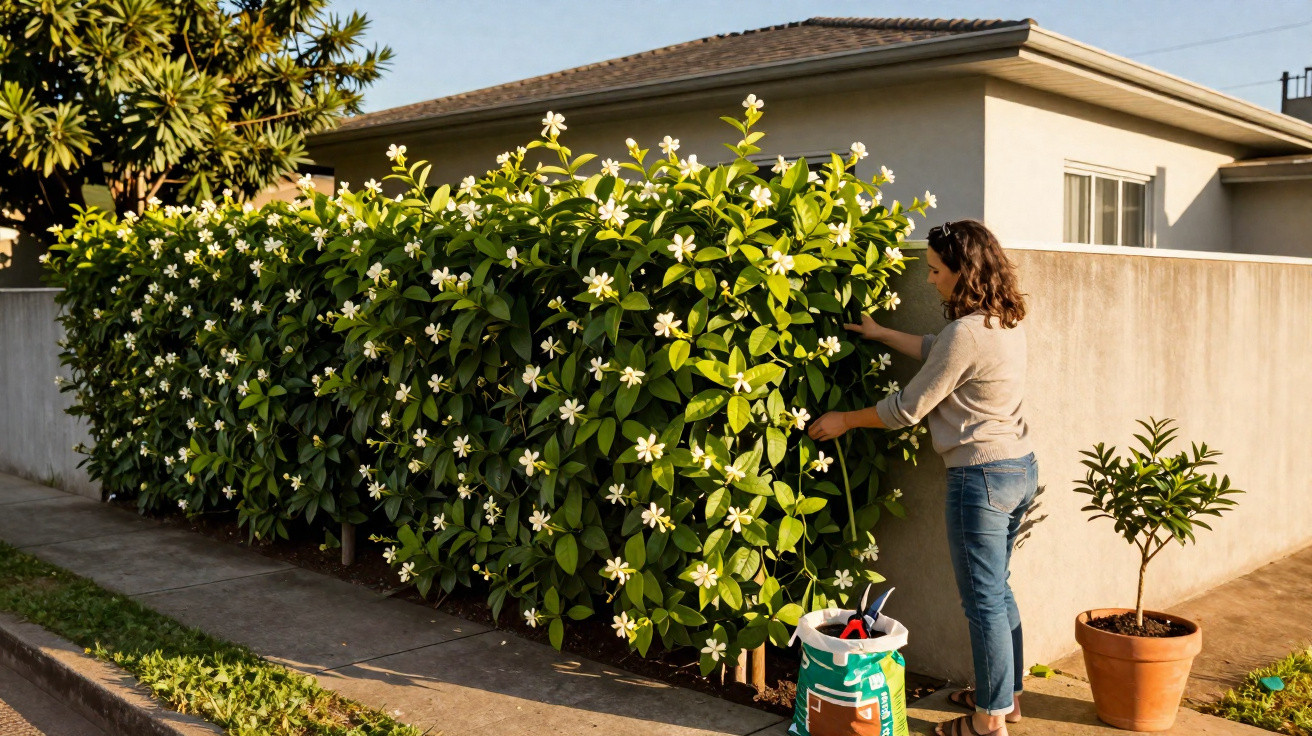
- prune lightly to manage its shape;
- remove faded flowers to encourage fresh growth.
Can lantana be grown in a pot?
Yes, lantana grows very well in pots, provided its roots have enough room and drainage is effective. On balconies and in compact spaces, it can be grown in window boxes, medium-sized pots or even as a trailing plant, depending on the variety selected.
Choose a sturdy pot, as the plant may grow considerably over time. If it begins to spread too widely, straightforward pruning will help preserve a compact shape and encourage new flowering branches.
Which additional care is important?
Although it is resilient, lantana needs attention in a few areas. In cold regions, frost can damage it. In very damp locations, too much water may encourage root diseases. Wearing gloves while pruning is also important, as handling the plant may cause skin irritation in some people.
The secret of lantana lies in its simplicity. With sun, no excess water and light pruning, it flowers vigorously, changes colour over the days and naturally attracts hummingbirds. For anyone wanting a beautiful, hardy garden full of life, it is one of the most practical and charming plants to grow.
Comments
No comments yet. Be the first to comment!
Leave a Comment