
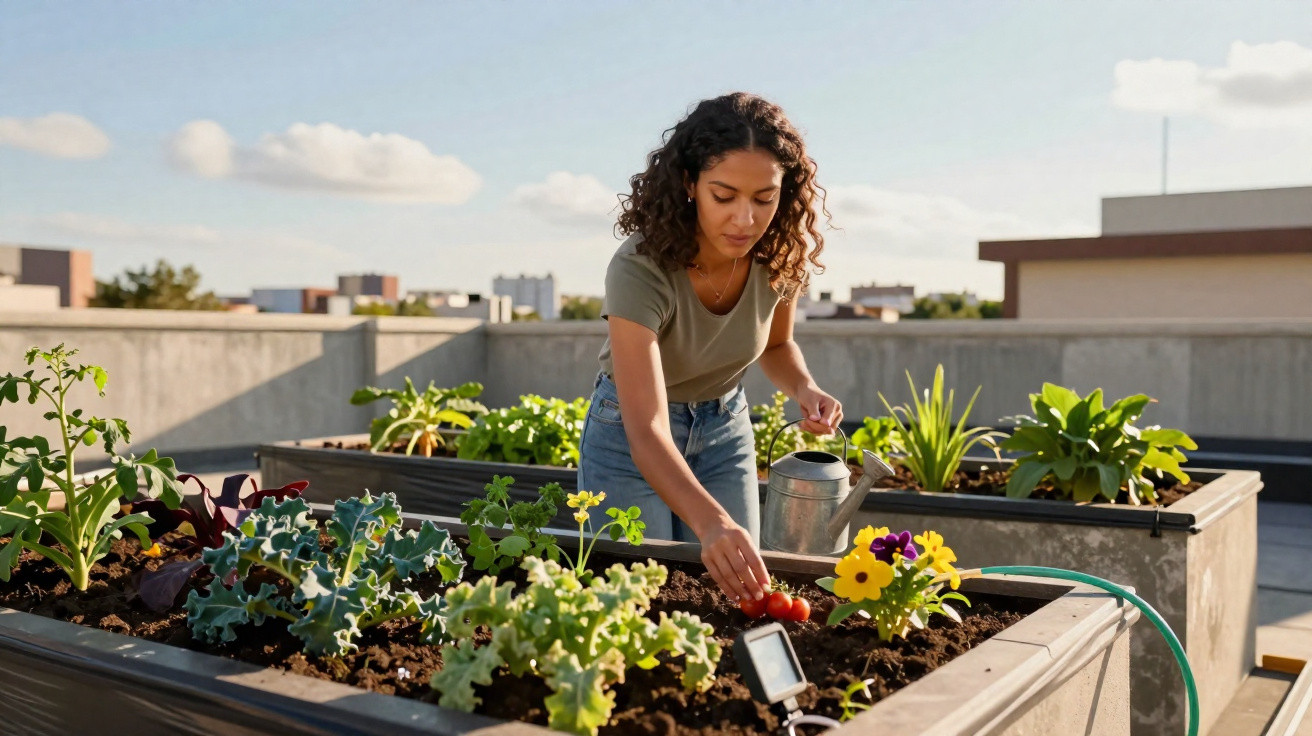
Having a welcoming space filled with nature improves quality of life in large cities. Creating a living structure on top of a building lowers indoor heat and supplies fresh food every day, turning any home into a far more healthy and sustainable place.
How can you plan a functional green roof?
Every project must begin with a careful assessment of whether the existing structure can carry the additional weight. Consulting qualified professionals to examine the building's engineering is essential, ensuring the new planted area is entirely safe and long-lasting.
Choosing suitable drainage materials is also vital to prevent excessive moisture from collecting on the surfaces. Planning access routes and movement around the plants makes regular maintenance easier, making the care routine considerably more practical and efficient.
- Plant layer: A living layer that shields the structure while enhancing the urban space.
- Rainwater: An intelligent system that captures and stores natural water resources.
- Roof garden: A domestic growing space that brings nature closer to residents' everyday lives.
What are the benefits of growing food on a roof deck?
Growing fresh leafy vegetables and herbs on top of the home provides a much richer diet. This innovative approach cuts grocery costs and creates a relaxing connection with the soil, delivering major benefits for your wellbeing and health.
Likewise, dense planting acts as a highly effective natural thermal insulator. By blocking direct sunlight, it greatly reduces the indoor temperature of every room below, creating a noticeably more cool and pleasant home environment.
In the excellent video content, the professional explains in detail how she converted an ordinary roof into a beautiful green area using wooden planters. Follow all the valuable lessons shared directly on Doma Arquitetura's YouTube channel for creative inspiration:
How does the ideal waterproofing for this project work?
Protecting the roof deck from leaks is the most critical stage of any elevated growing project. Proper application of specialised membranes forms a strong barrier against water, preventing serious seepage that could compromise the safety of your home.
Technical layers of the system
Step-by-step assembly of the living roof
First, the base is covered with a bitumen waterproofing membrane with high mechanical resistance to contain the constant moisture from irrigation. Next, a generous layer of expanded clay is added to promote rapid drainage.
Finally, Bidim-type geotextile fabric separates the clay from the nutrient-rich fertile growing medium. This precise arrangement allows roots to develop strongly without blocking the home's drainage outlets.
Once the surface's technical seal has been completed, it is time to choose the essential components that ensure effective water drainage. The detailed list below presents the fundamental items needed to create a completely efficient and durable growing base.
- Bitumen waterproofing membrane to protect the roof deck
- Medium-sized expanded clay to support drainage
- Filtering geotextile membrane to separate the soil
- Lightweight growing medium enriched with organic matter
Which plants perform best in full sun on a roof?
An elevated setting receives intense solar radiation for most of the day, so it requires plant species with excellent climate resistance. Selecting suitable vegetable garden varieties supports healthy plant growth, filling the upper space with greater vigour and beauty.
Aromatic herbs and hardy vegetables are ideal choices because they thrive in extreme heat without wilting. The best edible crops for your raised bed are clearly set out in the points below for successful growing.
- Italian basil for fresh, fragrant sauces
- Hardy rosemary that withstands long hours of sunshine
- Cherry tomatoes that produce abundant fruit at height
- Spring onions that are easy to manage and harvest daily
How can you keep the roof garden productive all year round?
Regular watering is the key to the longevity of any planting installed on elevated urban roofs. Using modern automatic drip-irrigation systems supplies the right amount of water, keeping the growing medium consistently moist, nutritious and healthy.
Finally, replenishing organic fertilisers regularly strengthens plants against seasonal urban pests. Spending a few minutes each week pruning dry leaves ensures your suspended garden remains continually renewed, producing abundance in a sustainable and beautiful way.


Comments
No comments yet. Be the first to comment!
Leave a Comment