
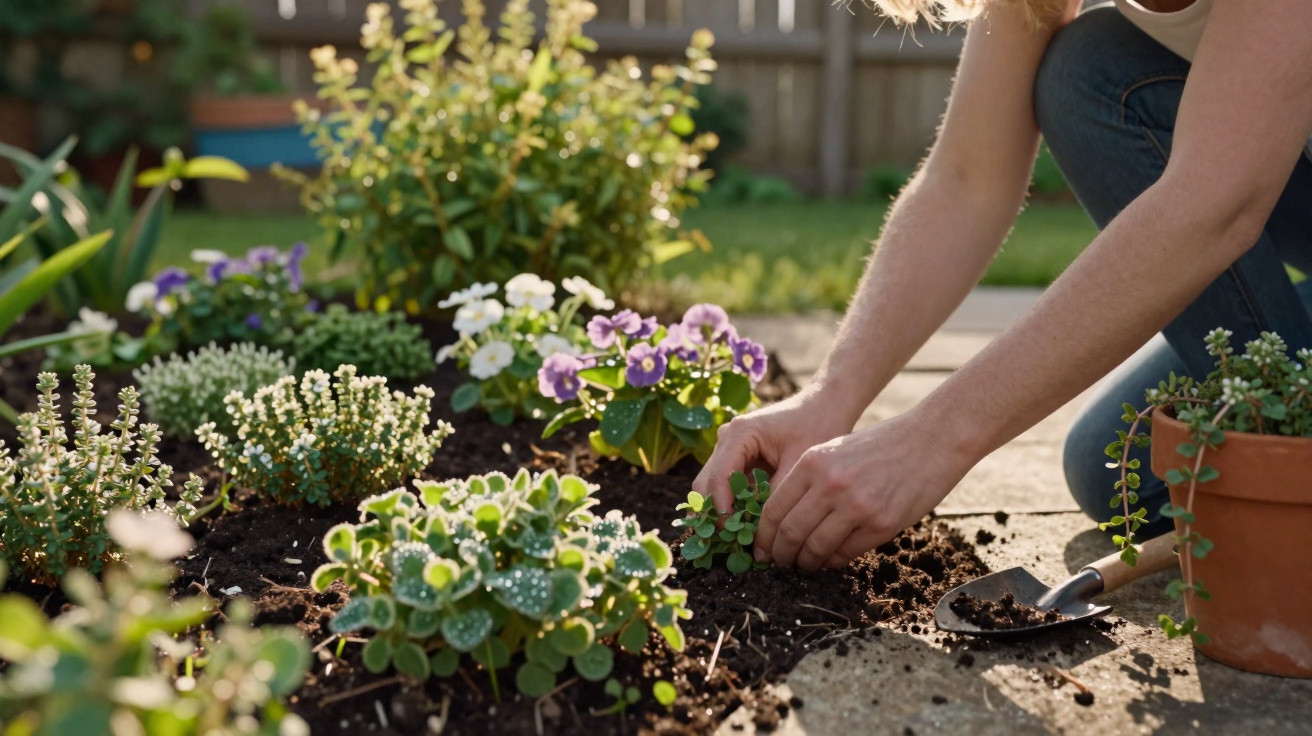
Anyone hoping for a lush-looking garden does not necessarily need to add more shrubs or large flowering plants. Ground cover plants, also called carpeting plants or living mulches, fill bare patches, limit weed growth, help the soil retain moisture and give borders a fuller, more balanced appearance. Chosen to suit the available light and soil type, they need little upkeep and can dramatically change the landscaping.
Why do ground cover plants make such a difference in the garden?
As well as their decorative value, these species act as a living layer over the ground. Their foliage shields the soil from direct sunlight, reduces water evaporation and makes it harder for invasive plants to establish themselves.
They also help prevent erosion. On sloping ground or in areas exposed to heavy rainfall, their roots assist in holding the soil in place, making the garden more robust and easier to care for.
Which ground cover plants are good choices?
There are suitable species for almost every kind of garden, from sunny spots to areas beneath trees.
The key is to match the plant to the conditions of the site, allowing it to gradually create an even green carpet.
- Creeping thyme
- Creeping phlox
- Creeping sedum
- Periwinkle
- Ajuga (creeping bugle)
- Hardy geranium
- Lamb's ear
- Creeping bellflower
- Ornamental strawberry or strawberry plant used as ground cover
How should you plant them for a fuller effect?
The final appearance is determined by the spacing between plants. When they are set too far apart, bare soil will remain visible for a long period. By following the recommended planting density for each species, however, they will quickly fill the gaps and produce a uniform carpet.
Before planting, it is worth improving the soil with organic matter, removing weeds and watering regularly for the first few weeks, until the roots are firmly established.
- Select species that suit the amount of sunlight available.
- Prepare the soil before planting.
- Follow the recommended spacing.
- Water frequently during the first few weeks.
- Remove weeds while the plants are growing.
- Prune lightly when needed.
Are ground cover plants worth investing in?
For anyone seeking an attractive garden with less work, ground cover plants are excellent allies. In addition to covering empty areas, they reduce the need for frequent weeding, help the soil hold onto moisture and create a far more natural-looking finish.
When species are selected to match the climate and site conditions, the garden becomes more balanced and requires less maintenance throughout the year.

Comments
No comments yet. Be the first to comment!
Leave a Comment