
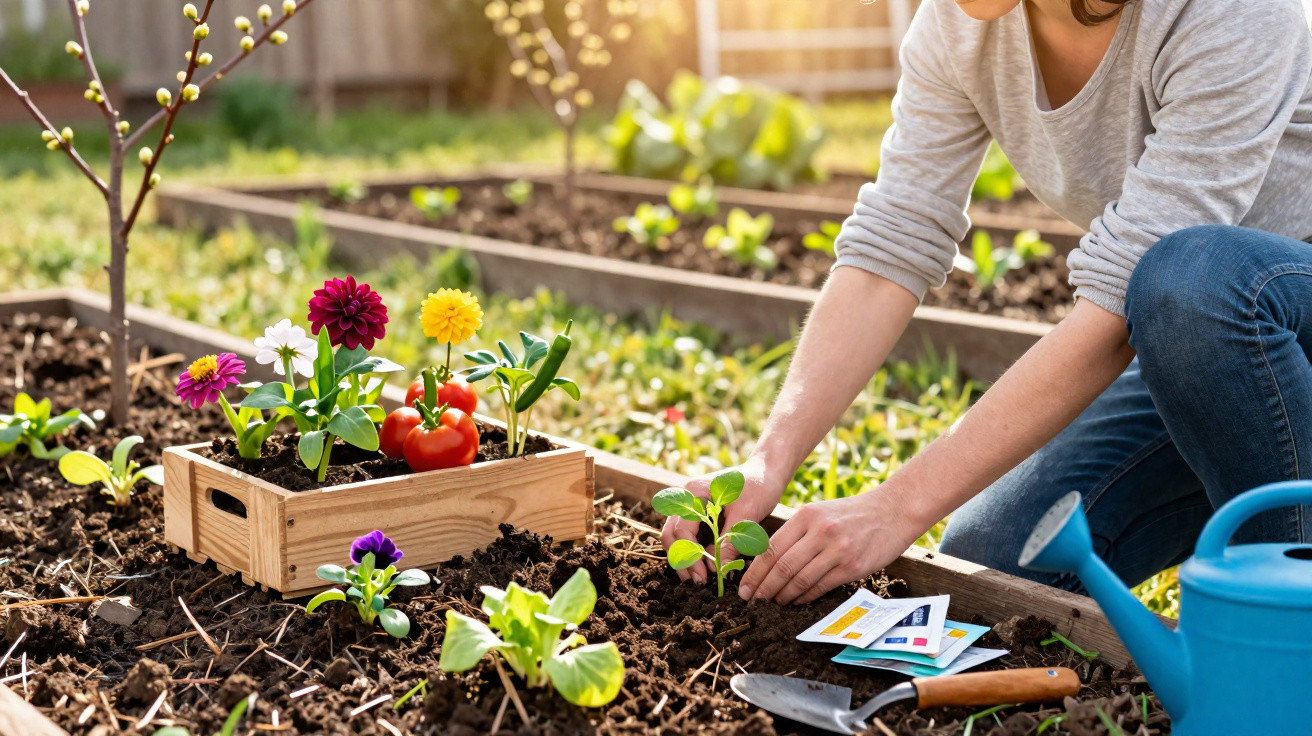
The days are getting longer and the ground is thawing – anyone who gets started now gains months of head start towards abundant flowers and productive beds.
March is a genuine fresh beginning in the gardening calendar. Sunshine appears more often, the soil starts to warm up, and keen gardeners are eager to get going. By planting and sowing wisely now, you create the basis for colourful flower beds, flavoursome vegetables and generous fruit harvests in summer and autumn.
Why March is such an important month for planting
During March, beds, shrubs and perennials emerge from their winter dormancy. Temperatures gradually rise, while the likelihood of severe, prolonged frost noticeably declines. These conditions suit gardeners perfectly: seeds germinate more reliably, young plants establish themselves more quickly, and the growing season is effectively extended.
“When you plant and sow in March, you do not delay the harvest – you bring it forward.”
Checking the soil is crucial. It is generally the right time when you can crumble it easily without it turning into soaking wet mud. Seeds can quickly rot in overly wet ground, whereas cold soil makes them germinate very slowly.
Early flowers and cut flowers for the ideal summer bouquet
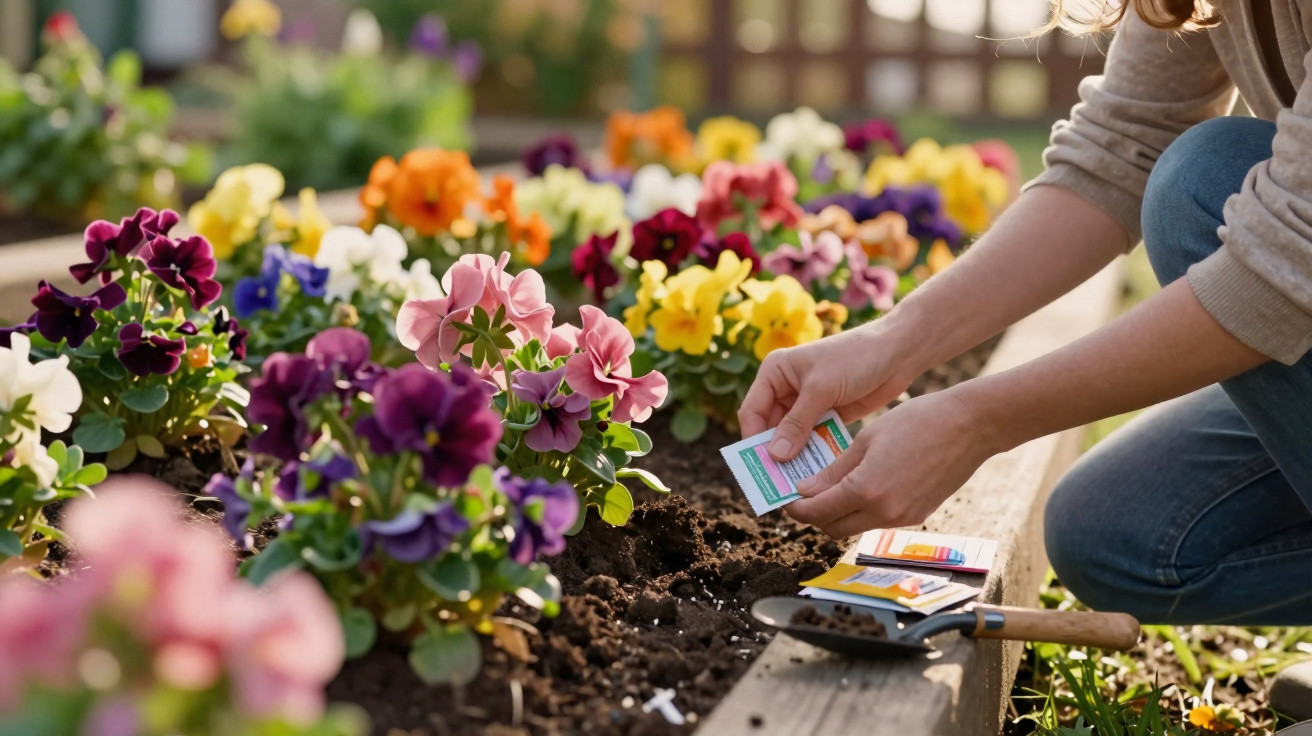
Many flowers that fill beds with colour in June and July need to be started in March. Planning window boxes and borders early means you can later pick flowers for a vase instead of buying expensive supermarket bouquets.
Popular flowers to sow or plant in March
For a vibrant mix in the border, consider:
- Pot marigolds – hardy, easy to care for and excellent for filling gaps in beds
- Pansies – classic spring flowers that also suit window boxes
- Cornflowers – ideal for natural-style gardens and popular with bees
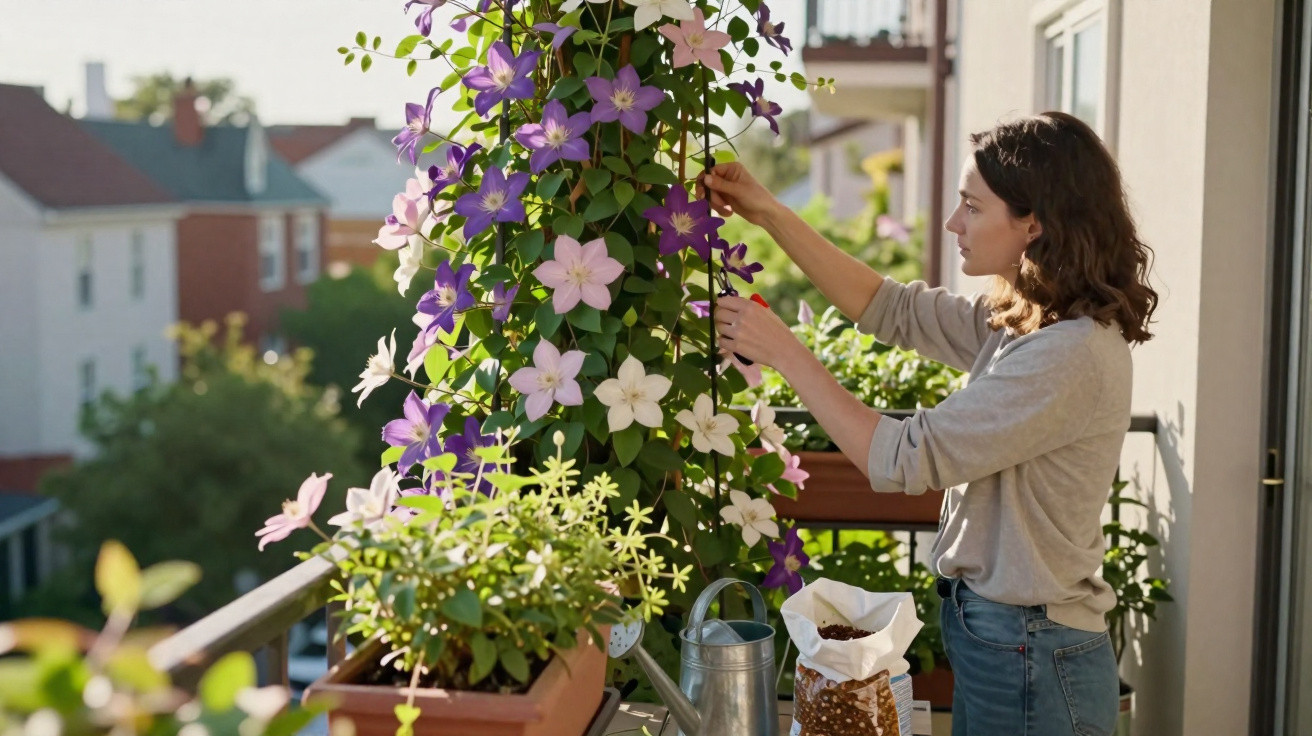
- Sweet peas – usually planted as young plants, producing wonderfully scented cut flowers
You can sow many of these flowers straight into the bed as soon as the ground has thawed. Sweet peas do especially well when started indoors, either in pots on a windowsill or in a cold frame. Once the plants are 10–15 centimetres tall and nights are largely frost-free, they can be moved outside.
How to sow cut flowers successfully
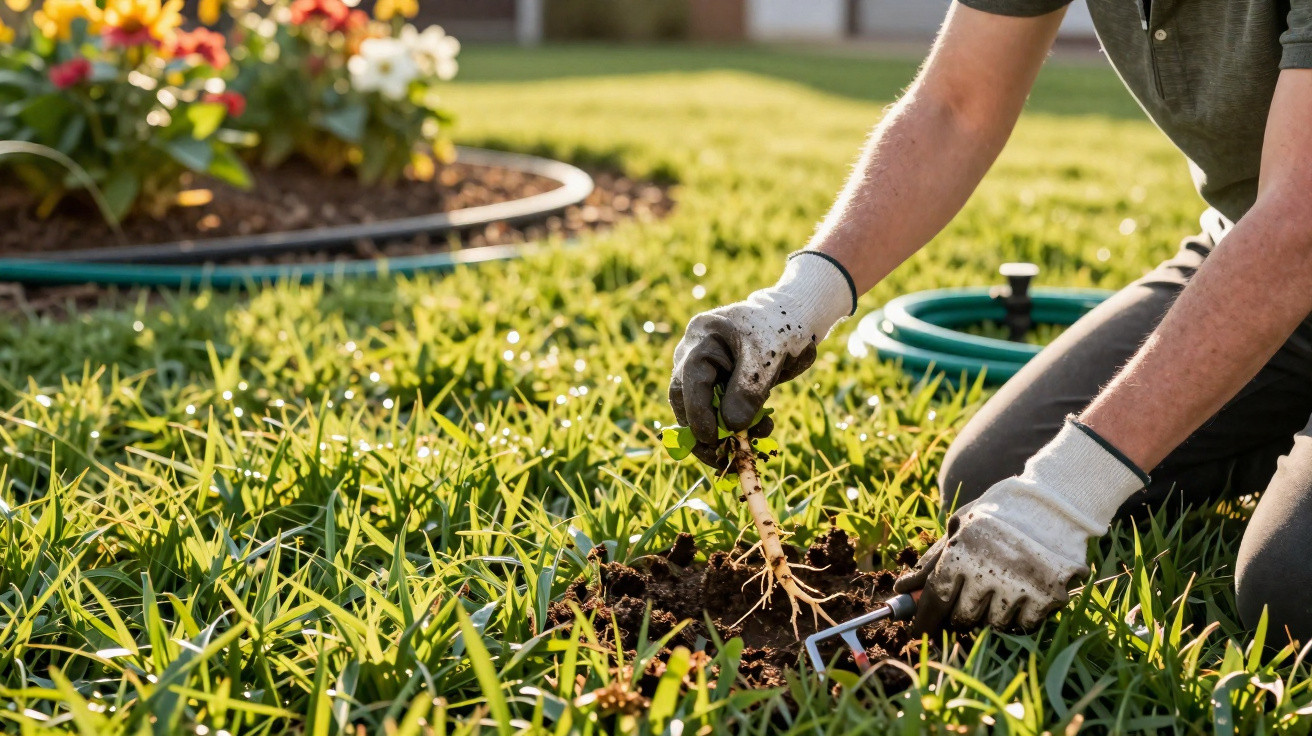
- Loosen the bed and remove stones and thick roots.
- Make shallow drills and scatter the seeds thinly.
- Cover only lightly with soil, firm gently and water carefully.
- Label the rows so that you know what is growing where later on.
“The looser and more stone-free the soil, the straighter and stronger the stems will grow – perfect for a vase.”
Summer-flowering shrubs and bulb plants
If you want more than flowering beds in summer and would also like blooming shrubs in the garden, use March to make new plantings. They will then have several months to develop roots before the main summer heat arrives.
Suitable plants for spring planting
Typical choices that can go into the ground in spring include:
- Weigela – flowers profusely and is popular for informal hedging
- Lilies – grown from bulbs, with striking blooms in summer
- Tuberous begonias – suited to containers and partially shaded spots
- California lilac – produces a blue display of flowers and attracts insects
- Hydrangeas – a classic choice for partially shaded corners
- Rhododendrons – prefer acidic soil and consistently moist conditions
All of these plants benefit from fresh, free-draining soil. Waterlogging soon causes root rot, so on heavy ground it is worth adding a drainage layer of grit or coarse sand.
“Plant shrubs in March in moist but well-drained soil – this allows them to build a strong root system by summer.”
Vegetables you can sow directly outdoors in March
Many tough vegetable crops can be started outside straight away. Weed growth is an important indicator: when wild plants begin visibly sprouting, the soil is warm enough for the first sowings.
Robust vegetables for spring sowing
Vegetables that can typically be sown outdoors in March include:
- Brassicas such as white cabbage, broccoli, cauliflower and kale
- Lamb’s lettuce and land cress
- Peas and broad beans
- Onions, from seed or sets
- Parsnips and swedes or turnips
A properly prepared bed is essential: loosen it deeply, clear out perennial weed roots and make the surface as level as possible. Keep to the recommended spacing between rows to make later weeding and hoeing easier.
Caring for fruit bushes and trees in March
Fruit plants need a final touch-up in March before their buds open:
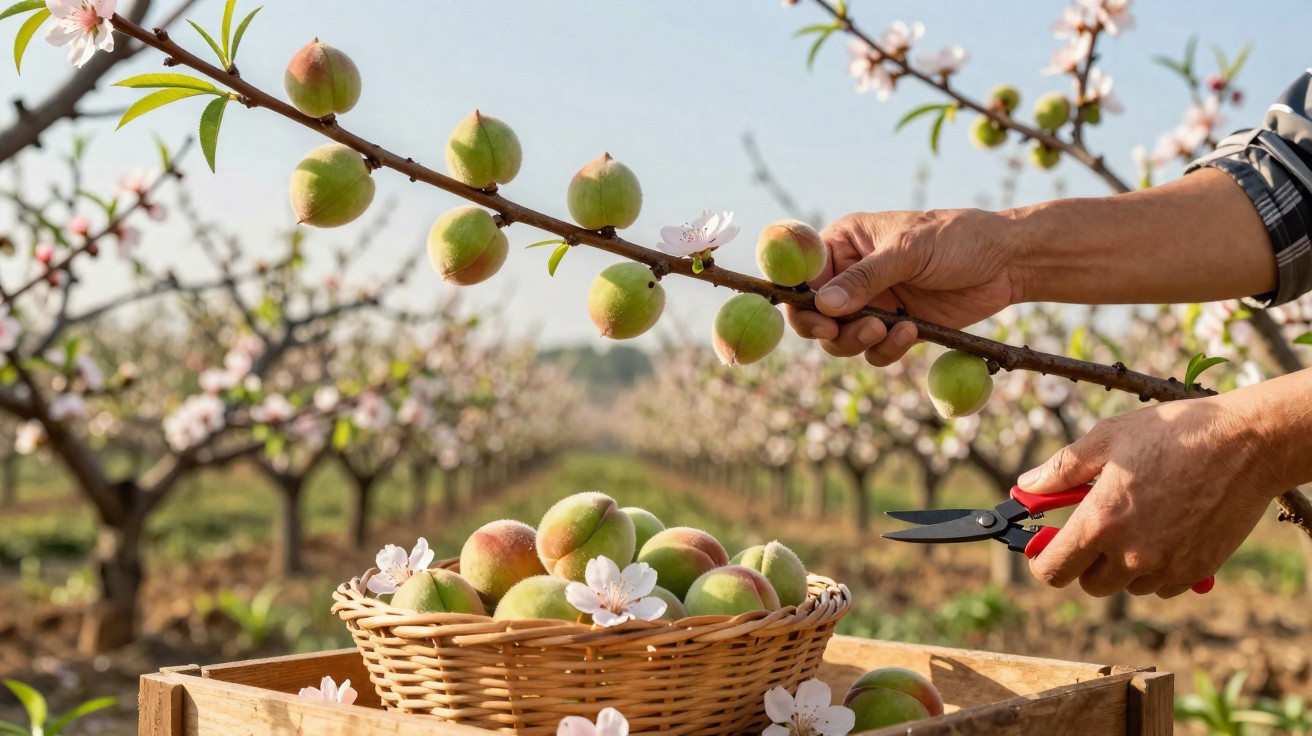
- Apple and pear trees receive their final winter prune.
- New currant, gooseberry and raspberry bushes can now be planted from pots.
- Water thoroughly after planting and apply a mulch layer to stop the ground from drying out.
“For apple and pear trees, March is often the final opportunity to use secateurs and a pruning saw on the canopy before the buds break.”
Lettuce, tomatoes and chilli: an early start with flavour
Anyone hoping for colourful salad bowls and home-grown tomatoes in summer should sow their first seeds in March.
Lettuce and leafy vegetables
From mid to late March, depending on the region, you can begin growing these crops:
- Cos lettuce and loose-leaf lettuce
- Spinach
- Mustard greens
- Lamb’s lettuce for a late harvest
Combining direct sowing in the bed with raising plants in trays or module trays is recommended. This gives you a regular supply of young plants later in the season to fill gaps in the bed.
Heat-lovers: chilli and tomatoes
Chilli plants and tomatoes need a long growing period. Their seeds should therefore be sown early, but under cover indoors or in a greenhouse.
| Plant | Sowing in March | Planting outdoors |
|---|---|---|
| Tomatoes | In seed trays on a bright, warm windowsill | After the last frosts, once night frost is no longer expected |
| Chilli / peppers | Sow early in warmth, ideally using an indoor propagator | In a sheltered position, for example in a container against a house wall |
“Anyone sowing tomatoes and chilli in March will harvest significantly more in high summer – the plants remain productive for longer.”
Gardening in a changing climate: managing heat and heavy rain
Springs are tending to become warmer, and some plants are coming into growth earlier. At the same time, heavy rainfall and dry spells are becoming more frequent. You can gradually adapt your garden to these conditions.
Making better use of water in the garden
- Collect rainwater in water butts or cisterns.
- Mulch beds, for example with grass clippings, leaves or bark chippings, to reduce evaporation.
- Create raised or gently mounded beds so that water drains more effectively.
- Where heavy rain is likely, allow for small infiltration areas or shallow dips.
These measures keep plants supplied for longer in hot weather, while preventing water from simply washing away during heavy downpours. Young seedlings in particular are sensitive to extreme fluctuations and will benefit from any protection, whether fleece, mulch or a simple polytunnel cover.
Think about April and the autumn harvest as early as March
A little forward planning spreads the work over several weeks. Planting many heat-loving crops becomes the priority in April, but March is already the time to complete initial jobs: mark out bed areas, spread compost, and clean pots and seed trays.
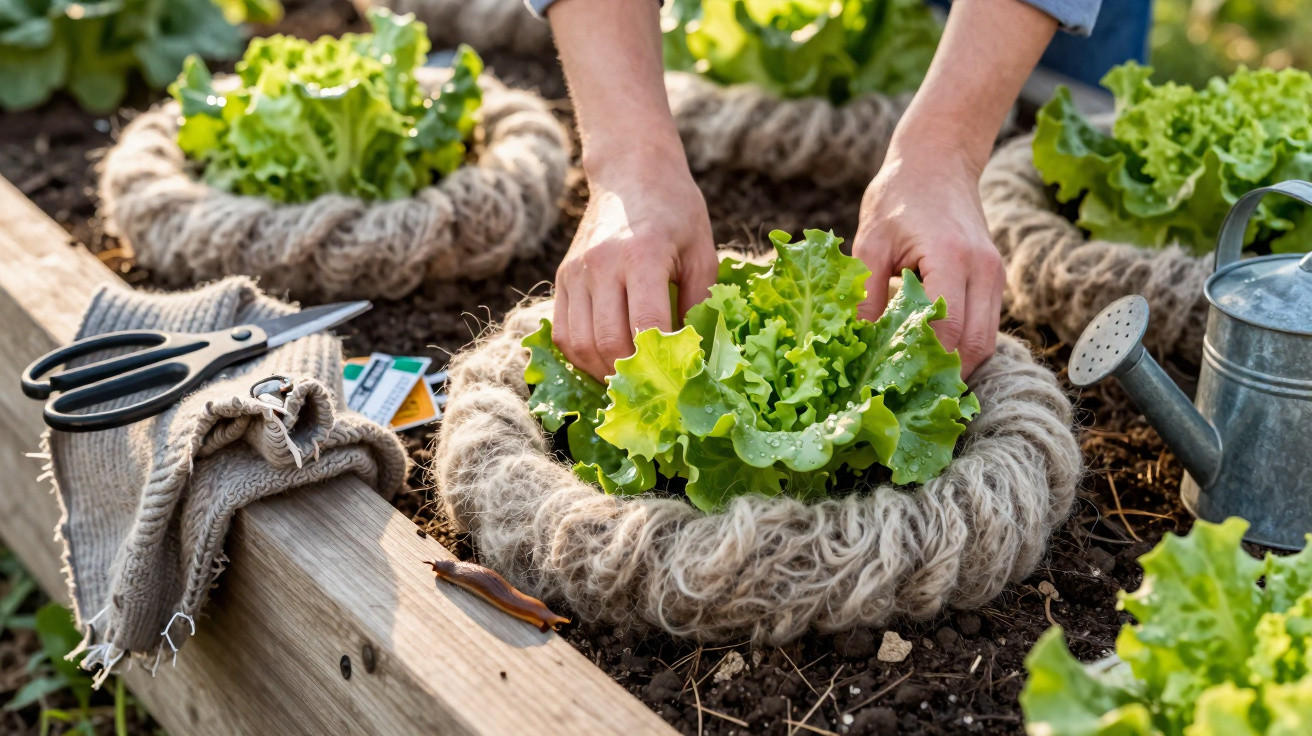
Keep crops for later harvests in mind as well. Sunflowers, pumpkins and courgettes begin their journey in April in many gardens, but March is ideal for planning their space and crop rotation. The same applies to strawberries: placing them in raised beds or hanging baskets can significantly reduce slug damage. Special materials such as “Slug Wool” and other barriers often keep these crawling pests away effectively.
For beginners, a simple notebook or app can be useful as a garden diary. Record what you sowed and planted in March, which varieties germinated well, and which areas of the garden performed best. You will benefit from these notes next year – and March will change from a “chaotic start” into a perfectly timed opening to the new gardening season.
Comments
No comments yet. Be the first to comment!
Leave a Comment