
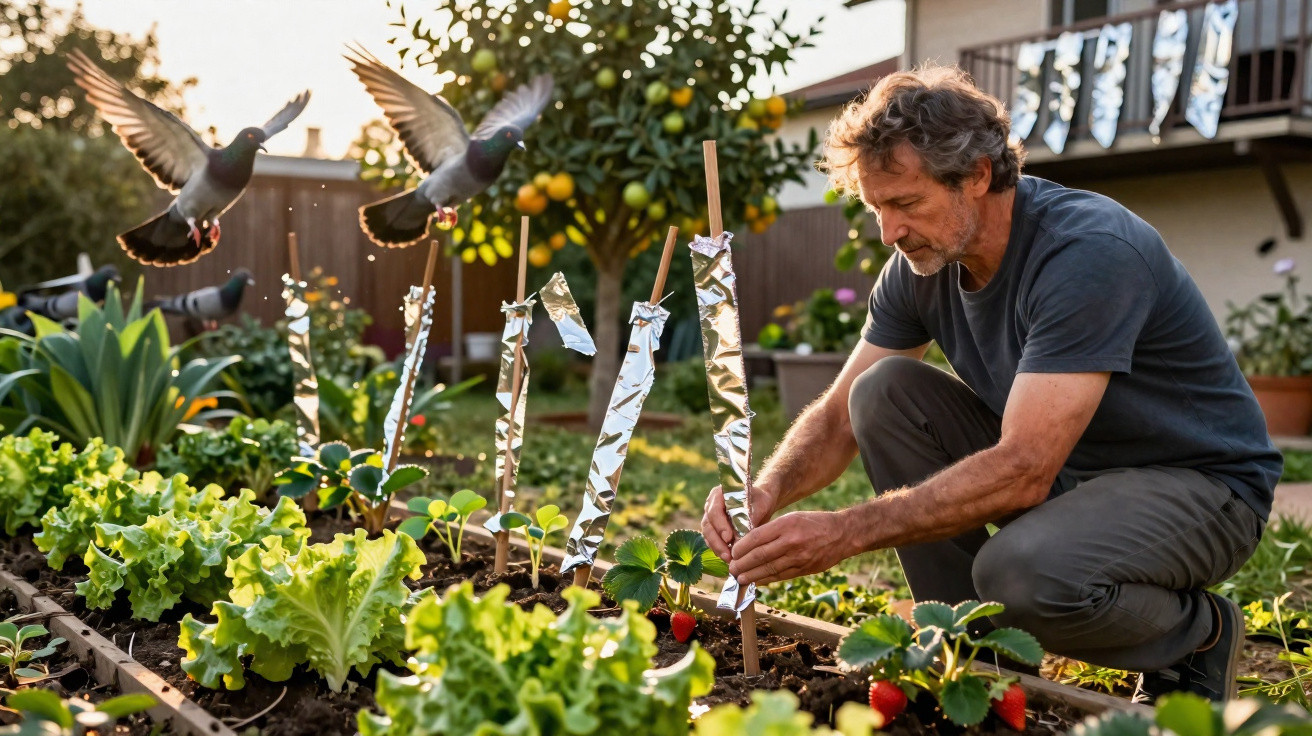
With the first mild days, unwelcome regular visitors arrive in many gardens: pigeons. They trample through beds, peck at seedlings and leave corrosive marks on furniture and railings. Garden experts are now recommending a surprisingly straightforward deterrent that almost everyone has at home: ordinary aluminium foil.
Pigeon problems in spring: why they are landing throughout the garden now
As spring begins, pigeons have several priorities at once. They are searching for food for their young, safe places to land and quiet spots to rest. Gardens, balconies and roof terraces offer all of these in abundance – from a bird’s perspective, they are a convenient all-inclusive buffet.
Common pigeon hotspots around the home include:
- window sills and balcony railings
- terrace balustrades, pergolas and canopies
- raised-bed edges and wall tops
- bed borders containing lettuce, young vegetables or strawberries
- quiet corners with garden benches or decorative features
As creatures of habit, pigeons repeatedly return to the same areas. If gardeners allow this to continue, remarkably large amounts of droppings can quickly build up there.
Pigeon droppings are highly acidic, damage paintwork, wood and metal, and can attract further pests such as rats.
This is particularly a hygiene concern on terraces, children’s play areas and outdoor dining spaces. Even so, many people do not want to use poison or sharp deterrent spikes – and that is precisely where the aluminium foil method comes in.
How aluminium foil deters pigeons without harming them
In the garden, aluminium foil works in two ways: through light reflections in the air and through an unpleasant sensation beneath birds’ feet and against their beaks. Together, these create surroundings that pigeons simply prefer to avoid.
Dazzling effects in flight: flashes of light deter birds
Garden professionals suggest first shaping the foil into simple balls and suspending them from string. Position the balls wherever pigeons regularly land or fly past, such as on pergolas, beneath roof overhangs, on railings or in fruit trees.
When sunlight hits the crumpled surface, the foil reflects it unevenly. This creates sudden, brief flashes and movement that unsettle pigeons. To them, it can appear unpredictable or like a potential threat. Many birds change direction while still in flight, before they have the chance to land.
Moving, shiny objects have long been regarded as a traditional bird-scaring method in pest control – aluminium foil creates this effect with little effort.
An unpleasant surface: pigeons dislike it underfoot
The second approach focuses on the places where birds feed. Experts recommend laying narrow strips or sheets of aluminium foil around particularly vulnerable plants, or placing it just below the soil surface.
When a pigeon’s beak touches the rough, cool metal while pecking, many birds instinctively pull back. They also dislike walking on the crumpled, smooth material. To people, it is just a thin strip, but to a pigeon it feels like an unpleasant ground covering it wants to avoid.
Where aluminium foil is most useful in the garden
For this method to work, gardeners should first observe the area systematically: Where do pigeons land? Where do they remain for longer? Where are most droppings found? These are the places that need particular attention.
Protect vegetable beds, lettuce and young seedlings
Vegetables with soft leaves are high on pigeons’ menu. Particularly vulnerable crops include:
- lettuce and young cabbage plants
- spinach, chard and other leafy vegetables
- newly planted tomato and pepper plants
- young herbs such as basil or parsley
In these areas, you can, for example:
- secure narrow strips of foil along the bed edge so they flutter in the wind;
- place small aluminium balls on sticks and position them between plants;
- work short pieces of foil a few centimetres into the soil around plants that are especially at risk.
It is important to fix the foil securely so that it cannot blow away or pose an injury risk to children or pets.
Keep pigeons away from strawberries and fruit trees
Ripening strawberries and soft fruit, including cherries and plums, also attract pigeons. Different placements work well in these locations:
- hang shiny strips or balls directly in the tree canopy
- let aluminium strips move gently in the breeze from stakes above strawberry beds
- stretch small reflective garlands around the edges of raised beds containing soft fruit
This creates a visual protective screen around the sought-after fruit, making birds less willing to land.
Make balconies, terraces and window sills less appealing
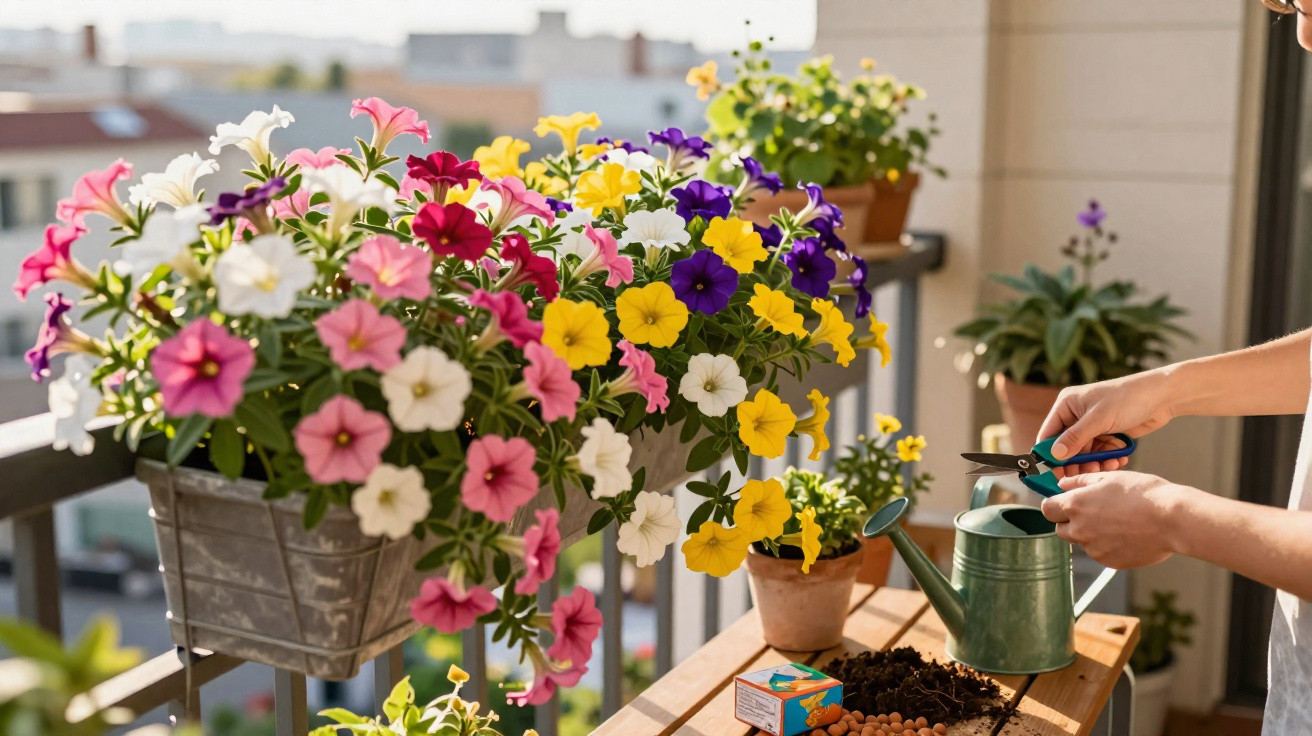
Balconies and window sills are especially significant in urban areas. Anyone who regularly has to clean away droppings can take action with minimal effort:
- suspend small aluminium balls from thin strings on the balcony railing
- attach short foil strips behind window boxes, where they can move slightly in a draught
- temporarily lay a layer of foil on especially favoured perching spots, such as the upper window sill
After several unsuccessful attempts to land, many pigeons give up and look for somewhere more comfortable.
Everyday tips for keeping the garden less attractive to pigeons
Aluminium foil is only one part of the solution. Its effect can be strengthened by following a few basic principles:
- Do not provide food sources: Minimise food scraps, uncovered bins and spilled bird feed.
- Avoid creating shelter: Dense shelving, exposed roof beams and untidy corners provide pigeons with ideal resting places.
- Change the signals: Move foil strips and balls from time to time so birds do not become accustomed to them.
- Keep areas clean: Remove droppings promptly to prevent permanent favoured spots becoming established.
Disrupting established habits while creating an unpleasant environment is usually more effective than relying on one method alone.
How environmentally friendly is aluminium foil in the garden?
Aluminium foil is often criticised because its production uses a great deal of energy. In the garden, this means it should be used sparingly and thoughtfully. If it has not completely torn, foil can be reused for several seasons. At the end of the season, it belongs in recycling, not on the compost heap.
Compared with chemical deterrents or sticky traps, however, this method remains relatively gentle: birds are not injured, no poison enters the soil, and the foil works only where it can be seen or felt.
When the aluminium foil trick reaches its limits – and what can help instead
In some areas, pigeons are so accustomed to people that reflections barely affect them. In such cases, the method may be less effective. It can help to combine aluminium foil with other harmless measures:
- stretch netting over particularly valuable beds or fruit bushes
- remove appealing perches or make them unsuitable for landing
- use targeted planting of less attractive varieties around border areas
People living in blocks of flats can achieve more if several residents act at the same time. If only one balcony remains unprotected, it may become the birds’ new main landing spot.
Ultimately, it is about finding a degree of balance: pigeons belong in towns and villages, and they should not be hunted – but they do not need to live in the middle of a vegetable bed either. With a little aluminium foil, some string and careful observation, gardeners can create a clear boundary that both sides can accept.
Comments
No comments yet. Be the first to comment!
Leave a Comment