
Preparing daily meals calls for attention to small details that influence the final result in the kitchen. Washing food incorrectly can undermine its natural flavour and alter the texture expected once the grains have been properly cooked.
Why should you not rub rice while washing it?
Many people rub rice too vigorously when rinsing it under running water. This intense friction can damage the surface of the grains and speed up the unwanted release of surface starch before the rice reaches the hot pan.
Repeated rinsing combined with friction removes important compounds that are essential to health. Excessive loss of this outer layer can also diminish the grain's natural sweetness and reduce the valuable nutrients in the rice served with the meal.
What is the biggest mistake when washing rice that strips away its nutrients?
Rubbing the grains too firmly removes starch and affects the fluffy texture of your dish… Read more
How do gentle movements preserve the quality of rice grains?
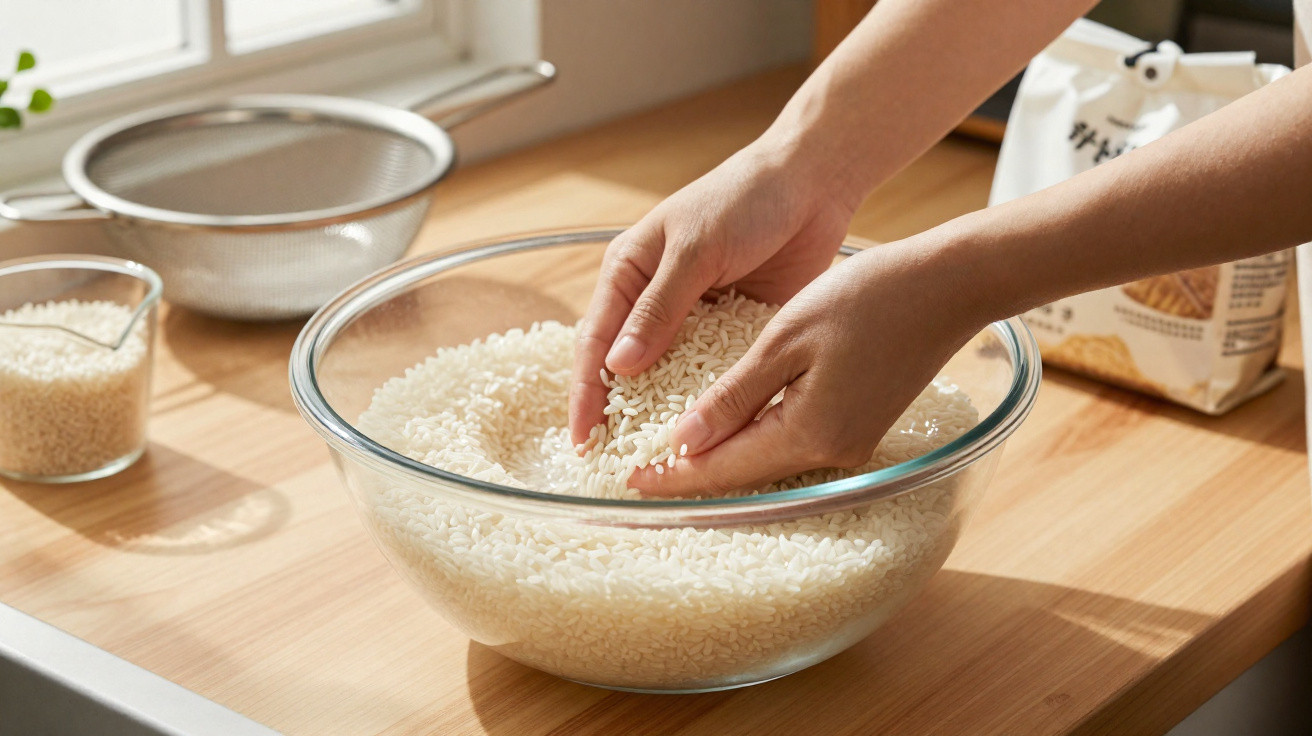
To wash food correctly, the best approach is to make light, circular movements with your hands in the water. This care helps prevent grains from breaking during handling, so each one remains completely intact.
Another method widely recommended by specialists is to use a flexible whisk to move the water without pressing on the rice. This removes dirt effectively while retaining the soft consistency needed for an excellent result.
Below is a video from the Sushi com Tavets YouTube channel that explores the points discussed in this topic in greater depth:
Which items help you wash rice efficiently?
Using suitable utensils makes the kitchen routine much easier and helps prevent unwanted waste in the bowl. Proper bowls help keep the water clean without requiring any force to be applied to the food while it is being washed.
When you choose colanders with fine holes, rinsing becomes quicker while the internal structure is protected. Together, these tools create a straightforward process that preserves the product's softness and ensures perfect preparation for eating.
Essential rice-washing kit
Indispensable accessories
Here are three fundamental items for washing grains gently:
- A deep bowl that allows the water to be moved gently;
- A lightweight wire whisk for mixing without breaking the grains;
- A fine-mesh colander for draining the liquid easily.
What care prevents rice from losing its ideal texture?
The temperature of the water used affects nutrient retention during a quick wash. Ideally, use water at room temperature to protect each grain from thermal shock, preserving the integrity of its surface before final cooking.
There is no need to wash the food until the water runs completely clear and transparent. Repeating the process too many times removes important substances that provide a soft consistency and can harm the expected result on the finished plate.
Below are a few practical recommendations for maintaining the food's quality during daily rinsing:
- Use water at room temperature to prevent temperature-related changes to the grains;
- Change the water quickly without rubbing the surface of the food;
- Replace vigorous rinsing with gentle, continuous movement.
How does careful rinsing improve the finished dish?
When the washing process is carried out gently, the grains retain their original shape and cook evenly. This ensures an appealing appearance when serving the recipe and maintains a texture that is pleasant for the family to eat.
Small changes to everyday cooking habits can improve the quality of meals made at home each day. By adopting this gentle method, you ensure maximum flavour in your dishes and make the most of every ingredient used in the kitchen.



Comments
No comments yet. Be the first to comment!
Leave a Comment