
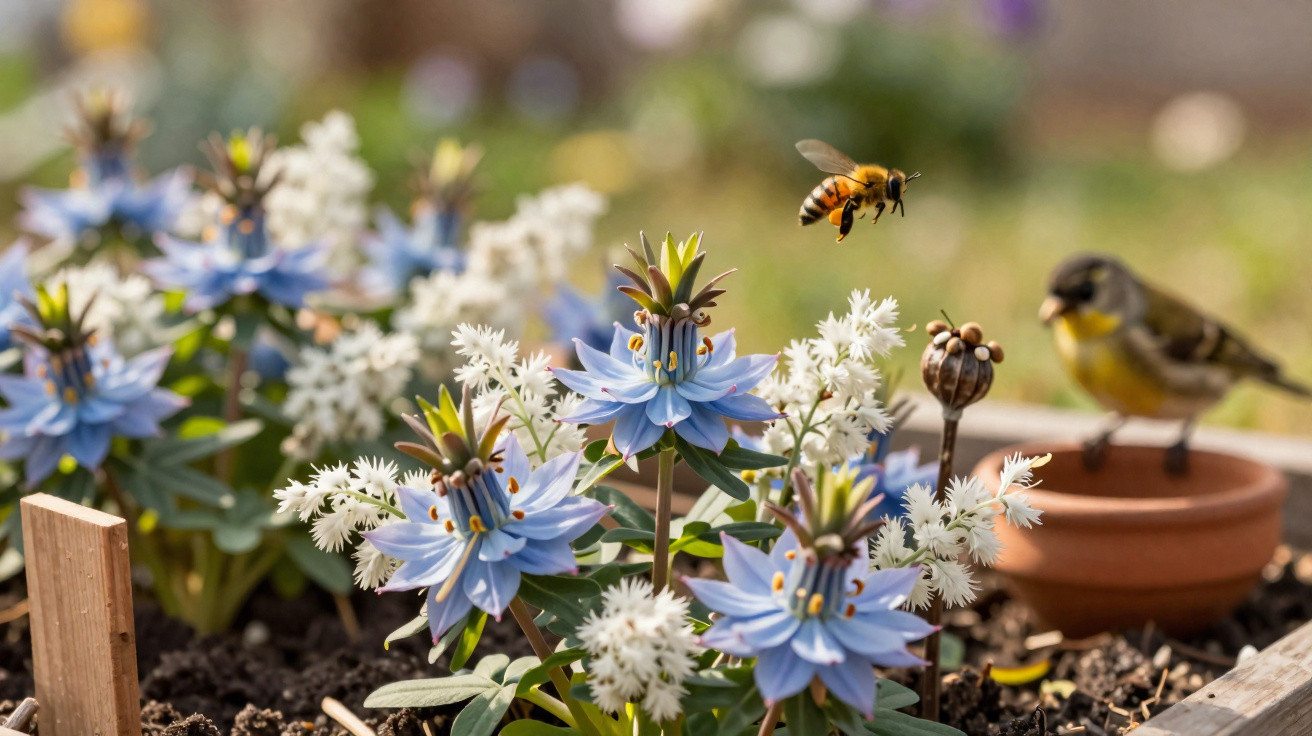
A modest seed, sown in March, can turn a garden or balcony into a vibrant haven of colour, birds and buzzing insects.
Many amateur gardeners buy costly plants or fertiliser in spring to refresh their outdoor space. Yet one simple, almost forgotten flower is often enough to enhance borders, raised beds and containers alike – without chemicals and while benefiting bees, butterflies and songbirds. A traditional cottage-garden favourite is now making a quiet return: Nigella damascena, better known as love-in-a-mist.
Love-in-a-mist: airy elegance instead of a sterile-looking garden
Sowing this annual flower from a packet in March brings an impressively adaptable helper into the garden. Love-in-a-mist may look delicate, but it is hardy and suits almost any style, from wildlife gardens to urban balconies.
Fine foliage, pastel flowers – and an instantly lighter border
Love-in-a-mist is most recognisable for its delicate, thread-like foliage. Resembling fine lace, it surrounds each bloom like a soft veil. Planted among other perennials, it forms an airy cushion that softens harsh lines and elegantly fills bare gaps.
Its star-shaped flowers open in gentle shades of sky blue, soft pink, pure white and pale violet. These pastel tones catch the spring light beautifully, bringing brightness even to shaded or previously dull corners.
“Anyone wanting to give their garden more romance and lightness quickly in spring will make an excellent choice with love-in-a-mist.”
Early, long-lasting flowers with very little effort
Seeds sown in March can produce their first flowers from May or June, depending on the region. The plants establish quickly, cover empty patches in borders and fit perfectly between fruit bushes, roses and perennials.
Once it is in a suitable position, love-in-a-mist needs remarkably little attention. Water it a little shortly after sowing; later, periods of rain will often be sufficient. There is no need for intensive feeding or continual pruning – ideal for anyone who wants an attractive garden without spending every weekend weeding.
March planting position: sun, loose soil and no “wet feet”
A quick look at this flower’s needs will help it perform at its best. The good news is that it tolerates mistakes well, provided one condition is met: the soil must not remain wet for long periods.
The best position for strong spring growth
- Light: A spot in full sun or very bright light, preferably with some air movement.
- Soil: Loose, relatively lean soil with good drainage.
- Waterlogging: Avoid it completely, as the roots can rot.
- Where to grow it: Borders, wildlife gardens, along the edges of vegetable beds and in large containers.
Love-in-a-mist can also be grown in heavy clay soil if the ground is loosened with sand or fine grit before sowing. The essential point is that rainwater can drain away after a shower rather than sitting in the bed for days.
Direct sowing in March: scatter rather than prick out
The plant develops a long taproot and does not respond well to disturbance. Direct sowing is therefore especially suitable. Follow these steps:
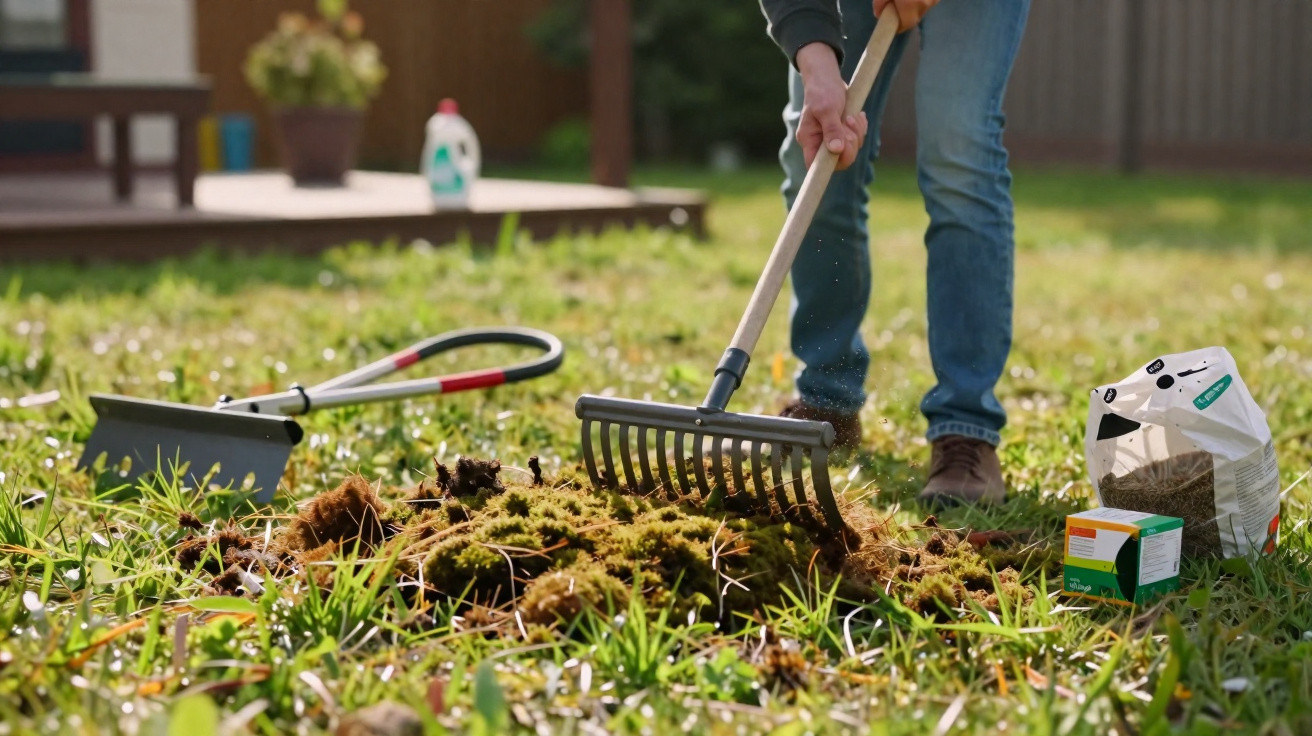
- Loosen the soil surface and remove large stones and root debris.
- Gently level the area with a rake.
- Scatter the seeds by hand fairly densely, but not as though sowing a lawn.
- Rake them in very lightly or simply press them onto the surface.
- Water gently so the seeds make contact with the soil.
You can sow in rows if preferred. However, scattering the seed by hand produces a more natural, slightly wild effect that is ideal for a cottage-garden look.
Planting young plants: for those who do not want to wait
Small love-in-a-mist plants are often available in shops during spring. They shorten the wait for flowers. When planting them, follow these points:
- Ease the rootball carefully from its pot without squeezing or tearing it.
- Dig a planting hole deep enough for the rootball to sit level with the surrounding soil.
- Refill with loose soil mixed with a little sand, then firm gently.
- Water regularly but moderately during the first few days.
In heavy soils, a small layer of sand or gravel in the planting hole can improve drainage.
Bee magnet and bird buffet: the ecological value of love-in-a-mist
Its appearance is only half the story. Love-in-a-mist is particularly valuable for garden biodiversity, supplying food in two stages: first for insects, then for birds.
Nectar-rich flowers for bees, bumblebees and butterflies
The blooms contain plenty of nectar and pollen. As temperatures rise in spring, honeybees, solitary bees, bumblebees and small butterflies reliably visit the plants.
“Where love-in-a-mist is flowering, the chances of good fruit and vegetable harvests increase because pollinators remain in the area.”
It is especially useful to sow the flower in or beside vegetable beds, as this automatically supports the pollination of nearby strawberries, pumpkins, courgettes, berry bushes and fruit trees. The garden becomes a connected feeding and working space for insects – attractive to look at and practically useful.
Dried seed capsules: decoration and a feeding place for songbirds
After flowering, striking balloon-shaped seed capsules develop. Over summer and early autumn, they turn brown and dry on the stems. Each capsule contains many small, dark seeds.
Leaving these capsules uncut provides birds with a natural food source in autumn and winter. Finches, sparrows and other seed-eating birds take the seeds directly from the dry capsules.
At the same time, the woody stems and rounded seedheads offer subtle winter decoration in the border. Frost or snow makes them look particularly striking. Many gardeners also use them in dried bouquets for a vase.
A planting plan with interest throughout the year
With a little planning, borders can be arranged to provide a lively display of flowers, insects and birds from March into winter. Love-in-a-mist is one component within this wider system.
Keeping the seasons in view
| Month | Action | Effect |
|---|---|---|
| March–April | Direct sow or plant out | Rapid growth and bare spaces are filled |
| May–July | Flowering period; water only lightly in dry weather | A bee magnet with colourful garden accents |
| Late summer–autumn | Allow seed capsules to ripen | Self-seeding and a supply for the following year |
| Autumn–winter | Leave the stems standing | Bird food and winter structure in the border |
If some plants are allowed to set seed, love-in-a-mist will usually self-seed. The following spring, young plants emerge in similar places or slightly nearby, creating a living, continually changing carpet at no extra cost.
Practical advice, combinations and possible pitfalls
People growing this plant for the first time often wonder how best to incorporate it and what to watch for. A few practical pointers can prevent disappointment.
Suitable border companions for a harmonious display
Love-in-a-mist works particularly well with:
- roses, as the fine green foliage visually softens their thorns;
- lavender and sage, which have similar growing requirements;
- cosmos and calendulas, for a relaxed carpet of summer flowers;
- vegetable beds, making them feel more playful and more welcoming to insects.
Anyone who enjoys using cut flowers can pick the blooms early in the morning for vases. The seed capsules can then be dried later for autumnal arrangements.
Common mistakes – and how to avoid them
- Plants growing too close together: If the seed is sown too densely, plants remain small. If necessary, pull out individual seedlings while they are young.
- Too much moisture: Continually damp soil encourages root rot. It is better to water thoroughly once than to keep the soil constantly wet.
- Cutting back hard in autumn: Removing every stem close to ground level deprives birds of food and prevents self-seeding.
Even without a garden, love-in-a-mist can be sown successfully in larger pots or balcony planters. In that case, make sure the container has a drainage hole and use a free-draining compost mix containing a little sand or expanded clay.
This creates a small refuge for pollinators and birds with little effort, particularly in densely built-up urban neighbourhoods. A few pots on a balcony, a raised bed in a back yard or a strip beside a fence are enough to make a visible difference – both to the view from the window and to biodiversity.
Comments
No comments yet. Be the first to comment!
Leave a Comment