
When a healthy plant suddenly begins giving off a sulphur smell, either its surroundings or the plant itself is out of balance. Often likened to rotten eggs, this odour is not a normal part of everyday plant care. It commonly points to stress, too much moisture, root problems or intense micro-organism activity in the soil, making it an important warning sign that helps prevent losses and restore suitable growing conditions.
Is a sulphur smell in a plant normal?
A sulphur smell in a plant is usually linked to organic matter decomposing in low-oxygen conditions. In this setting, anaerobic bacteria convert soil compounds into gases such as hydrogen sulphide, which causes the unpleasant odour.
This can be encouraged by waterlogged soil, poor drainage, too much organic fertiliser that has not fully decomposed, and water collecting in saucers. The smell may become stronger in enclosed spaces, in poorly drained pots or in beds left saturated after heavy rainfall.
Watch this video from the Horta do Ditinho YouTube channel about common problems in plant soil, including root rot caused by overwatering and how to save a pot:
https://www.youtube.com/watch?v=rX_jY8dK2aM
What are the main causes of a sulphur smell?
The sulphur smell in plants is generally caused by several factors acting together to create an unsuitable environment for the roots. When the growing medium lacks oxygen, micro-organisms that thrive in these conditions release strong-smelling gases, indicating that something is wrong.
Some routine care practices can unintentionally contribute to this imbalance. The following list outlines the most frequent reasons for this unpleasant smell and can help identify potential mistakes in daily care:
- Constant waterlogging: watering too often or using pots without drainage holes.
- Compacted growing medium: heavy, poorly aerated soil that holds too much water.
- Poorly decomposed organic matter: food scraps, fresh manure or immature compost.
- Rotting roots: dark, soft tissue with a strong smell when handled.
- Standing water in saucers: a microenvironment that encourages fermentation and bad odours.
How can you identify the source of a sulphur smell in a plant?
To find the source of the odour, examine the whole situation: the soil, roots, pot and air circulation. Carefully smelling the growing medium, saucer and stem can help establish where the smell is actually coming from.
Check whether the soil is waterlogged, compacted or muddy-looking, look for water trapped beneath the pot and, where possible, assess whether the roots are white and firm or dark and soft. Yellowing, wilting or spotted leaves further support the likelihood of root issues or excessive moisture.
How do you remove the sulphur smell and revive the plant?
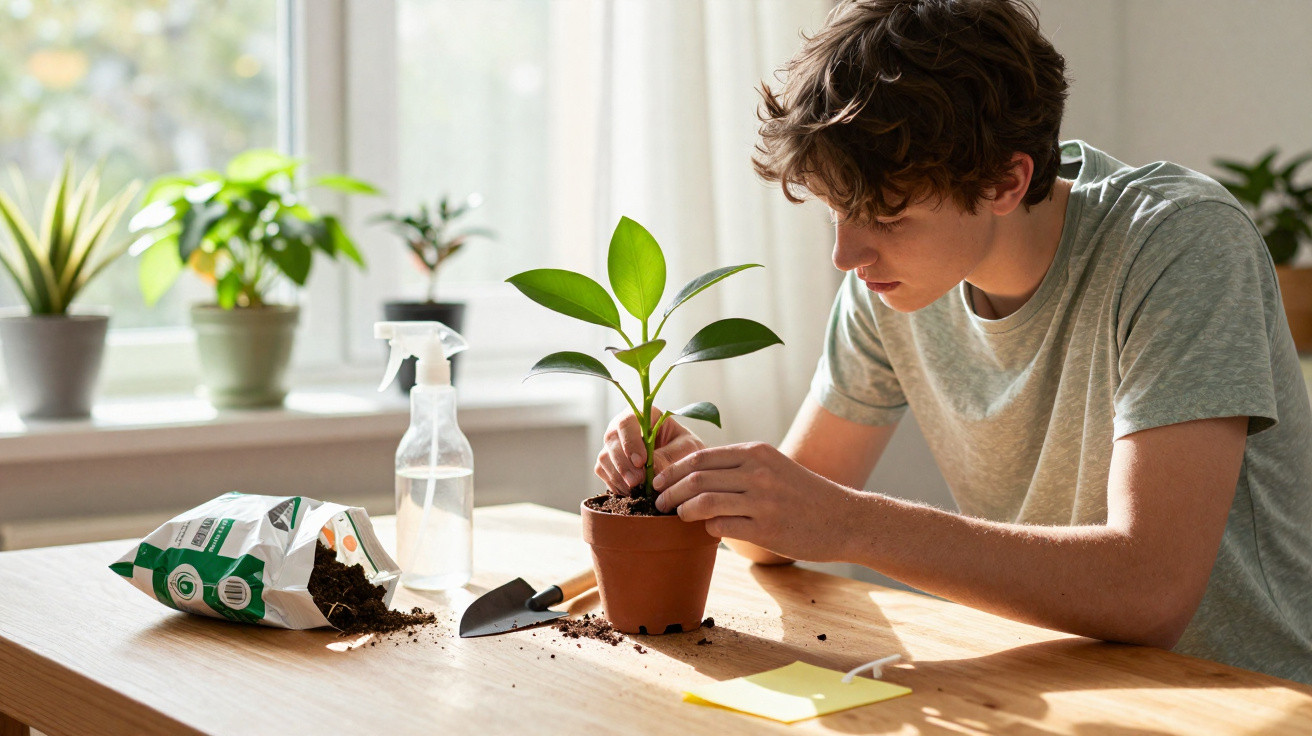
When a plant has a sulphur smell, the first priority is to restore airflow and a balanced moisture level around the roots. Water less frequently, allow the growing medium to dry out partly, and make sure the pot has drainage holes to help stop the oxygen-free conditions.
In more serious cases, it may be necessary to replace some or all of the growing medium, cut away dark and soft roots with a clean tool, and move the plant to a brighter, better-ventilated spot without excessive direct sun. If the odour remains after these changes and the plant continues to decline severely, seek advice from a gardening professional or technician for a more detailed assessment.


Comments
No comments yet. Be the first to comment!
Leave a Comment