
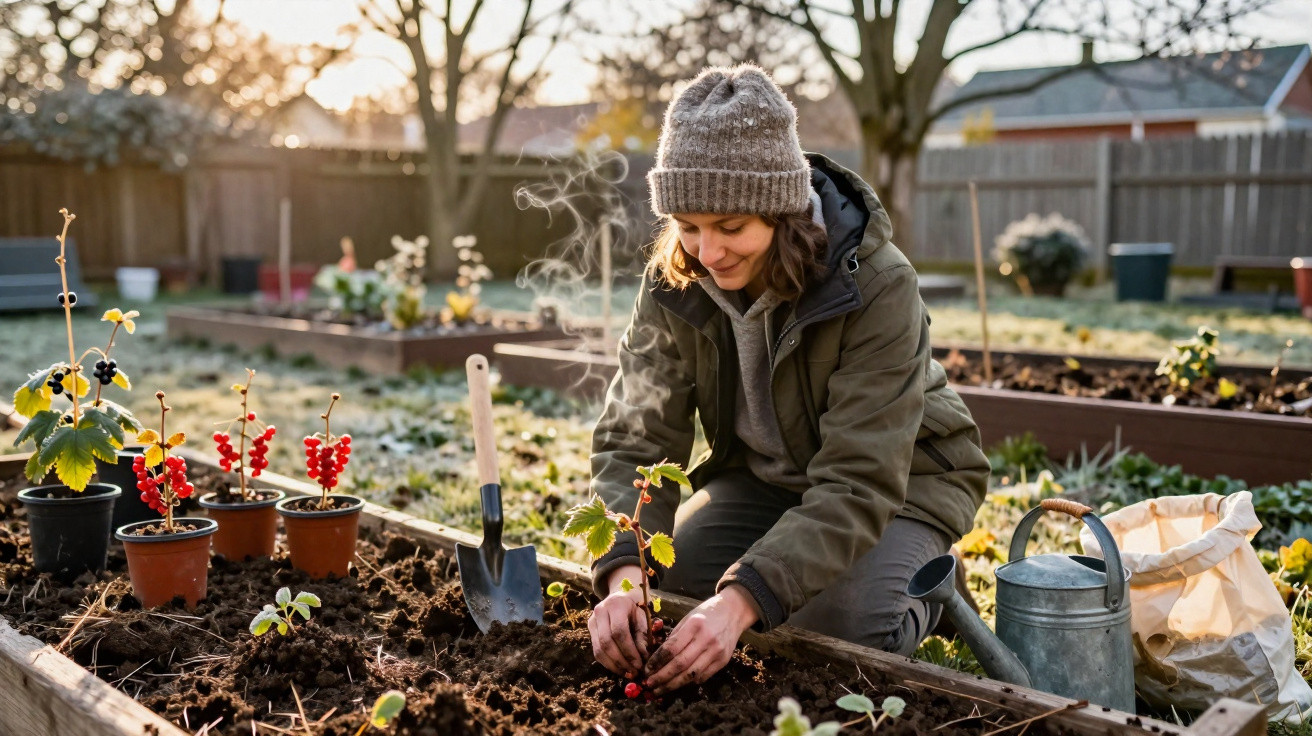
This is the time when resourceful amateur gardeners get quietly ahead – while everyone else is still dutifully waiting for spring.
Many garden enthusiasts do not get started until March. Yet anyone wanting to take their raspberry, redcurrant and blackcurrant bush harvests to another level should make use of the final days of January. Winter planting may sound risky at first, but it can give the fruit garden a remarkably clear head start.
Why winter is the overlooked planting season
For decades, the idea that “you plant in spring” has been firmly lodged in people’s minds. With milder winters and increasingly dry summers, that is no longer always true – at least not for soft-fruit shrubs.
Professional nurseries have long planted raspberries and currants between November and January, provided the ground is not frozen. The reason is simple: the soil still retains a little summer warmth, while winter moisture creates ideal starting conditions.
“Anyone who plants by the end of January gives their shrubs several invisible but crucial weeks of root growth in advance.”
These very weeks often later determine whether you harvest “a few handfuls of berries” or baskets brimming with fruit.
Three berry stars you should still plant now
1. Raspberries: a quick win for impatient gardeners
Raspberries are among the shrubs that benefit most noticeably from early planting. They develop fine, fairly shallow roots that remain highly active in the still-mild winter soil.
- Position: bright to partially shaded, sheltered from wind
- Soil: humus-rich, loose and free-draining
- Spacing: 50–60 cm between plants and 1.5–2 m between rows
If you plant at the end of January, the new roots can already make strong growth in February and March, while the plant remains dormant above ground. By July, plants often repay this with a first, surprisingly respectable crop – noticeably earlier than those planted in April.
2. Redcurrants: the easy-care classic
Redcurrants are hardy, robust and particularly suitable for beginners. Planting now lays the foundations for heavily laden strings of fruit as early as next summer.
- Spacing: 1–1.2 m between plants
- Planting depth: 3–5 cm deeper than they were in the pot or nursery
- Form: grow as an open bush, or train on a trellis in small gardens
Planting slightly deeper encourages extra root and basal shoot formation. This produces a strong, densely branched bush that crops reliably for many years.
3. Blackcurrant bush (cassis): an aromatic powerhouse
Blackcurrants are not only richly flavoured and perfect for juice, jelly or smoothies; they are also among the most vitamin-rich berries of all. They, too, enjoy a winter start.
Those who set blackcurrant bushes in loosened, well-nourished soil in January will get vigorous plants with strong resilience. Later, the berries are often borne in dense strings and are packed with pigments and antioxidants – a benefit for both health and the store cupboard.
The three major advantages of planting before February
Strong roots instead of spring stress
As long as soil temperatures remain above around 4–5°C, roots continue to work – even when nothing appears to be happening above ground. During winter, shrubs direct their energy specifically below the surface.
- more fine roots to take up water and nutrients
- better stability in wind and heavy rain
- considerably greater drought tolerance in the coming summer
When shrubs are planted in April, they must establish roots, produce new growth, support leaves and form flowers all at once. Many young plants struggle with this, resulting in a poorer harvest.
Less transplant shock, more flowers and fruit
Typical “transplant shock” occurs when plants must immediately cope with sun, moisture loss and growth after being set out. In winter, this pressure is largely absent, allowing the shrubs to settle in quietly.
“Gardeners report yields 15 to 30 per cent higher in the first year when plants go into the ground in January rather than spring.”
This becomes evident through:
- stronger new growth in April
- more abundant flower clusters in May
- larger, juicier berries in summer
Colder weather, fewer pests and fungal problems
Cold weeks act as a natural hygiene treatment in the garden. Many fungal spores and insect larvae are less likely to survive extended cold periods. Newly planted shrubs therefore begin in a “cleaner” environment.
Winter planting also gives plants time to build a strong defence system before aphids, spider mites and similar pests become properly active in May and June. This significantly reduces the need for sprays.
Good soil is essential: how to assess your ground
The simple hand test for perfect soil texture
Being frost-free alone is not enough. Soil structure plays a decisive part in whether planting succeeds.
A quick test:
- Take a spade and lift a little soil from a depth of 15–20 cm.
- Gently squeeze it in your hand.
- Open your hand and see what happens.
- If the soil clump crumbles easily, conditions are ideal for planting.
- If it stays as a hard block, the soil is too compacted.
- If it flows almost like sludge, the soil is too wet and it is better to wait.
Prepare your bed like a professional
A carefully planned planting day achieves little if the soil is unsuitable. These steps will bring your ground into shape:
- Loosen deeply: work to a depth of around 30–40 cm with a spade or garden fork, breaking up large clods.
- Incorporate organic matter: mix in plenty of mature compost to improve structure and nutrient retention.
- Prevent waterlogging: work sand into heavy clay soil or create small planting mounds.
- Allow it to rest: leave the prepared bed for a few days before planting.
“Even the best plant will achieve nothing if its roots ‘suffocate’ in compacted, wet soil.”
Step by step: planting your shrubs properly now
Choose the right day
The best days have:
- daytime highs of between 5 and 12°C
- no ground frost and no overnight frosts forecast for the next two to three days
- lightly cloudy or overcast conditions, without biting winds
- soil that has dried sufficiently and does not smear when walked on
It is useful to prepare the bed during the first spell of fine weather in January. Then you can plant spontaneously during the next mild window without any rush.
Planting technique for raspberries and currants
Raspberries:
- Dig a planting hole large enough for the roots to sit comfortably.
- Position the plant so that the root collar is level with the soil surface.
- Firm the soil well to prevent air pockets.
- Cut stems back to around 25–30 cm – this encourages vigorous new canes.
Redcurrants and blackcurrant bushes:
- Plant slightly deeper than in the pot, around 3–5 cm “too deep”.
- Shape a shallow watering basin around the bush.
- Lightly thin the crown, removing weak or crossing shoots.
A professional trick is known as root puddling: before planting, briefly dip bare roots into a mixture of water and clay-rich soil. This coating clings to the roots, protects them from drying out and improves contact with the soil.
Water, mulch and protection: the first days after planting
No matter how cool the weather is, shrubs need water after planting so the soil and roots settle together properly.
- Water in with 5–8 litres per plant.
- Use a watering can to fill the planting basin where possible, rather than blasting water down from above.
Then apply mulch:
- spread a 7–10 cm layer of straw, leaves or woodchip around each plant
- leave 2–3 cm clear around the stem so that the root collar stays dry
On exposed sites, simple windbreaks made from hessian, straw mats or stretched horticultural fleece are worthwhile until the shrubs have rooted in properly.
What early planting brings over the gardening year
A typical successful year at a glance
| Month | What happens in the shrub |
|---|---|
| February–March | intensive root growth beneath the surface |
| April | early, vigorous growth and many new shoots |
| May | dense flowering and good conditions for pollination |
| June–July | full strings of berries, often with larger fruit |
| August | shrubs stay vigorous for longer, even during hot spells |
| Autumn | shoots ripen more effectively and winter hardiness improves |
The advantage plants gain in January usually continues for two to three years. Many shrubs reach their full cropping potential a good six months sooner than specimens planted late.
Avoid care mistakes – so the advantage lasts
To ensure the strong start is not lost again, follow simple but consistent care routines:
- Top up the mulch: renew it in early summer and autumn to retain moisture and feed the soil.
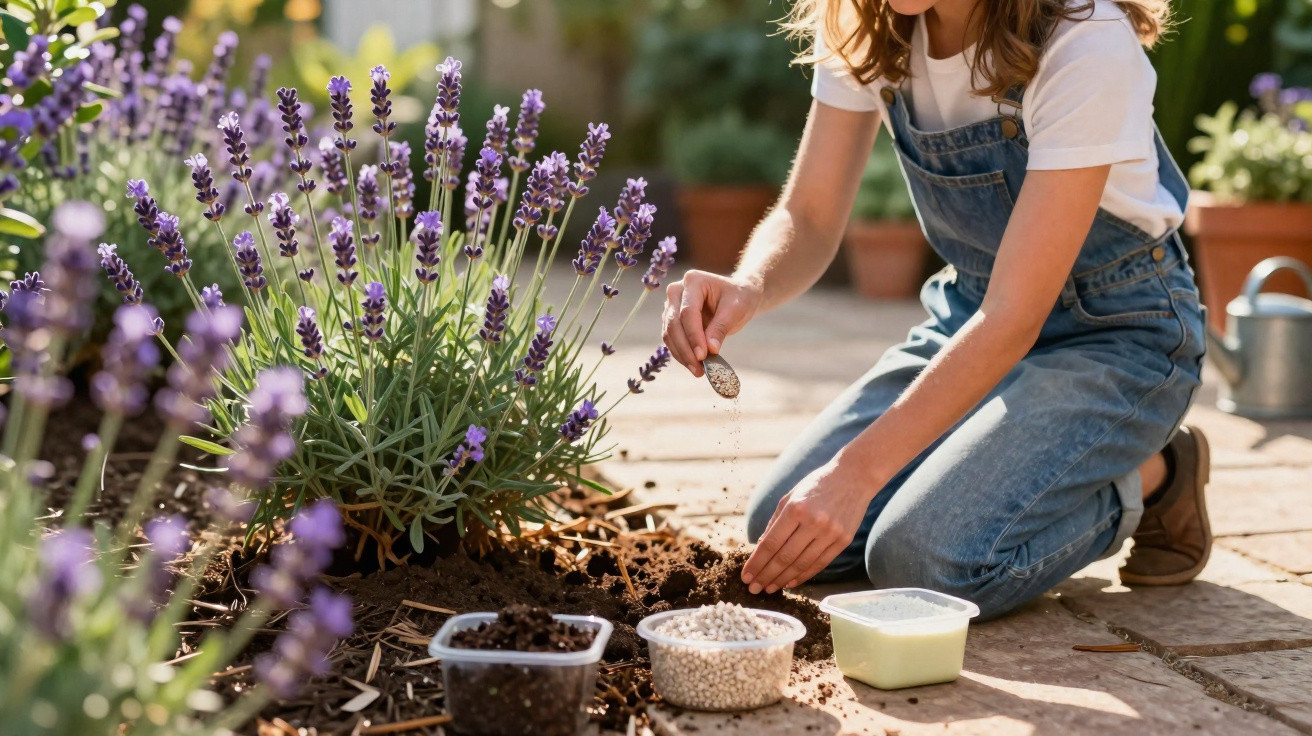
- Feed regularly, but moderately: spread a thin layer of mature compost in spring, then work in a little slow-release organic fertiliser, such as horn meal, in autumn.
- Prune correctly:
- Raspberries without a second autumn crop: remove all canes that have fruited.
- Raspberries that produce an autumn crop: choose a pruning method for either two smaller harvests or one large late harvest.
- Currants: gradually cut out older, dark shoots and encourage younger ones.
A few more tips for beginners
Anyone completely new to growing berries should start with two or three shrubs and build experience, rather than planting whole rows immediately. A modest start is enough to practise timing, soil handling and pruning.
Combining crops can also be worthwhile: short-lived spring crops such as lamb’s lettuce or radishes can grow beneath the shrubs before the berry bushes become dense. This makes double use of the space and keeps the soil active.
Whether you have a town garden, a terraced-house back garden or a small rural plot, picking up a spade now lays the foundation for a summer in which the breakfast bowl is rarely without home-grown berries. A few hours of work in January repays itself many times over – in jars of jam, bowls full of raspberries and the satisfying feeling of having outsmarted the calendar.


Comments
No comments yet. Be the first to comment!
Leave a Comment