

An understated cottage-garden classic delivers delicate foliage and vivid colour for months of flowering – ideal for lazy gardeners.
Between the nursery drop-off, work and the weekly shop, there is rarely much time left for demanding garden projects. Yet many people still want a balcony or garden that bursts into colour in summer. This is where an old-fashioned but exceptionally rewarding flower comes in: one that even busy households can grow with ease.
The one flower almost everyone should sow now
Garden experts across the United Kingdom are currently in striking agreement: if you buy only one packet of seeds, Nigella – often called love-in-a-mist – is an excellent choice. Its delicate, feathery leaves, wrapped in a haze of green, suit romantic cottage gardens perfectly, while working just as well in a container on an urban balcony.
Nigella produces fresh flowers from June into autumn, needs very little attention and attracts numerous pollinators – making it an ideal choice for families short on time.
A single straightforward sowing offers a major reward: as well as providing flower-filled beds for weeks, it supplies plenty of material for vase arrangements. Amateur gardeners report regularly cutting whole handfuls of fine stems to bring indoors.
Why Nigella suits packed schedules
Unlike many delicate summer flowers, Nigella is a hardy annual. It copes easily with cool nights, rarely suffers from disease, and slugs generally avoid its fine young shoots. Even those who tend to let houseplants dry out have a genuine chance of success with this one.
The key benefits at a glance
- Long flowering period: usually from June to September, continually producing fresh buds
- Minimal maintenance: some water during dry spells and the occasional removal of spent flowers
- Flexible planting options: suitable for beds, raised beds, containers or window boxes
- Good for insects: bees, hoverflies and other pollinators find plentiful food
- A vase favourite: remains fresh in bouquets for up to ten days
- Self-seeding: if seed pods are allowed to ripen, free new plants often appear the following year
Nigella looks especially effective alongside roses, lavender or perennials with larger blooms. Its fine, thread-like foliage forms a soft cushion, giving bolder plants a light, almost floating frame.
How to sow Nigella now for a summer of colour
Getting started is remarkably easy. From around March, once the ground is no longer frozen, seeds can be sown straight outdoors or into balcony planters. Those gardening on a very small scale, such as on a windowsill, can begin with a shallow tray.
Step-by-step sowing guide
- Choose the position: select a sunny or partially shaded spot with freely draining soil and no standing water.
- Prepare the soil: loosen the earth, remove large stones and old roots, and mix in a little sand or fine grit if the soil is particularly heavy.
- Scatter the seeds: spread them loosely across the surface rather than pressing them into rows; the plants look best in relaxed drifts.
- Cover lightly: add only a very thin layer of soil or compost, without firming it down.
- Water in: water carefully, ideally using a watering can fitted with a rose, so that the seeds are not washed away.
For trays or seed boxes, a substrate depth of five to eight centimetres is sufficient. The seeds can be placed relatively close together. Any surplus seedlings can later be thinned out and moved elsewhere.
| Task | Recommendation |
|---|---|
| Sowing time | March to May, with an optional second sowing in June |
| Spacing in beds | 20–30 cm between plants |
| Position | Sunny, well drained, with a sheltered spot advantageous |
| Watering | Water regularly in dry weather; avoid waterlogging |
| Flowering period | June to September, and longer with staggered sowing |
Low-effort Nigella care: keeping flowers going for weeks
Once Nigella is established, it largely takes care of itself. One basic rule is almost enough: regular cutting encourages more flowers. This applies both to picking stems for bouquets and to removing faded flower heads in the bed.
The more consistently spent blooms are removed, the longer the plant continues to produce new buds – an ideal arrangement for anyone who regularly brings flowers indoors.
A few simple care measures help achieve the best results:
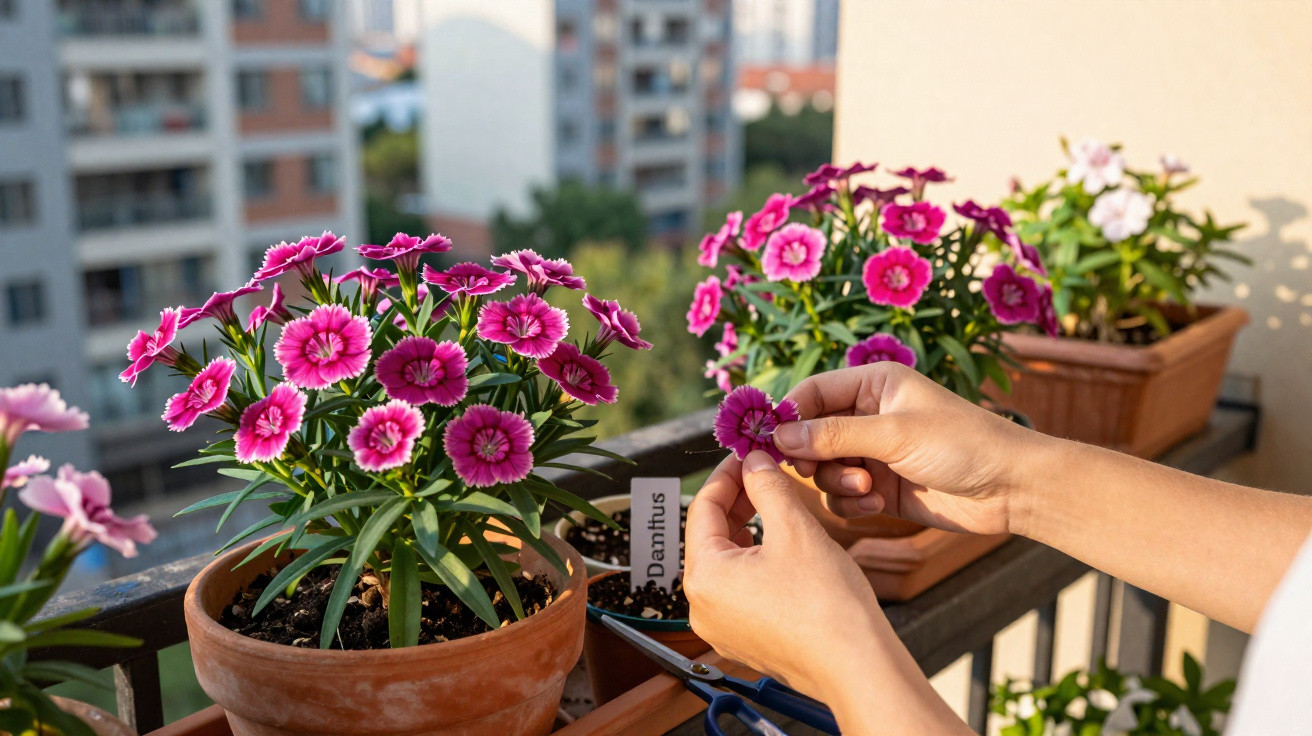
- Remove faded blooms: cut off fading flowers with a short section of stem before the seed pod forms.
- Sow again: scatter a small batch of seeds every three to four weeks to stagger flowering until late summer.
- Feed sparingly: in nutrient-rich soil, the existing supply is generally enough; in containers, apply a small dose of organic liquid feed in May.
- Watch for storms: in very exposed locations, use a few canes or neighbouring plants for support if needed.
In areas with mild winters, some gardeners sow Nigella as early as autumn. The young plants usually come through the cold season without difficulty and begin spring with a head start. As a result, flowering can sometimes begin as early as late May.
Free flowers next year: making the most of seed
Anyone happy with the display can allow a few flowers to mature. Nigella produces decorative, balloon-like seed pods that start green before turning brown. Many people dry these pods for autumn wreaths or bouquets.
If the pods are left on their stems until they split open, fine black seeds scatter into the surrounding soil. This self-propagation is exactly why a new generation often appears in the same place the following spring. In small gardens or rented plots, a compromise works well: leave a few seed heads in place and cut off the rest.
What makes Nigella different from other summer flowers
Compared with familiar annuals such as petunias or geraniums, Nigella has a distinct character. It is less showy and more poetic. Its fine leaves weave unobtrusively among other plants without overwhelming them.
Nigella is also interesting for children because there is plenty to observe: bees visiting the flowers, the seed pods slowly swelling, and later the dry husks rustling. A simple packet of seeds becomes a small nature project that costs almost nothing.
Beginner gardeners can learn several essentials from Nigella at once: sowing, pricking out, watering correctly and dealing with self-seeding. At the same time, frustration is limited because the plant is forgiving of mistakes. A missed day of watering or seeds scattered too densely are both things it can usually handle with ease.
Practical combinations and small risks
In a bed, Nigella works particularly well with:
- Bed roses in soft pastel shades
- Summer perennials such as lady's mantle or catmint
- Spring bulbs, whose foliage it later conceals
- Vegetable beds, where it fills gaps and attracts pollinators
There is one point households should nevertheless be aware of: like many ornamental garden plants, Nigella is considered mildly toxic. Children should therefore not put its leaves or seeds in their mouths, and pets should generally not do so either. In realistic quantities in an ordinary ornamental bed, however, it is unlikely to cause much of a problem.
Anyone who already loves other low-maintenance plants such as pot marigolds or cornflowers will find Nigella an appealing addition: just as undemanding, but much finer and more contemporary in appearance. One packet of seed is usually enough to cover beds, containers and even raised beds with a light veil of colour, bringing plenty of summer atmosphere to everyday life.



Comments
No comments yet. Be the first to comment!
Leave a Comment