
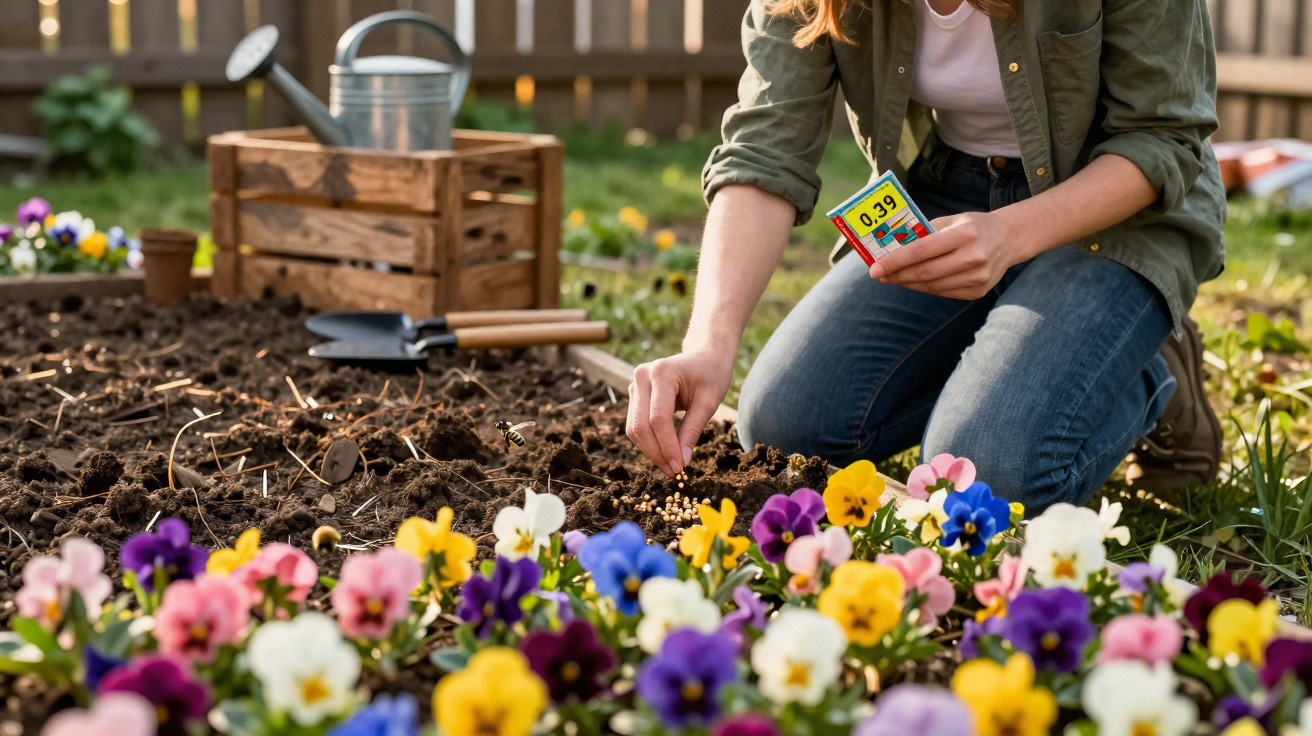
While many amateur gardeners still hesitate before buying expensive plants, retailer Action has launched an offer that sounds almost unreal: a packet of flower seeds for €0.39 can turn entire beds, containers and even bare patches into a colourful spring display. It may sound like a leaflet claim, yet it can work surprisingly well in everyday gardening if a few simple rules are followed.
Colourful blooms for pennies: what is in the 39-cent seed packet?
Discount retailer Action is currently selling a mixed packet of flower seeds for just €0.39. The packet contains seeds from several annual varieties, intended to provide a long and varied flowering period throughout spring and early summer.
“For less than half a euro, an entire flower bed can be transformed into a colourful sea of blooms – without putting much strain on the budget.”
The product is aimed chiefly at anyone wanting to brighten a garden, balcony or front garden quickly and easily. Rather than purchasing individual potted plants, you simply sow a mixture that emerges and flowers gradually.
Where to find the offer
The seed packets are available in Action stores, in the garden and seasonal section. As the warmer months approach, they are often displayed prominently at the end of an aisle. Stock is limited, because promotions of this kind are generally short-term and depend on warehouse availability.
- Department: garden and plant shelves
- Price: €0.39 per packet
- Suitable for: beginners and experienced amateur gardeners
- Season: mainly before and during spring
Anyone already visiting the shop for household goods or decorations can pick up a seed packet while they are there, making it easier to give it a try.
Which flowers are included – and what effect do they have in a bed?
The mix generally includes traditional, hardy spring and summer flowers. Typical varieties in packets like this include:
- poppies, including field poppies
- cosmos
- calendulas
- cornflowers and similar meadow flowers
Visually, mixtures of this kind resemble a compact cottage garden or a bright wildflower meadow, creating a far livelier result than a bed planted with one variety alone.
“The major advantage is that the different varieties do not flower at the same time, but one after another. This keeps the area attractive for much longer.”
Colours, shapes and flowering period
Most varieties in the packet are classed as annual summer flowers. They germinate in spring, grow quickly, flower generously and die back once the season ends. In return, they produce fresh buds over many weeks.
The display combines:
- rich orange and yellow shades (calendulas and tagetes varieties)
- pink and violet tones (cosmos and similar varieties)
- red or crimson flowers (different poppy varieties)
- occasional white and blue blooms
This variety creates a lively appearance, softens formally designed gardens and works just as well in more natural-looking corners.
Good for bees and butterflies: why the Action flower seed mix helps nature
There is another benefit: flower-rich mixes provide a food source for many beneficial insects. Many of the flowers included offer nectar and pollen at different points during spring and early summer.
“Sowing in this way creates a meeting place for bees, butterflies and other pollinators on a tiny budget.”
Why pollinators benefit so much
The flowers are usually single rather than double, making them easy to access – exactly what solitary bees, bumblebees and butterflies need. The longer flowers remain available during the year, the better these animals can manage.
This is particularly valuable in residential areas, where lawns are often cut very short. A flowering strip is an important addition in such places. Anyone with room in a front garden, beside a fence or around a compost area can use one seed packet to create a small oasis.
How to sow the seeds: a simple step-by-step guide
The process is clearly designed for people without extensive gardening experience. No specialist tools are needed; a rake or garden hoe is enough.
The key steps at a glance
- Prepare the area: Loosen the soil, remove weeds and root remnants, and pick out larger stones.
- Level the soil: Use a rake to create an even surface with a fine, crumbly texture.
- Scatter the seeds: Open the packet and spread the seeds loosely by hand across the area.
- Cover lightly: Work in a small amount of soil, covering the seeds to a maximum depth of 1 centimetre.
- Water in: Use a gentle spray so that the seeds are not washed away.
On a small bed, this takes only a few minutes. If you are unsure, mix the seeds with a little dry sand beforehand, which makes them easier to distribute evenly.
Position and care: helping the plants grow strongly
Location plays a crucial role if this bargain is to become a carpet of flowers. Most of the flowers included prefer sunshine, so a spot receiving at least four to five hours of light each day is ideal.
After sowing, keep the soil lightly moist while avoiding waterlogging. Seedlings are sensitive during the first few weeks, but later cope much better with short dry spells. Regularly removing spent flower heads encourages the plants to form new buds and noticeably extends the flowering season.
How long will the garden flower – and is it really worth it?
Many buyers wonder whether such an inexpensive product can actually deliver decent results. Practical tests show that the brand name matters less than proper soil preparation and a suitable location.
“Anyone providing reasonably suitable conditions will often get more flowers from a 39-cent packet than from several individually bought potted plants.”
Flowering duration and follow-up sowing
When sown at the right time – usually in March or April, depending on the region – the first flowers appear a few weeks later and continue into summer. Sowing part of the seeds later staggers the flowering period and extends it further into the season.
Many of these flowers develop seed heads after flowering and can self-seed. With a little luck, a few plants will appear again the following year, even though the mix is officially annual.
Who will benefit most from this flower seed mix?
The low cost removes much of the worry about unsuccessful attempts. This type of product is especially likely to encourage gardening beginners to try sowing seeds.
| Garden type | Benefits of the mix |
|---|---|
| Small urban garden | Quick bursts of colour, little maintenance, suitable for bed edges |
| Balcony planters and containers | Seeds can be sown in portions, providing a colourful mix rather than a monoculture |
| Front garden | An eye-catching feature, valuable for insects and inexpensive to create |
| Family garden | A child-friendly project that illustrates nature and growth |
Many parents use mixes like these to spark children’s interest in nature. From sowing and daily checks through to the first bunch of home-grown flowers, it creates memorable experiences.
Tips from amateur gardeners: getting even more from the packet
A few straightforward measures can help you make the most of the seeds. Soil lightly improved with compost often produces sturdier plants and more intense colours. Dividing the seeds between several smaller patches can also create a more balanced overall effect than scattering everything in one place.
- Do not sow too densely – plants need room to develop.
- Sow into small gaps during summer if any seeds remain.
- Allow some of the most attractive flowers to mature deliberately for seed collection.
Those who enjoy experimenting can combine the mix with a few taller perennials or grasses. This creates a natural, layered look reminiscent of a small flower meadow.
For people on a very tight budget, the seed packet offers one key opportunity: improving their outdoor space without major expense. Even a narrow strip along a garden fence can become a surprisingly striking display of colour with a few cents and some water.



Comments
No comments yet. Be the first to comment!
Leave a Comment