
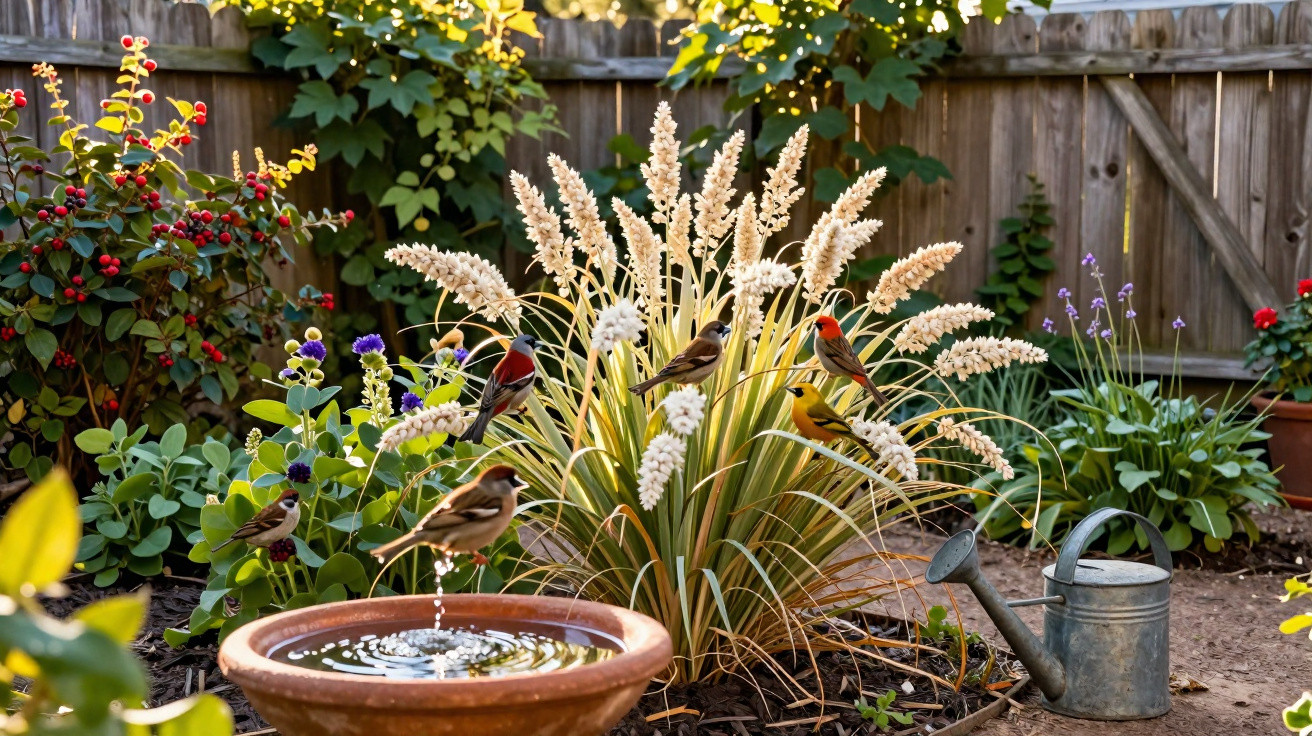
Many people would like to see more wildlife in their garden but feel disappointed: hardly a bird appears, even when feeders are hung up and nest boxes are in place. The answer is often not expensive equipment at all, but suitable planting. One especially easy-to-grow plant is central to this approach and, combined with several other species, can bring a real influx of feathered visitors.
The simple plant that attracts birds as if by magic
At the heart of this idea is a crop that is entirely familiar in birdseed mixes but still uncommon in flower beds: white millet, often sold as birdseed millet or spray millet. This cereal may look unremarkable, yet it has a great deal to offer birds.
“White millet provides highly energy-rich grains, grows without difficulty and gives birds a dependable food source, particularly during challenging periods.”
Millet's main strength is its tolerance of conditions that defeat many ornamental plants. It will grow in relatively poor or slightly alkaline soil, where roses and perennials often struggle. It also copes far better with dry summer spells than many conventional bedding plants.
Its grains are nutrient-rich and eaten by a wide range of garden birds, especially when natural food is scarce: in late winter, on cold spring days or during the energy-demanding breeding season. Sowing millet in the garden provides food throughout the year and increases the likelihood of lively activity around beds and lawn edges.
Why millet appeals so strongly to garden birds
- Long-lasting food supply: The seed heads remain in place for a long time, providing a steady supply of grains.
- Energy during difficult periods: Rich in fat and protein, the grains are well suited to cold weather and raising young.
- A natural feeding place: Birds can forage calmly among the plants rather than competing solely at a feeder.
- Garden structure: The stems offer light screening and cover from birds of prey and cats.
Another benefit is that millet is an annual, making it adaptable. If it does not perform well in one position, simply sow it elsewhere the following year.
Beyond millet: plants that turn a garden into a bird paradise
White millet provides a strong foundation. The garden becomes much more interesting when it includes a mix of plants for food and shelter. This ensures that something is always flowering or fruiting through the seasons, so different bird species have a continual supply of food.
Berry shrubs as a natural larder
Berry-producing shrubs are among the most valuable food sources for garden birds. They supply food for many months while also offering hiding places and nesting sites.
- Cotoneaster: Dense foliage and plentiful, usually red berries, which are especially popular in winter.
- Elder: Its flowers attract insects, while its berries give birds energy during summer and autumn.
- Pyracantha (firethorn): Dense, usually thorny branches covered with bright berries provide a secure feeding and retreat area.
- Holly (Ilex): Evergreen foliage and red winter berries make it ideal as a protective shrub.
Seed-producing plants: a grain buffet in the flower bed
Alongside millet, other seed-bearing plants add variety to birds' diets.
- Sunflower: A classic choice. Its large heads are packed with seeds and are popular with finches, tits and sparrows.
- Amaranth: Produces many tiny seeds, extending the food supply well into autumn.
Nectar plants that attract insects – and therefore insect-eating birds
Many bird species eat insects or feed them to their young. Bringing more insects into the garden therefore also brings more birds.
- Buddleja (butterfly bush): Its abundant flower spikes attract butterflies and other insects.
- Lavender: Bees, bumblebees and hoverflies are drawn to it, creating a well-stocked feeding ground for insect-hunting birds.
- Purple coneflower (Echinacea): Attracts insects while in bloom, and its seed heads can be left standing as winter food.
Ground cover and climbers for safe shelter
Birds need more than food: they also require protected places where they can rest, sleep and breed undisturbed.
- Ivy: Offers dense foliage, late flowers for insects and winter berries, making it an excellent hiding place.
- Virginia creeper: Quickly covers walls and fences and provides shelter; depending on the variety, it may also produce small berries.
How to make a garden genuinely bird-friendly
The right plants are the first step. A few straightforward habits then determine whether birds stay permanently or only pay a brief visit.
Structure rather than sterile neatness
Birds favour gardens with varied corners, edges and a little “messiness”. Immaculately clipped lawns and bare gravel areas offer almost no habitat. Areas that are allowed to look slightly wild are much more appealing.
- Leave small patches of long grass untouched.
- Keep faded perennials with their seed heads in place over winter.
- Gather leaves and small branches into loose piles.
“A few deliberately ‘untidy’ areas provide insects, shelter and natural food – the foundation for more bird species in the garden.”
These areas help more than birds. Other garden visitors, such as hedgehogs, can find safe winter shelter in leaf piles.
Dense hedges instead of exposed fences
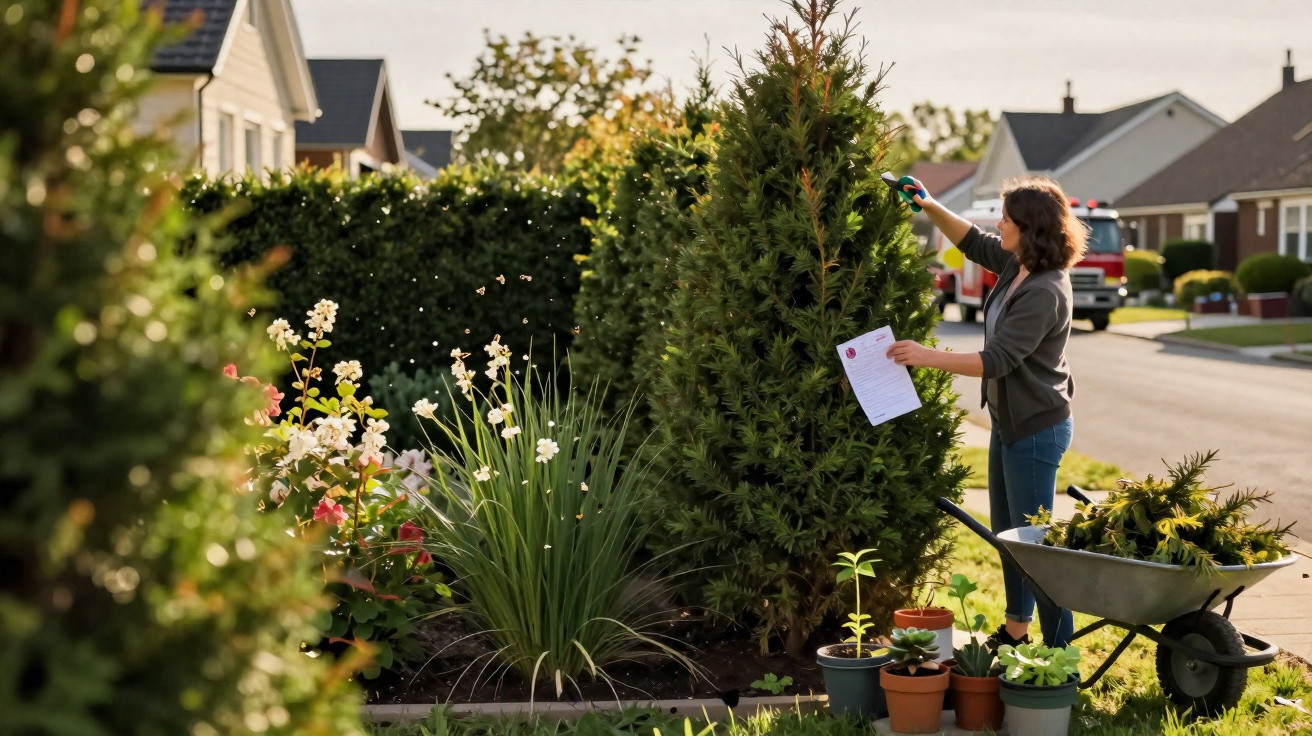
Wooden fences and wire panels provide little protection. Dense hedges made up of mixed shrubs are far more useful, serving as nesting sites, sleeping places and escape routes.
Native species such as hornbeam, privet, blackthorn and Cornelian cherry are particularly suitable. Combine them with berry-bearing plants such as firethorn or elder to create a green protective barrier with an integrated food source.
Water features as a draw for birds
Even a garden with excellent planting is less appealing to birds without clean water. Simple water features are sufficient:
- shallow dishes or bird baths on a pedestal
- a small, low basin placed on the ground
- if desired, a miniature fountain with gently trickling water
Regularly replace the water and clean the container to prevent disease-causing organisms from building up.
A pesticide-free zone: why pesticides have no place in a bird garden
Anyone hoping to attract more birds must avoid chemical treatments. Insecticides affect not only aphids but many other insects too, removing an important food source for birds. Weedkillers eliminate wild plants whose seeds are vital to many species.
Mechanical measures are preferable, such as hand-picking pests or rinsing them off with water. Over time, a healthy, mixed garden begins to regulate itself: more insect-eating birds, more beneficial organisms and fewer large-scale infestations.
Practical example: what a bird-friendly flower bed could look like
Here is a small example for a typical suburban garden with around 50 square metres of usable space:
| Area | Planting | Benefit for birds |
|---|---|---|
| Rear garden boundary | Mixed hedge of elder, firethorn and privet | Nesting sites, berry food, cover |
| Central strip | Millet, sunflowers, amaranth and perennials with seed heads | Grain food in summer and winter |
| Front section | Lavender, coneflower and butterfly bush | Insect supply for insect-eating birds |
| Corner beside the patio | Shallow water feature, partly shaded | Drinking and bathing place |
| Edge zone | Virginia creeper on the fence, small wildflower meadow and leaf pile | Shelter, overwintering sites, additional insects |
Useful terms and tips for beginners
Anyone new to the subject will soon encounter specialist terms. Two important ideas are easy to remember:
- Nutrient-poor site: Soil with few nutrients. Many wild plants and species such as millet are happier there than in heavily fertilised areas.
- Structural diversity: This means varied heights, dense sections, open spaces, stones and deadwood – the more varied the setting, the more animal species can find something suitable.
If you are initially uncertain, start small: a narrow row of millet, a few sunflowers, a clump of lavender and a water feature are enough to produce the first results. Further berry shrubs, ground cover and wildflowers can be added over time.
Many amateur gardeners report noticeably more sparrows, tits, finches and robins in their gardens after just one to two years. With millet as a straightforward starting plant and a thoughtful selection of complementary species, a garden can gradually become not only attractive to look at but also a genuine refuge for wildlife.
Comments
No comments yet. Be the first to comment!
Leave a Comment