
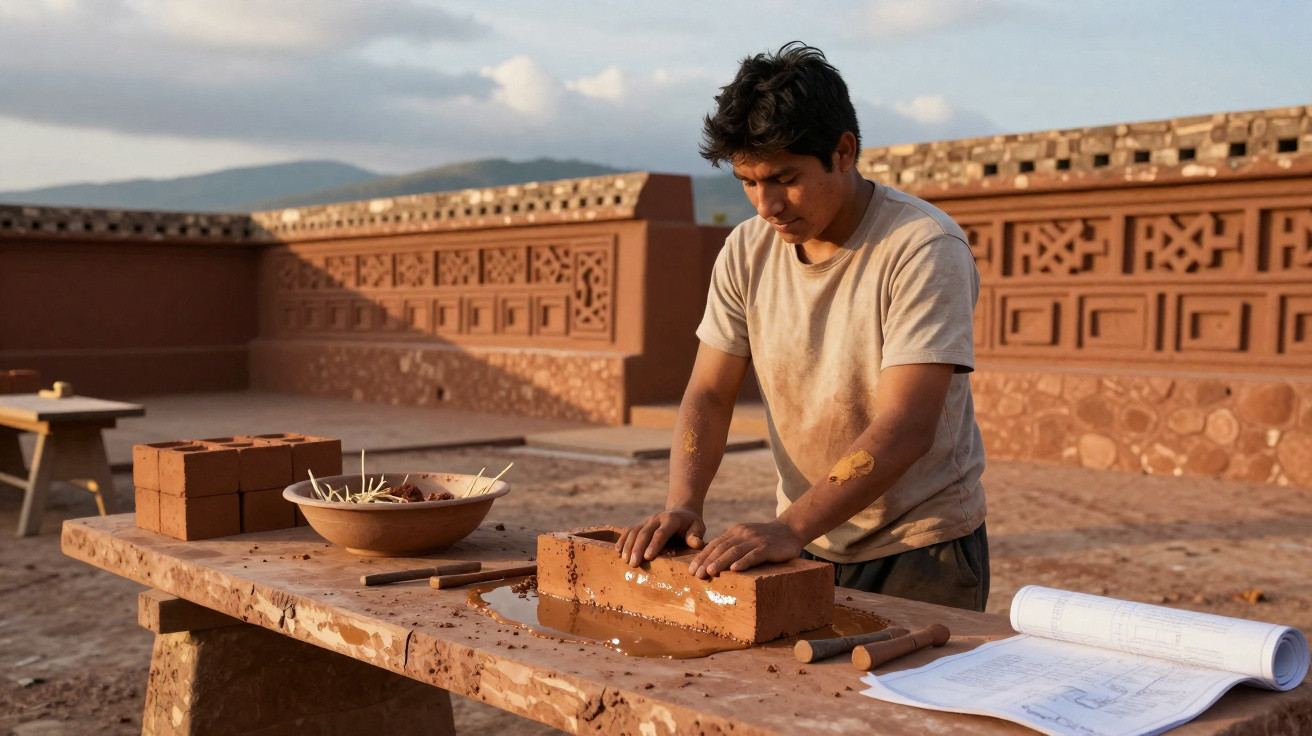
Preserving the Chan Chan complex calls for a monumental effort to counter natural deterioration. On Peru’s coast, specialist craftspeople use their knowledge of adobe bricks to safeguard millennia-old clay structures exposed to the harsh climatic impacts that continually threaten the region.
How does ancestral knowledge help protect Chan Chan?
Craft work carried out within the archaeological zone relies on traditional methods passed down from earlier generations. Local workers shape earth blocks using age-old recipes, ensuring restoration work retains the historical authenticity required to withstand the area’s destructive humidity.
Meticulous material preparation provides the stability needed to endure the passage of time. Specialists oversee the precise blend of natural components, helping the monument keep its original structure sound while withstanding the gradual, ongoing process of erosion.
What happens when a millennia-old pyramid collapses?
Severe storms and shifts in the climate caused the sudden collapse of a major historic Mexican structure… Read more
What climate-related challenges do the Chimú ruins face?
Torrential rain brought by extreme weather events inflicts serious damage on the earthen walls. Sudden increases in rainfall wear away ancient surfaces, making immediate action necessary to prevent the swift loss of valuable architectural heritage.
Storm damage means teams must remain vigilant throughout every season. Continuous monitoring detects cracks before they widen, lowering the risk of collapse and protecting the integrity of each historic wall.
Below is a video from the ChanChanPe YouTube channel that explores the points discussed in this topic in greater depth:
How are handmade clay bricks produced?
Making adobe bricks by hand requires the exact combination of earth, water and dried organic materials. This ancestral mixture must rest before it is shaped in wooden moulds, providing the ideal mechanical strength and durability needed for the reconstruction of millennia-old walls.
Natural sun drying is a vital stage in preventing internal cracks in the bricks. Skilled professionals inspect every unit produced, ensuring the finished material meets the technical standards of the restoration project and preserves local ancestral knowledge.
Preserving Clay
Restoration stages
The main pillars of the ruins’ craft-based conservation are:
- Rigorous selection of soil and organic raw materials;
- Traditional moulding and slow open-air drying;
- Manual application to reinforce damaged walls.
Why is government support essential for the complex?
Ongoing funding for conservation projects ensures the supply of materials and wages for workers in the area. Public initiatives make regular upkeep of the historic site possible, supporting specialist training and the continued safeguarding of the region’s archaeological memory.
Without sustained government investment, the climate’s impact would quickly destroy the remaining walls of the Chimú civilisation. Combining formal protection guidelines with local labour strengthens the city’s defences against further extreme climatic threats.
Key actions that ensure lasting protection for the historic site include:
- Ongoing coordination between cultural bodies and native communities;
- Continuous monitoring of moisture variations in the blocks;
- Regular application of protective treatments to the clay surface.
What is the future legacy of Chan Chan conservation?
The workers’ daily commitment ensures future generations can experience the grandeur of an architectural achievement unlike any other on the planet. Passing on these manual skills keeps this living history visible to visitors from across the world, with full physical safety.
Protecting the largest mud-brick city demands uninterrupted dedication in the face of environmental challenges that grow more intense over time. This collective effort turns craft-based resilience into a living symbol of the appreciation and preservation of a millennia-old cultural identity.



Comments
No comments yet. Be the first to comment!
Leave a Comment