
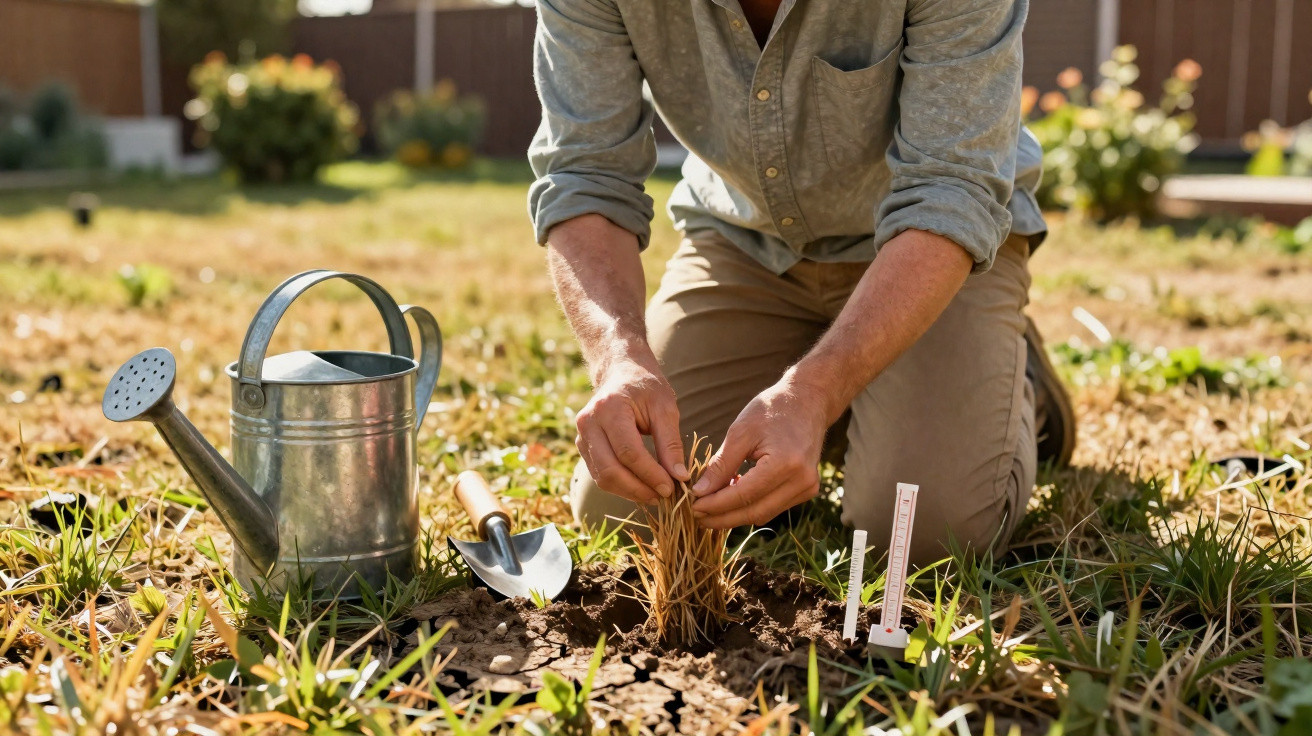
When intense heat batters the garden, watching the vegetation lose its lustre can cause homeowners constant concern. A dry appearance and a yellowish colour do not always mean it has died, as plants often enter protective dormancy.
Why does grass change colour during spells of intense heat?
Sharply rising temperatures combined with a lack of rainfall can place vegetation under severe water stress. As a protective response, the leaves stop their usual growth and cut their energy use, causing them to lose their familiar green shade.
At this critical stage, the plant directs every available nutrient solely towards protecting its underground system. This natural conservation process prevents the organism from becoming completely depleted, keeping the roots alive until favourable conditions return.
How can one simple action revive a dry lawn in summer?
There is a practical measure for hot days that can restore strength to dried-out vegetation without requiring major investment… Read more
How should you carry out a pull test to identify dead grass?
To establish the garden’s true condition, a simple pull test can provide a quick and highly reliable answer. Hold a small clump firmly, then pull it gently upwards, noting the resistance from the structures anchored in the soil.
If the blades come away extremely easily, the growing base in the assessed area has suffered irreversible damage. If there is firm resistance when pulling, however, the plant is still alive and retains the capacity to recover over the following weeks.
Below is a video from the Lawn Doctor of Grand Rapids & Hudsonville YouTube channel that explores the points discussed in greater depth:
Which visual signs distinguish dormancy from permanent damage?
Checking the base of the blade, close to the soil surface, can reveal vital details about the health of your lawn. Slightly green or whitish tones near the ground show that the plant still has functional tissues operating normally.
Conversely, completely brown patches across the whole area indicate a total loss of vitality. The appearance of irregular, uneven bare patches will often point to sections affected by severe stress or possible diseases in the area.
Lawn diagnosis
Visual assessment stages
Check the main points below to diagnose the condition of dried-out vegetation:
- Inspect the plant’s colour at its base, along the soil line.
- Perform the manual pull test at key points.
- Observe the area for consistency and the emergence of patches.
What immediate care helps vegetation recover?
Taking cautious steps prevents the condition from worsening in vegetation experiencing water stress. During extended dry spells, correct management calls for patience and for stopping aggressive practices that could undermine the stability of the soil and roots.
Limiting foot traffic on weakened areas is essential to prevent physical damage to plant crowns. In addition, thoughtfully adjusting the irrigation routine directly helps rehydrate the ground without creating excessive moisture.
Several essential everyday actions should be taken to protect the affected area:
- Avoid frequently walking over dried-out or frozen vegetation.
- Water regularly during the cooler parts of the day.
- Rinse areas exposed to chemicals or accumulated brine.
When is the right time to reassess whether replanting is needed?
Waiting for the season to change and for temperatures to rise is the safest way to assess regeneration. Once suitable weather conditions return, new shoots will emerge naturally, showing precisely which areas need targeted intervention and restoration.
Replacing turf only after this observation period prevents unnecessary expenditure on new planting. By allowing nature to follow its own pace, the homeowner saves resources and ensures a more efficient, consistent recovery of the green space.





Comments
No comments yet. Be the first to comment!
Leave a Comment