
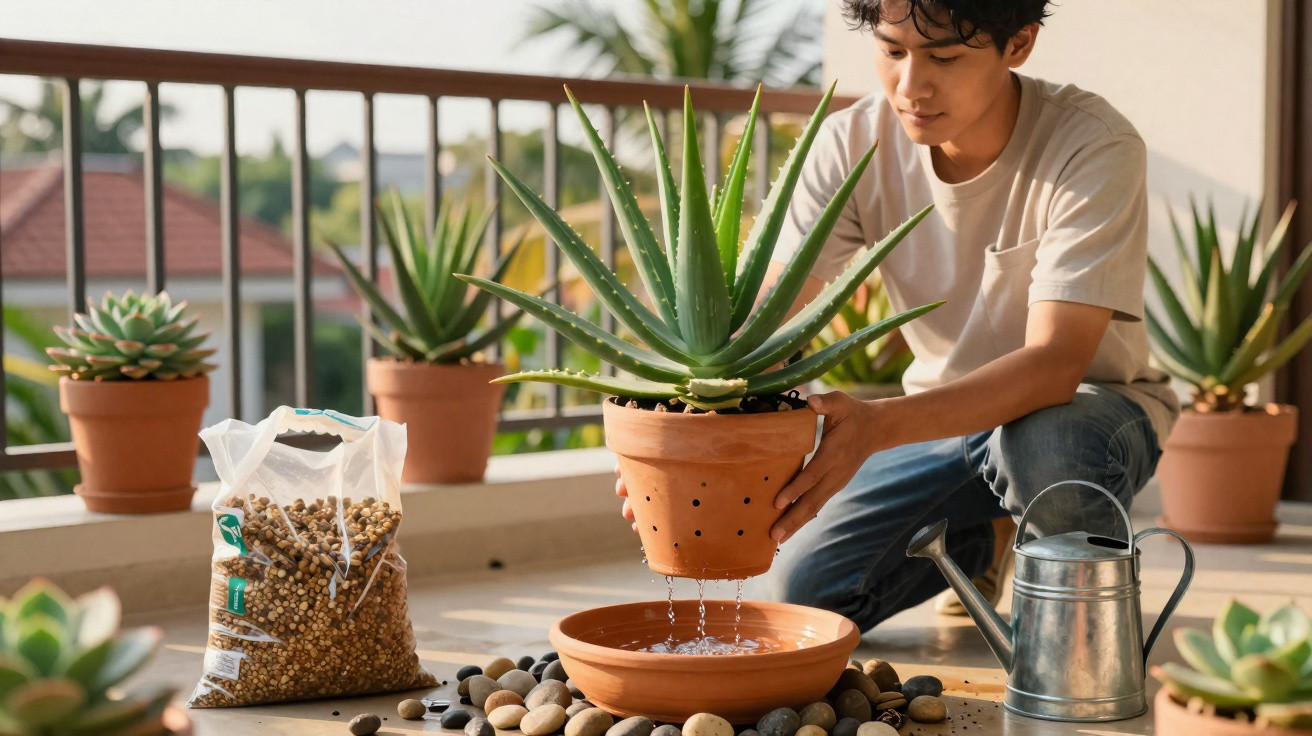
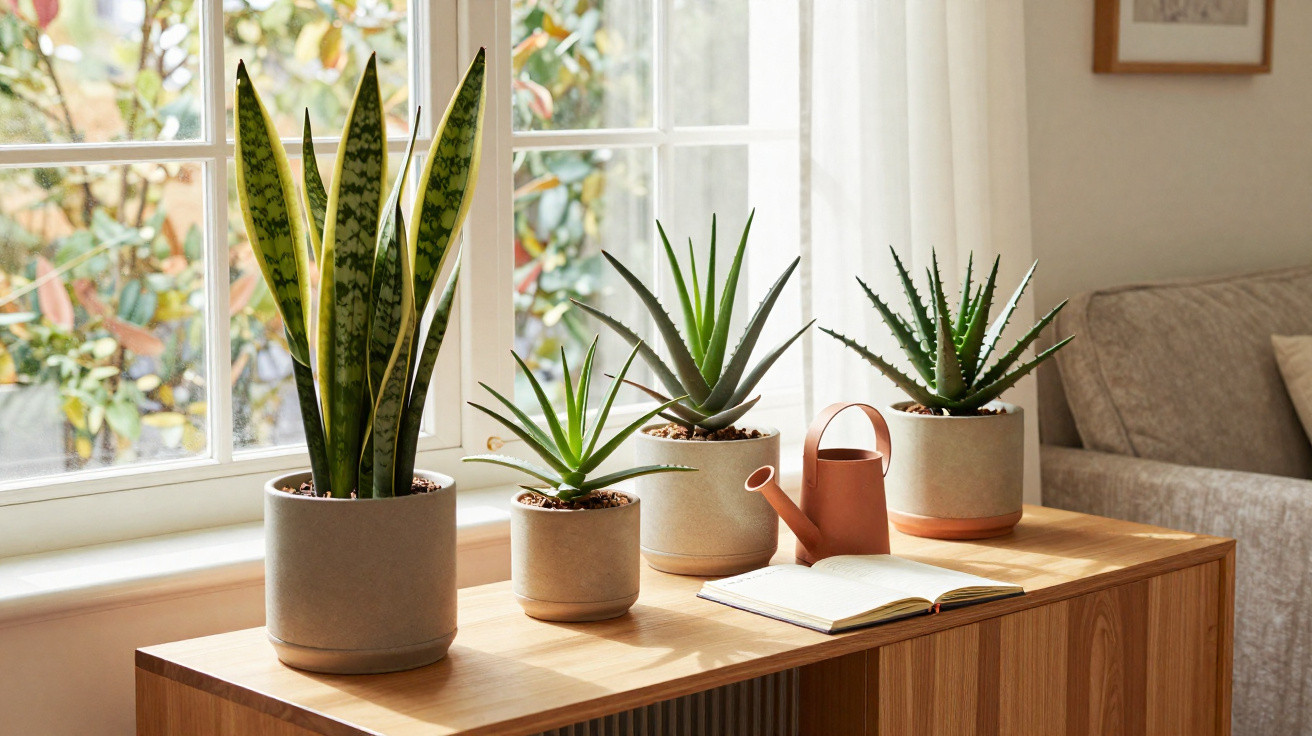
Growing therapeutic species in compact areas at home can be particularly challenging when persistent excess moisture interferes with healthy growth. A long-established method from Thailand shows that the key to success with aloe vera is effective drainage.
How can you prevent water from building up in home cultivation?
Many foliage enthusiasts lose their favourite specimens because too much water collects in the pot. The central principle is moderate watering, ensuring that this moisture never becomes trapped in the deeper layers of the container.
To tackle this common issue and protect plants grown at home, a few essential drainage practices can improve any urban growing space. Applying these structural measures helps foliage remain healthy, as set out in the following fundamental steps:
- Choosing the container: Select one with wide holes in its base, allowing water to drain away quickly.
- ⏳ The right interval: Water only once the growing medium feels completely dry to the touch.
- Protective layer: Place coarse sand or small stones at the bottom to prevent blockages.
Why does the choice of pot affect plant health?
Selecting a suitable pot is vital for preventing harmful liquid build-up around the roots of cultivated species. When a container holds too much moisture, the plant can suffer serious damage that prevents ideal growth in domestic settings.
Keeping watering balanced stops the lower structure from rotting through suffocation. Without proper attention to the drainage holes underneath, urban collectors regularly struggle to keep their foliage in good health and full of vigour over extended periods.
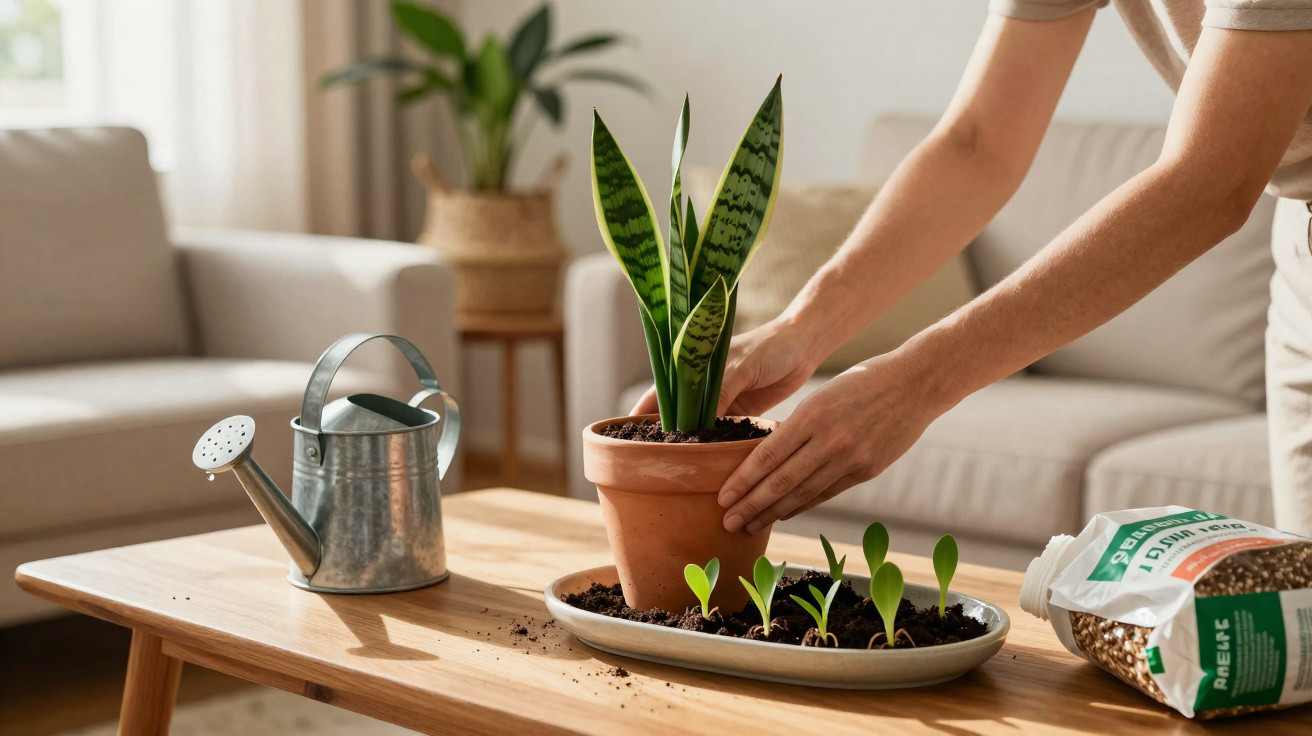
To learn practical methods for propagation and essential care of seedlings in household pots, watch the full demonstrations on the My Plants YouTube channel:
How do you recognise signs of excess moisture in aloe vera?
Spotting the earliest symptoms of waterlogging in foliage can prevent the complete loss of a specimen in the garden. If leaves begin to change texture, the grower should act quickly, altering the environmental conditions to preserve the structure of their favourite plant.
Watch for these vital signs
Yellow, soft leaves
The clearest indication that drainage has failed is a change in the consistency of the lower leaves: they lose their natural firmness and take on a translucent appearance.
This softness suggests that the cells are saturated with liquid, preventing essential nutrients from travelling properly throughout the stem.
To stop a rotting root from jeopardising the entire plant, daily visual checks become indispensable on balconies. It is essential to inspect the base of the soil regularly and watch closely for these practical signs of water-related problems:
- Green algae appearing on the soil surface.
- An unpleasant smell coming from the bottom of the pot.
- A sudden drop of leaves that had appeared healthy.
What are the best growing-medium mixes for drainage?
The soil composition directly affects how quickly water moves through the roots without pooling. Using porous materials when preparing the mix ensures excellent air circulation, creating an ideal setting for the development of healthy species in household pots.
Making a balanced blend requires simple ingredients that improve drainage and protect the plant structure from harmful fungi. To achieve the right texture in small spaces, carefully combine the recommended elements below:
- Coarse builders' sand to improve porosity.
- A light organic growing medium without compacted fibres.
- Fine small stones mixed in to form air channels.
How can foliage be kept healthy for a long time?
The final secret to long-lasting plants on balconies is keeping a close eye on local weather conditions. Adjusting watering frequency according to the seasons ensures that each specimen receives the care it needs without suffering stress from excess water.
Creating an airy, well-lit environment perfectly complements attention to water drainage from the container. As a result, your favourite foliage will grow strong, showing how small routine changes can bring excellent results for plant preservation.
Comments
No comments yet. Be the first to comment!
Leave a Comment