
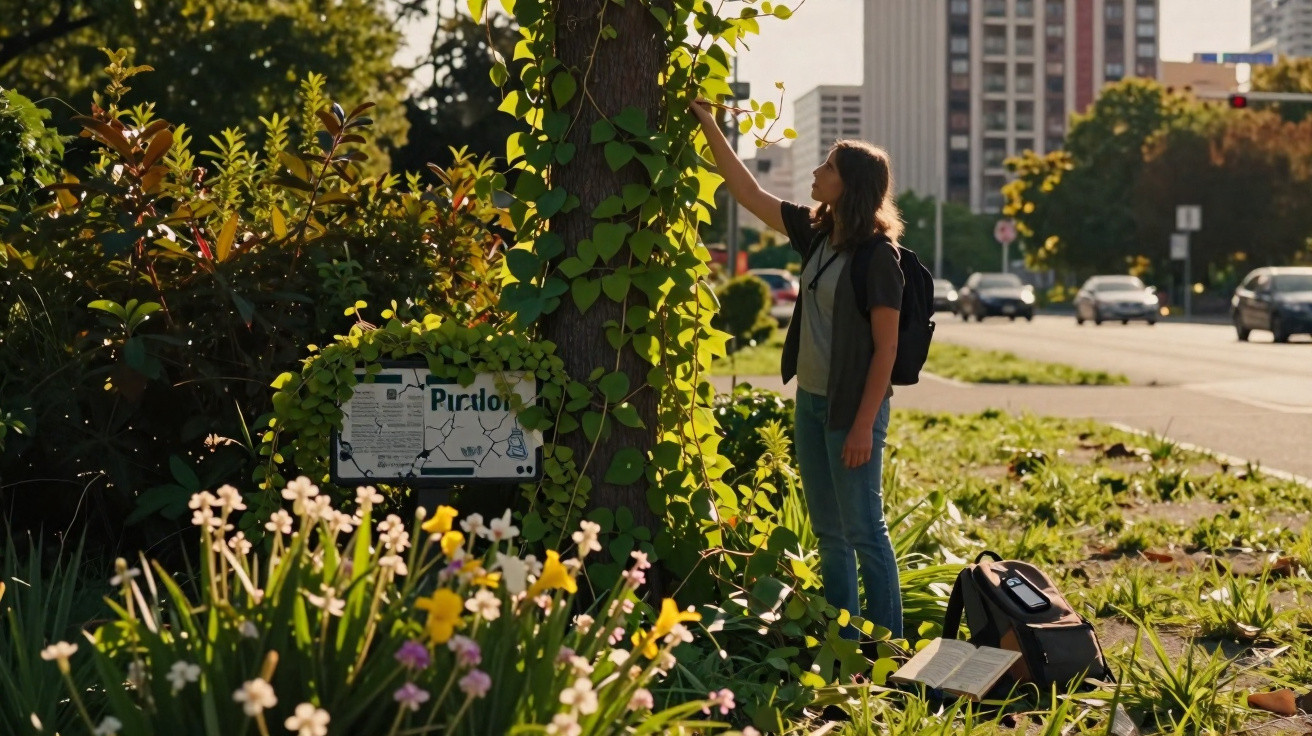
Plants worldwide are gradually changing, yet this shift often goes unnoticed. Species from other countries are becoming established in areas where they were previously absent.
Research led by the University of Vienna reveals the increasing scale of this issue and outlines how it could develop in the years ahead.
What are alien plants?
Alien plants are species transported by people from one location to another. They may be introduced through agriculture, horticulture or trade, and some thrive in their new environments before spreading independently.
Many invasive plants create serious difficulties. They may dominate land, displace native species, lower agricultural yields and even affect human health.
For instance, certain species trigger severe allergies. Scientists therefore regard plant invasion as a major global concern.
Where invasive plants grow today
Researchers examined 9,701 plant species from across the globe. They drew on extensive resources, including the Global Naturalized Alien Flora database and the Global Biodiversity Information Facility.
The team also assessed variables such as temperature, rainfall and land use. Using computer models, they identified where these species occur today and where they could become established in future.
This allowed the researchers to produce maps highlighting areas at greatest risk of plant invasion.
“Overall, we found that one-third of the global land surface is currently suitable for at least 10 % of these alien species, making these areas invasion hotspots, where many alien plants are expected to occur,” said Ali Omer, lead author of the study.
Most hotspots occur in warmer areas, including parts of Europe, North America and Australia. These regions provide favourable growing conditions for numerous plants.
Why human activity plays a big role
Human actions help these plants spread more easily. As land is cleared or cities are developed, native vegetation is lost, leaving open space in which new species can establish themselves.
Travel and trade also transport seeds between locations, raising the likelihood that alien plants will take root in unfamiliar regions.
Certain areas could already contain more invasive plants than records currently show, as scientists may still lack sufficient data.
How things will change in the future
“The results indicate that while the overall extent of hotspots may increase only moderately, their distribution will change substantially,” noted study senior author Franz Essl.
Although the overall number of hotspot areas may rise only slightly, their geographical locations are expected to shift. Hotspots will move towards cooler regions.
Consequently, places that are currently colder could experience greater plant invasion in the future. Meanwhile, extremely hot and dry locations may host fewer invasive plants.
Northern forests and polar regions, which presently have fewer alien plants, could soon support many newly introduced species. This may damage local ecosystems, as these areas are particularly sensitive and contain fewer species.
In these colder regions, even limited changes may lead to major consequences.
New plants will replace old ones
“Not only the location of the invasion hotspots but also the identity of invading species is expected to change,” said Omer.
“We expect a new set of alien plant species adapted to warmer conditions to invade many regions,” noted Essl.
In numerous areas, new species could displace those currently present. This could fundamentally alter the appearance and functioning of local ecosystems.
Temperature is the most important influence on where plants are able to grow. Warmer conditions enable more species to survive in places that were previously unsuitable.
Rainfall and soil conditions matter too, but temperature has the greatest impact. As the planet warms, a larger number of areas will become suitable for these plants.
Impact on people and nature
As these plants enter new locations, they may affect both people and the natural world. They can damage crops, decrease biodiversity and contribute to health problems.
Many newly identified high-risk areas are also densely populated, making the issue more serious.
The study provides a clear view of where the risks of plant invasion are currently greatest and where they could rise in future.
Its findings show that plant invasion is not a static issue: it continues to change alongside the climate and human activity. Recognising these shifts can help countries act sooner to safeguard both nature and people.





Comments
No comments yet. Be the first to comment!
Leave a Comment