
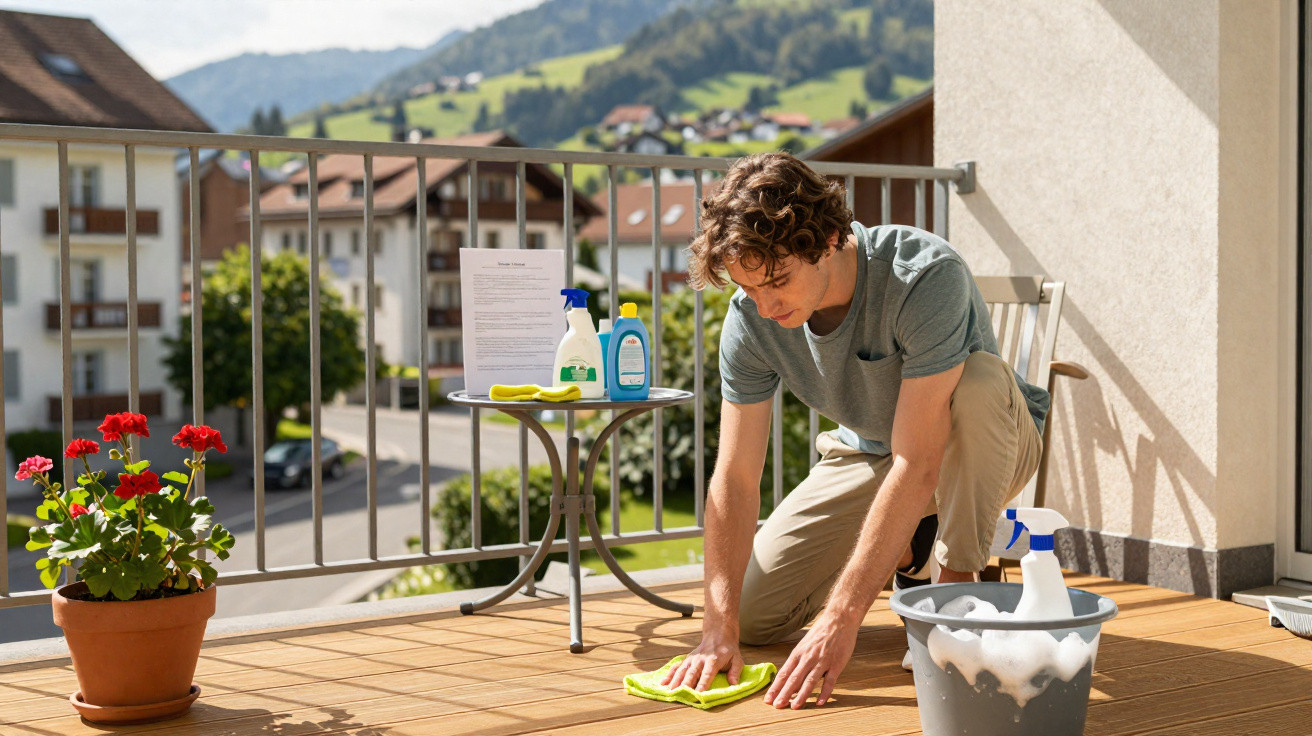
Living in flats in Switzerland requires an understanding of strict rules for day-to-day cohabitation. Proper upkeep of residential balconies calls for particular care to prevent disputes within the building. Understanding local legislation and respecting neighbours’ space are essential to harmony.
How do condominium rules work in Swiss apartment buildings?
Residential buildings in the country follow internal regulations traditionally known as the Hausordnung. This document sets out detailed rules for using both communal and private areas of the properties. Adhering to these standards prevents serious disagreements between residents and ensures the organisation of the building.
Peaceful cohabitation in shared settings is strongly supported by specific national laws. Article 684 of the Swiss Civil Code prohibits excessive actions that may harm another person’s property. As a result, everyday behaviour that causes discomfort breaches mutual respect within the condominium.
What happens when balconies are washed in Greece?
Water run-off from buildings on the Mediterranean coast conceals a surprising rule that directly affects public infrastructure and… Read more
Why does using a hose damage a building’s structure?
Improper use of hoses on upper floors can cause serious damage to the building. An excessive volume of water may seep into the external cladding, creating severe water ingress in the walls. This issue affects safety and harms the outer façade.
In addition to structural concerns, uncontrolled run-off directly affects the flats immediately below. Dirty water falling from the terrace soils neighbours’ windows and belongings. Looking after the property is a duty of the tenant in a rented flat.
Below is a video from the Jess – Gadgets, Gear, Coffee YouTube channel, which explores the points discussed in this topic in greater depth:
What legal penalties apply to people who ignore the restrictions?
Repeated failure to comply with condominium guidelines can bring serious legal consequences for the tenant. Under Article 257f of the Code of Obligations, residents must act considerately. Disregarding water-related rules can lead to warnings and the risk of termination.
Persisting with inappropriate conduct undermines the relationship between residents and the management. Disputes caused by repeated leaks often require intervention from property owners. Following collective rules protects the right to live with complete peace of mind.
Swiss Cleaning Kit
Permitted accessories
Use these practical items to clean the outdoor area without causing water ingress or soaking the flats below:
- A soft-bristled broom to remove all dry dust;
- A slightly damp cloth for cleaning surfaces and parapets;
- A thoroughly wrung mop to complete the cleaning of the floor.
How can the area be cleaned properly without using running water?
Outdoor areas can be cleaned effectively using carefully controlled methods. Starting by removing surface dirt stops debris from building up in corners. This straightforward approach maintains daily cleanliness without the need for a long hose.
Applying suitable products with the right accessories removes stains without excessive rinsing. Taking a considered approach safeguards the property and shows respect for neighbours. Ongoing care turns a domestic routine into an act of citizenship within the property.
Learn the main recommended steps for keeping the outdoor space spotless while following local regulations:
- Remove dust and dry leaves manually using suitable tools;
- Wipe surfaces and parapets with a slightly damp cloth;
- Use a bucket containing a controlled amount of water only to dampen the mop.
What are the benefits of respecting the local cohabitation routine?
Complying with rules set by the management strengthens community ties among residents. Avoiding incidents involving water ingress reduces friction and prevents repair costs. A responsible attitude ensures a harmonious environment and enhances well-being in the shared space.
Adapting to local customs has a direct effect on the quality of the living experience. Understanding the reasoning behind restrictions supports integration and avoids legal problems. Caring for the common good establishes exemplary conduct and promotes safety in the neighbourhood.






Comments
No comments yet. Be the first to comment!
Leave a Comment