
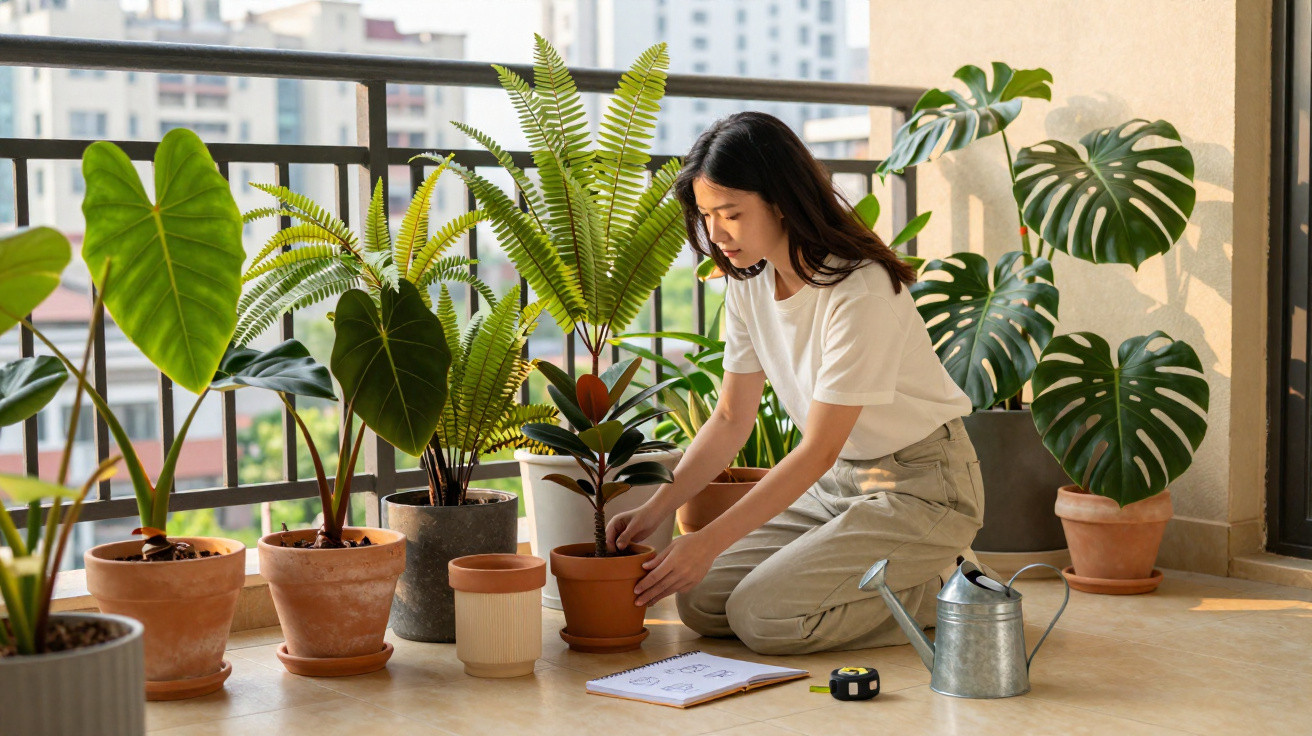
Creating a compact green space takes careful planning so it does not feel cramped or untidy. The key to balancing a smaller area is choosing species strategically, so they enhance the site's light and landscaping.
How can too many pots damage a small space?
Placing pots haphazardly in narrow areas makes the foliage compete for nutrients and sunlight, to its detriment. This common mistake restricts healthy growth while creating visual clutter that ruins the organisation planned for your garden.
Insufficient spacing also prevents air from circulating, encouraging opportunistic pests to appear on the leaves. Keeping species too close together stifles the air and makes efficient watering more difficult, leaving your daily care routine particularly complicated.
How can you create an elegant garden using just a few pots in your décor?
Many people believe that filling a space with plants makes it more attractive, but the latest landscaping trend shows that the secret… Read more
How should different shapes be used to showcase plants?
The most common mistake in balcony décor is grouping foliage with very similar outlines. When long, pointed leaves are placed together, they lose their individuality and become a dense green tangle with no visual appeal or highlight.
To address this, combine rounded leaves with varieties that are triangular or cylindrical in shape. This thoughtful mix breaks up visual monotony and ensures every species retains its own identity, creating a modern and highly elegant decoration.
Below, watch a video from the Minhas Plantas YouTube channel explaining how to arrange your plants wisely:
How can volume be applied simply?
Volume is a powerful technique based on displaying foliage at different height levels. By using stands or shelving, you can produce a stepped effect that helps all your favourite plants in the space receive light.
Varying the levels stops taller species from blocking smaller ones, ensuring sunlight reaches every leaf fairly. As a result, your compact area feels deeper, while the plants develop with far more vigour and health.
Leaf Shape Guide
Varieties to combine
To create an ideal arrangement in small spaces, aim to combine the following classic forms:
- Rounded or trailing leaves, which bring visual softness to the space;
- Cylindrical or geometric leaves, ideal for introducing bold lines;
- Long leaves with slender stems, perfect for creating lightness and transparency.
What care supports the development of each species?
As well as planning visual combinations, growing healthy plants in compact areas requires extra attention to air circulation. Still air in enclosed settings encourages fungi, which can quickly spoil foliage and harm your entire collection of species.
Another critical consideration is the amount of watering needed for every type of pot used in the garden. Shade-loving species prefer moderate moisture, whereas hardier plants need less water so excess liquid does not rot their system.
Here are the main practical tips for keeping your mini garden maintenance up to date:
- Position larger plants at the back so they do not cast unwanted shade;
- Choose iron or wooden stands to arrange pots in a stepped display;
- Carry out regular cleaning pruning to improve air and light flow.
How do you start planning your pot garden?
Before purchasing new seedlings, carefully assess the available space in your home and how much light it receives each day. This initial planning prevents impulse purchases and ensures you select only the perfect pots for your space.
Always remember that less is more when decorating compact areas professionally. Selecting fewer species that work harmoniously in shape and size will deliver a much better result, providing the beauty and lightness you want.
Comments
No comments yet. Be the first to comment!
Leave a Comment