
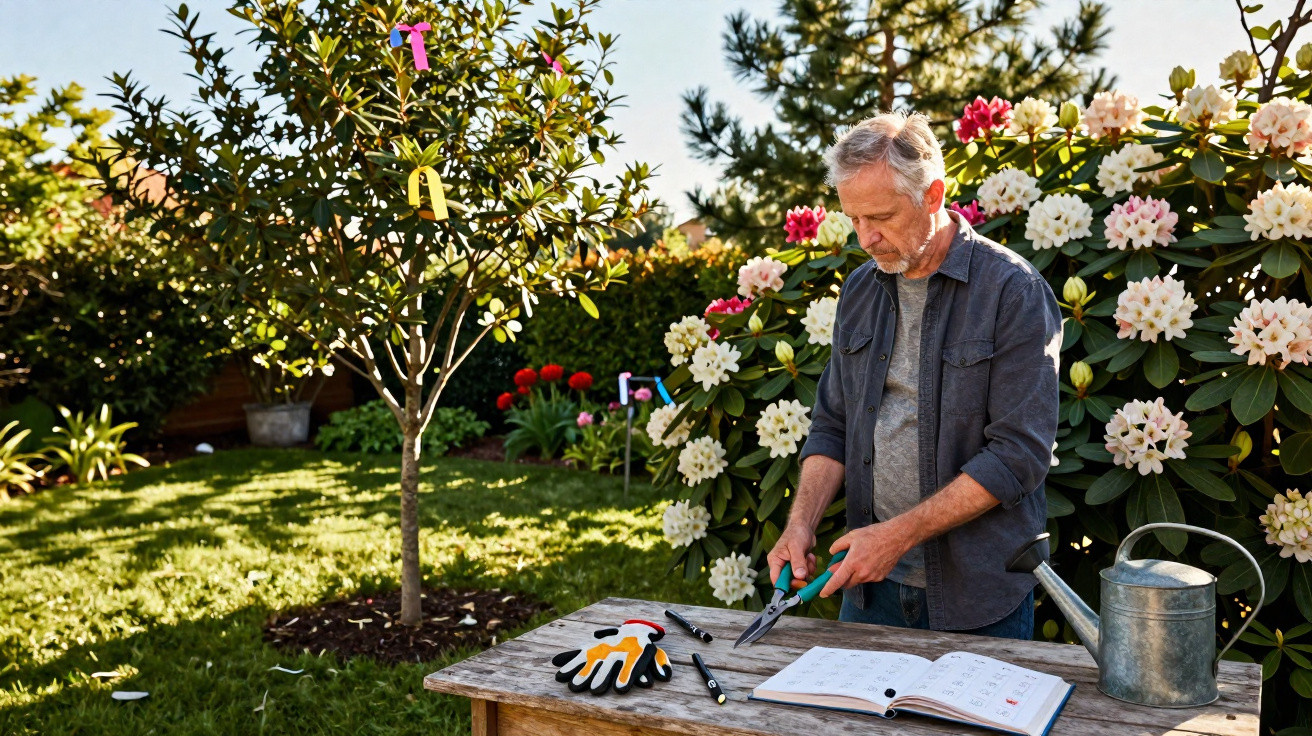
Pruning certain tree species incorrectly during the hottest months of the year can seriously harm plant health. Cutting branches without proper planning jeopardises the survival of the garden and weakens its natural resistance to heat.
Why do rhododendrons and hydrangeas lose flowers when pruned in summer?
The rhododendron forms buds for the following season as soon as its current flowering period ends. Pruning at this point removes the future flowers themselves, preventing the shrubs from renewing healthily and producing new buds.
Panicle hydrangeas undergo a very similar process, so even greater care is needed in hot spells. Premature removal of growth affects the shrub’s ongoing development, weakening different flowering varieties and increasing the water stress caused by high outdoor temperatures.
Which plant needs quick pruning in June?
Some species respond very well to minor preventative cuts right at the start of the season, encouraging the emergence of… Read more
How does pruning oaks and elms help pests to spread?
Handling trees such as oak requires the utmost attention on hot days. Cuts made at this time release substances that attract insects carrying fungi, making it easier for oak wilt to spread through open wounds in the bark.
A comparable issue affects elm trees, as heat increases the activity of beetles that transmit Dutch elm disease. Pruning outside the recommended period leaves the tree exposed to serious contamination and lethal diseases.
Below is a video from the Gardening Australia YouTube channel that explores the points discussed in this topic in more depth:
What are the dangers of cutting pine trees during periods of intense heat?
Pruning any pine species in summer causes an excessive loss of essential substances. When work is carried out in high temperatures, the pine releases large amounts of resin, weakening its structure and attracting pests that damage the trunk.
As well as this fluid loss, removing the top of the canopy leaves the inner needles directly exposed to scorching sunshine. This sudden thermal shock encourages severe burning of the leaves, causing premature yellowing and faster loss of foliage.
Care for Sensitive Plants
Effects of Improper Summer Pruning
Three crucial reasons to avoid cutting during periods of intense heat:
- 1: Unnecessary loss of flower buds, which ensure the next flowering season;
- 2: An immediate rise in water stress and the risk of burning;
- 3: The creation of entry points for fungal vectors and pests.
Which alternatives maintain the garden without damaging plants?
Rather than pruning structural branches at the height of summer, concentrate on removing dead and dry material. This straightforward cleaning keeps the planting tidy without exposing living tissue or disrupting the species’ internal irrigation.
Postponing drastic work until late autumn allows all vegetation to recover properly. In the hot months, give priority to light supporting tasks, such as balanced fertilisation and continually covering the soil to retain moisture.
Follow these recommended practices to keep your plants healthy at this time of year:
- Remove only dry or diseased branches to preserve the plant’s strength;
- Apply mulch around the trunk to retain the required moisture;
- Water regularly and deeply during the coolest parts of the day.
When is the right time to prune each of these species?
For early-flowering species, pruning should be carried out immediately after the flowers have finished in spring. Large trees and conifers, meanwhile, respond best to work undertaken during winter dormancy, which prevents sap loss.
Following the natural timetable of each cultivar is the most effective way to protect branches and secure abundant flowering. Understanding its individual requirements throughout the annual cycle strengthens cultivation and preserves the health of your garden.





Comments
No comments yet. Be the first to comment!
Leave a Comment