
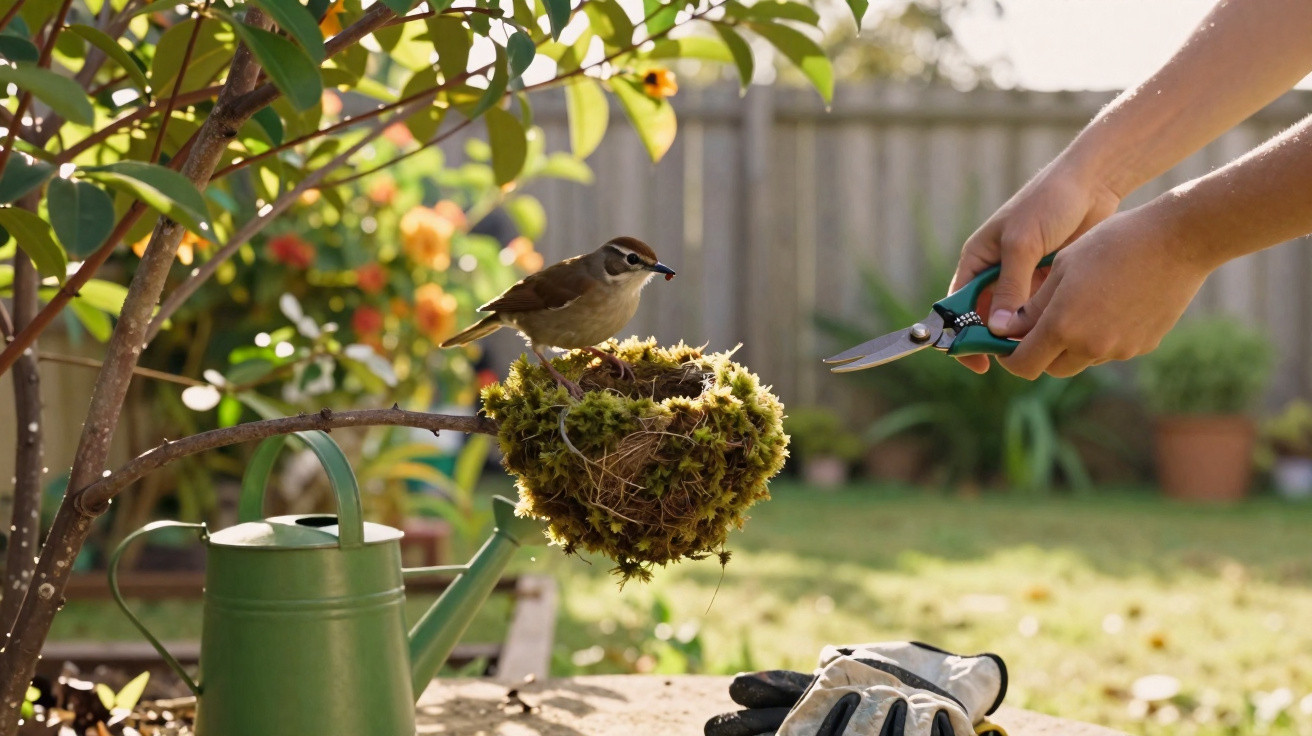
Finding a rufous-bellied thrush moss nest in the garden is likely to catch any homeowner’s eye. Watching the bird fly in and out with twigs and food shows that the site is more than a simple resting place: it points to an environment with enough food, shelter and breeding resources, something increasingly uncommon in densely built-up urban areas.
What does the presence of a rufous-bellied thrush in the garden reveal?
The rufous-bellied thrush (Turdus rufiventris) is widespread across Brazil and has adapted well to gardens, parks and backyards. Before selecting a nesting site, it assesses whether the area is peaceful, has insects, fruit and water available, and provides a degree of protection from predators and frequent disturbance.
A completed nest that is actively used suggests the garden meets the basic requirements for the breeding cycle, from egg-laying until the young birds leave the nest. Because it also feeds on fruit, the thrush disperses seeds, supporting vegetation regeneration and helping to sustain small green fragments in urban settings.
Why is a rufous-bellied thrush moss nest seen as an indicator of environmental quality?
A rufous-bellied thrush moss nest generally indicates a reasonably balanced garden ecosystem. Moss, fine roots, twigs and dry leaves help create a stable microclimate around the eggs, keeping temperature and moisture levels more regulated and improving the likelihood of successful breeding.
As well as adding birdsong to the surroundings, the thrush helps control pests naturally by eating insects and larvae. Gardens selected by this bird commonly have features such as:
- A good variety of plants, including trees, shrubs, lawns or leafy ground cover;
- Plentiful insects and small invertebrates that provide food for adults and chicks;
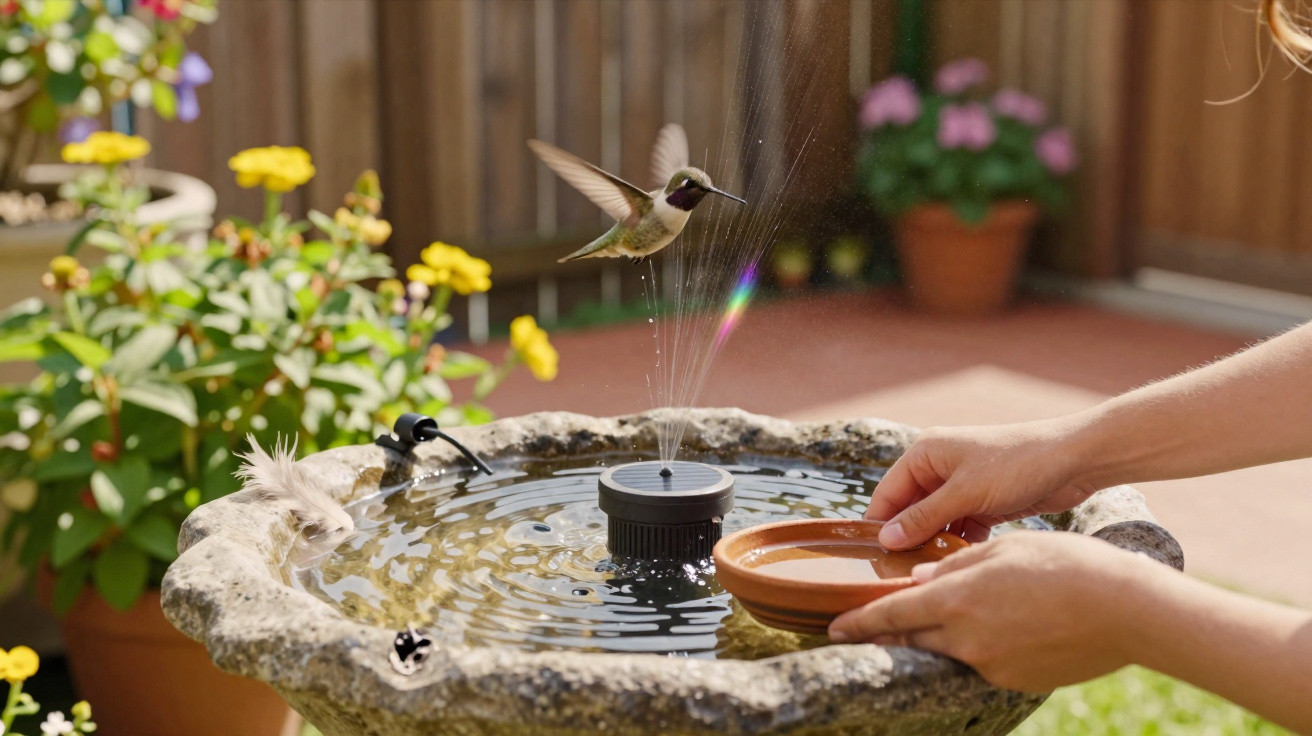
- Water sources, such as puddles, taps, bird baths or damp soil;
- A relatively peaceful setting, with less sudden movement from people and domestic animals.
How can you protect the nest and encourage the rufous-bellied thrush to return?
Keeping the nest safe means avoiding excessive approaches, close-up photography or touching the structure, as these actions can cause the birds to abandon it. Where possible, limit foot traffic near the nest, particularly when the adults are feeding their chicks most frequently.
It is also important to prevent inquisitive cats and dogs from reaching the area, as they may knock down or damage the nest. Put off major pruning and minor building work during the breeding season, and keep native fruiting plants and clean water points in the garden. These measures increase the chance that the thrush will return in later years.
What everyday care is needed when living alongside the nest?
Living with an active nest requires only small changes to everyday routines and avoiding major disruption. Loud sounds close to the nest, bright lights directed at it after dark, and excessive pesticide use can affect both the birds’ behaviour and their food supply.
Encouraging children to watch from a distance, maintaining the garden through more ecological methods and respecting the length of the breeding cycle allow the chicks to fledge safely. Once this happens, the homeowner knows the space provided the minimum conditions the species needed to breed and is more likely to become a place it returns to in future seasons.
Comments
No comments yet. Be the first to comment!
Leave a Comment