
Looking after your home’s outdoor space on warm days calls for attention to the small visitors seeking shelter among the flowers. Providing suitable resources at this time supports the survival of magnificent species and turns your environment into a genuine natural sanctuary.
How can you set up the ideal bird bath in the garden?
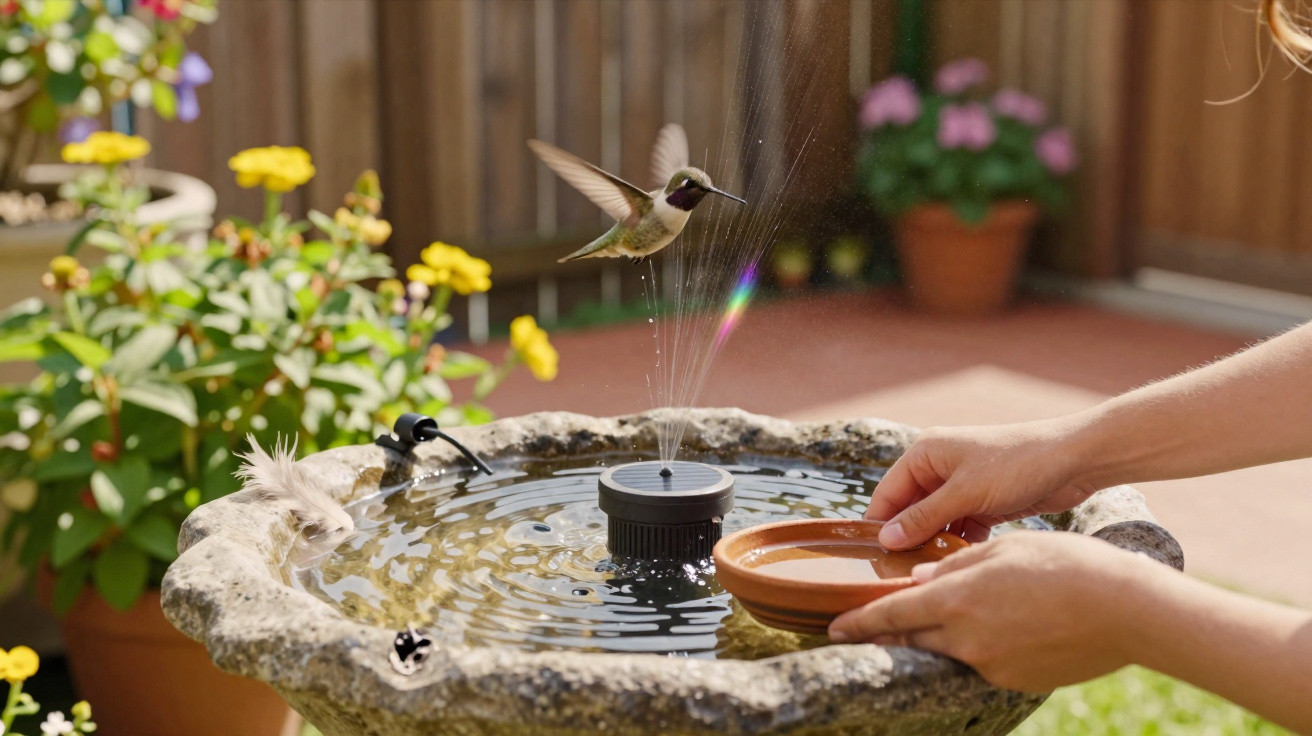
Creating a clean water feature can draw a range of animals while also making the outdoor area look remarkably attractive. A well-designed bird bath, placed in a shaded part of the lawn, stops the water from becoming excessively warm in the strong afternoon sun.
To make this decorative yet practical feature work well in your garden, several essential precautions need careful attention. Here is a detailed set of practical tips for improving this water feature and attracting the delightful hummingbird in complete safety:
- Shallow depth: Keep the water level low to prevent accidents.
- Daily cleaning: Wash the container regularly to prevent fungal growth.
- Strategic placement: Set it close to dense foliage, where birds can find secure shelter.
What does the Planeta Aves channel teach about these species’ habits?
Careful observation of wild bird behaviour makes it easier to plan the arrangement of pots and feeders around the veranda. Understanding their feeding routine and ongoing search for small arthropods helps create a welcoming, highly attractive space.
To expand your practical knowledge of preserving these small, fascinating flying creatures from the comfort of your own home, watch the excellent video produced by the Planeta Aves YouTube channel. It explores interesting facts and vital aspects of daily management.
Why is a solar sprayer essential on hot days?
Controlling moisture across each flower bed promotes the cool conditions small birds need when resting on sunny afternoons. Fitting accessories that keep water moving continuously can entirely change the ornamental feel of a patio decorated with care.
Sustainable technology for outdoor water features
Using a solar sprayer in the garden
Maintaining constant water movement attracts wild birds through the soothing sound of moving droplets.
This continuous aeration prevents mosquitoes from laying eggs on the surface, keeping the setting consistently healthy.
Adding a convenient floating solar sprayer can greatly improve the quality of water available to the wild animals visiting your property. Below are the main ecological benefits this modern device brings to your maintenance routine:
- Complete energy savings through autonomous operation powered by sunlight.
- Immediate visual appeal from the moving decorative fountain.
- A drastic reduction in the build-up of impurities and debris on the surface.
How do bird feathers help with nest construction?
In the spring breeding season, females intensify their search for suitable materials to line their shelters. Leaving small clusters of soft plant fibres around tree branches makes this demanding work of natural architecture much easier.
Gathering delicate materials, such as plant silks and old fallen bird feathers, helps create an ideal supply for birds. Here are some effective ways to organise and offer these materials in the garden in a fully hygienic way:
- Use small hanging wire baskets to hold unbleached cotton threads.
- Place dried moss and dehydrated leaves near flowering young plants.
- Keep the materials out of direct rain to prevent early mould growth.
Which plants and extra care ensure regular visits in May?
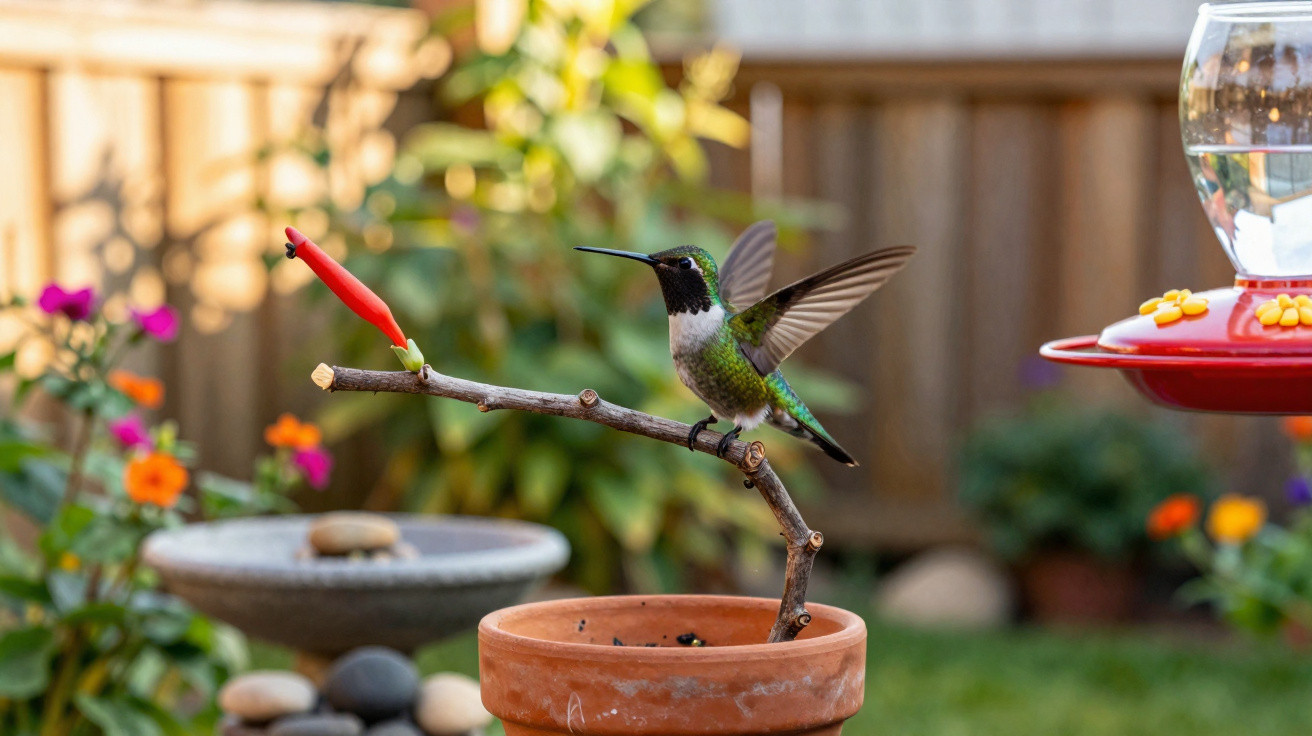
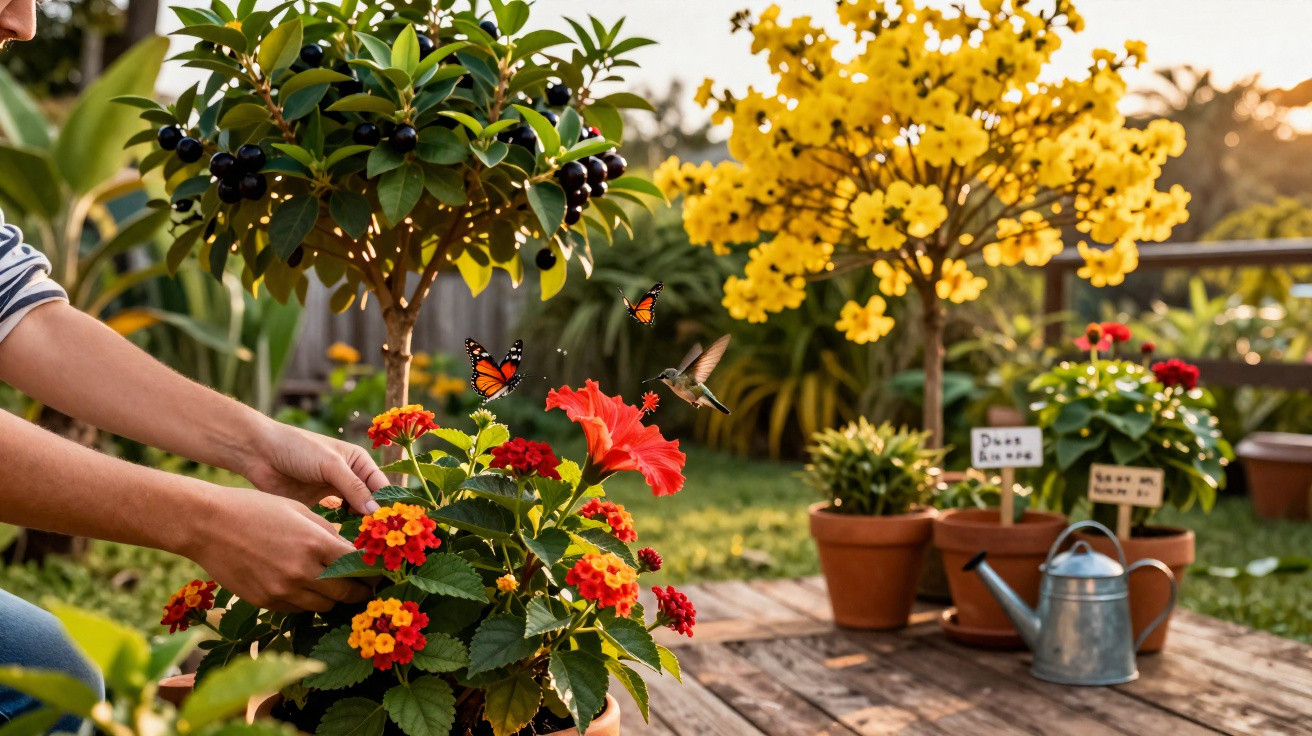
Growing flowering species with tubular shapes and vivid colours is the key to transforming the landscape around your home. Planned planting provides a steady supply of plentiful, fresh nectar, sustaining these small creatures with vital energy.
Cleaning every feature each day and replacing the sugar water prevents the spread of micro-organisms that can harm bird health. Keeping this ongoing commitment to animal welfare ensures an outdoor area that remains harmonious and full of remarkable birdsong.
Comments
No comments yet. Be the first to comment!
Leave a Comment