
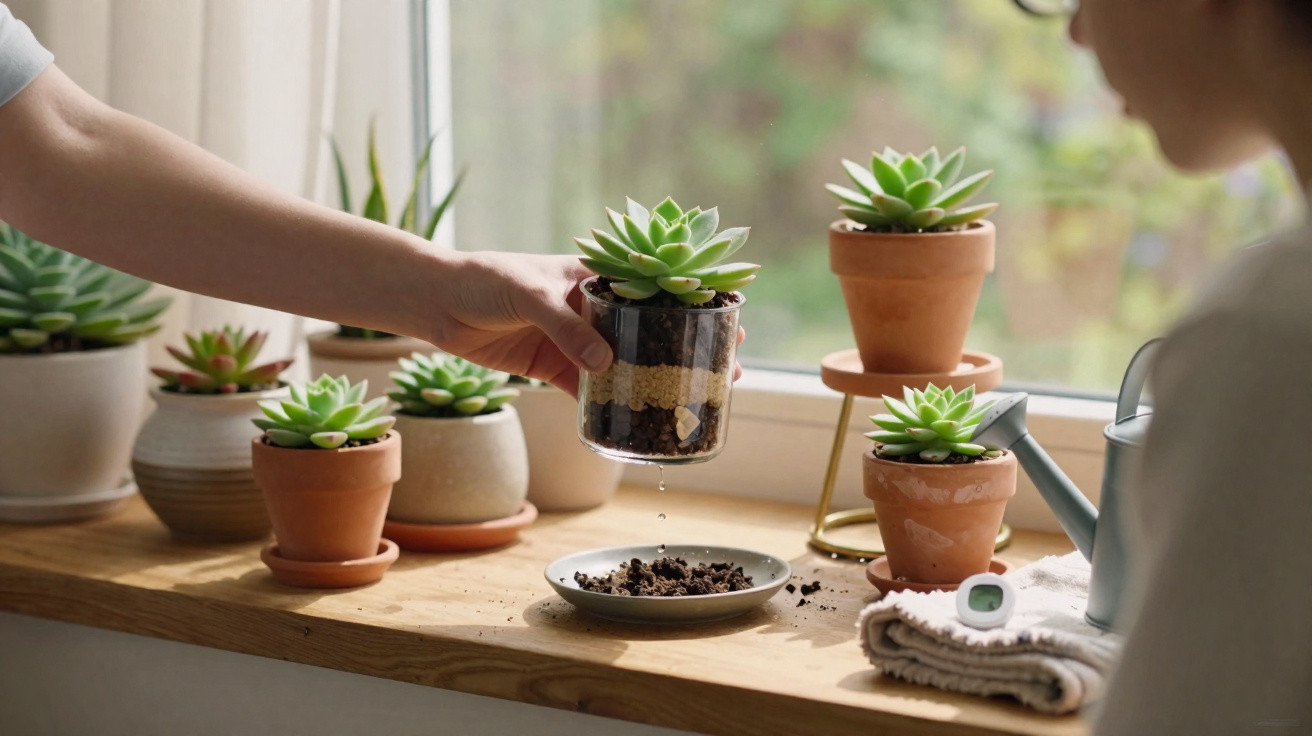
Bringing small green living things into indoor spaces adds a distinctive sense of harmony to modern everyday life. Even so, many people continually struggle to keep their succulents healthy. The key to success lies in one crucial detail: effective drainage.
How can you tell when plants genuinely need water?
A busy routine can lead to serious mistakes in daily care. Watering the compost without first checking its moisture level can be fatal for sensitive species. Before any further watering of the chosen pot, it is essential to look for signs in the leaves.
To prevent harmful water build-up, a few small corrective measures can make all the difference to plant development. We have set out practical guidance to help maintain the ideal balance in your routine. Review the following list to adjust your home growing habits effectively.
- Sherwood
Check the compost: Put your finger into the compost before adding water. - Natural light: Place the plant near a well-lit window.
- The right amount: Do not leave saucers full beneath the container, as this can cause rot.
What is the greatest risk of constant waterlogging?
Too much moisture prevents oxygen from circulating properly through compacted compost. Without this vital element, fine roots can quickly suffer severe damage. Choosing a good, lightweight substrate is essential to ensure the longevity of this delicate vegetation.
Symptoms of rot are often mistaken for a lack of regular watering. Yellow leaves show that water is collecting at the bottom of the container. Adjusting your daily checks helps prevent the premature loss of your favourite specimen in this ornamental arrangement.
To see the proper hydration technique and learn practical growing secrets, watch the full explanations on the Cultivando YouTube channel, which demonstrates the step-by-step process for caring for your pet plant in detail:
How can you ensure perfect lighting indoors?
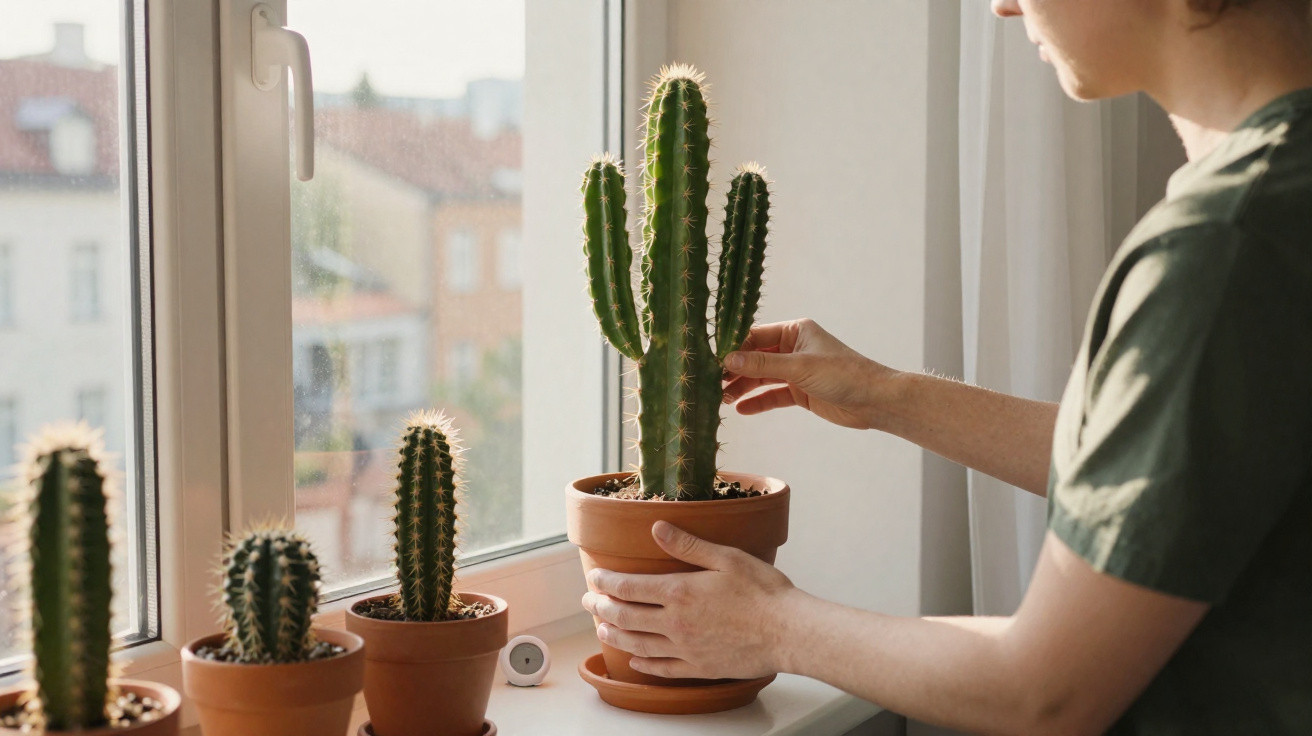
Natural brightness is a vital foundation for the survival of these species in indoor settings. Placing pots close to a window provides the energy required for daily photosynthesis. Good lighting stops the plant’s structure from losing its original appearance.
Ideal brightness for indoor environments
How to position them correctly
Avoid placing pots in dark corners or areas without adequate air circulation. Direct sunlight filtered through a thin curtain is usually the ideal setting.
Check the leaves’ behaviour every week to spot any indication of legginess. If you notice the stem becoming elongated, move the plant straight away.
To improve the urban placement of your houseplants, a few simple space-organisation practices can make a substantial difference. Below, we have gathered key points for a successful arrangement. Consider these important structural care measures to enhance your verdant work environment.
- Keep them strategically close to open windows.
- Avoid entirely shaded, damp locations.
- Turn the container regularly to provide even light.
Why does the choice of container affect cultivation?
The container’s size and material determine how quickly the compost dries. Ceramic models tend to absorb some moisture, helping to manage water levels. This sensible choice prevents rot and encourages much healthier growth.
Small pots without drainage holes can dangerously retain water, destroying the root system within a few days. It is vital to choose suitable containers that allow excess water to escape. Discover the main features to consider when selecting the best model for your collection.
- Drainage holes at the base are essential.
- Use an internal drainage liner.
- Add a layer of expanded clay at the bottom.
How can you maintain a practical care routine?
Creating a flexible schedule based on real observation saves time and prevents fatal mishaps with your plants. Rather than following strict calendar rules, assess the weight of the pot regularly. This simple practice supports full development and brings greater harmony to everyday life.
Finally, remember to remove dust that has built up on the leaves to improve indoor light capture. Small, ongoing adjustments turn cultivation into a relaxing activity during busy days. Enjoy this refreshing connection by encouraging natural wellbeing in your preferred space.
Comments
No comments yet. Be the first to comment!
Leave a Comment