
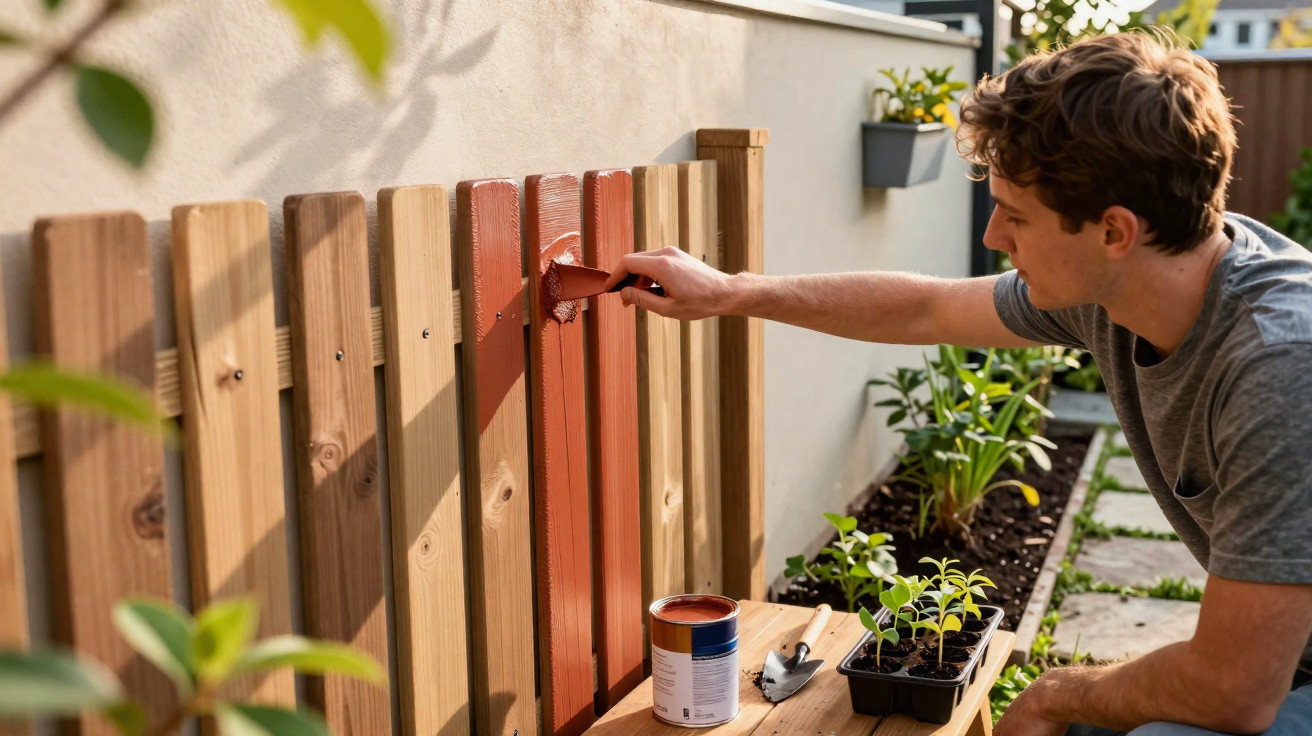
Transforming the outdoor atmosphere of your home calls for smart choices that make the most of the available space. A carefully planned coat of paint can completely refresh the appearance of your plants, immediately creating a more sophisticated, orderly and welcoming setting for the whole family to enjoy outdoors.
How should you plan your outdoor area renovation?
The first stage of any decorative update is choosing materials that can withstand the weather. Applying white acrylic paint to rustic surfaces creates a neutral backdrop that brings out the natural beauty of the flowers.
This aesthetic improvement brightens shaded parts of the garden and gives an impression of greater space. Before painting, assess the condition of the structure and clean the entire surface to ensure the product adheres properly.
- Initial preparation: Sand the structure thoroughly to remove splinters and deeper imperfections.
- Even application: Apply two generous coats, allowing the stated drying time between them.
- Plant contrast: Place leafy species close to the newly painted base to make their green foliage stand out.
What visual effect does a treated wooden fence create?
Installing an attractive wooden fence provides an elegant frame for your flower bed. It defines the area subtly, creating a balanced relationship between the home’s architecture and the lush surrounding nature.
Following detailed practical tutorials helps you understand the care needed to complete this decorative transformation without mistakes. You can view the full step-by-step guide to aesthetic harmony in content from the Canal da Poeira YouTube channel:
How can you coordinate features in a small garden?
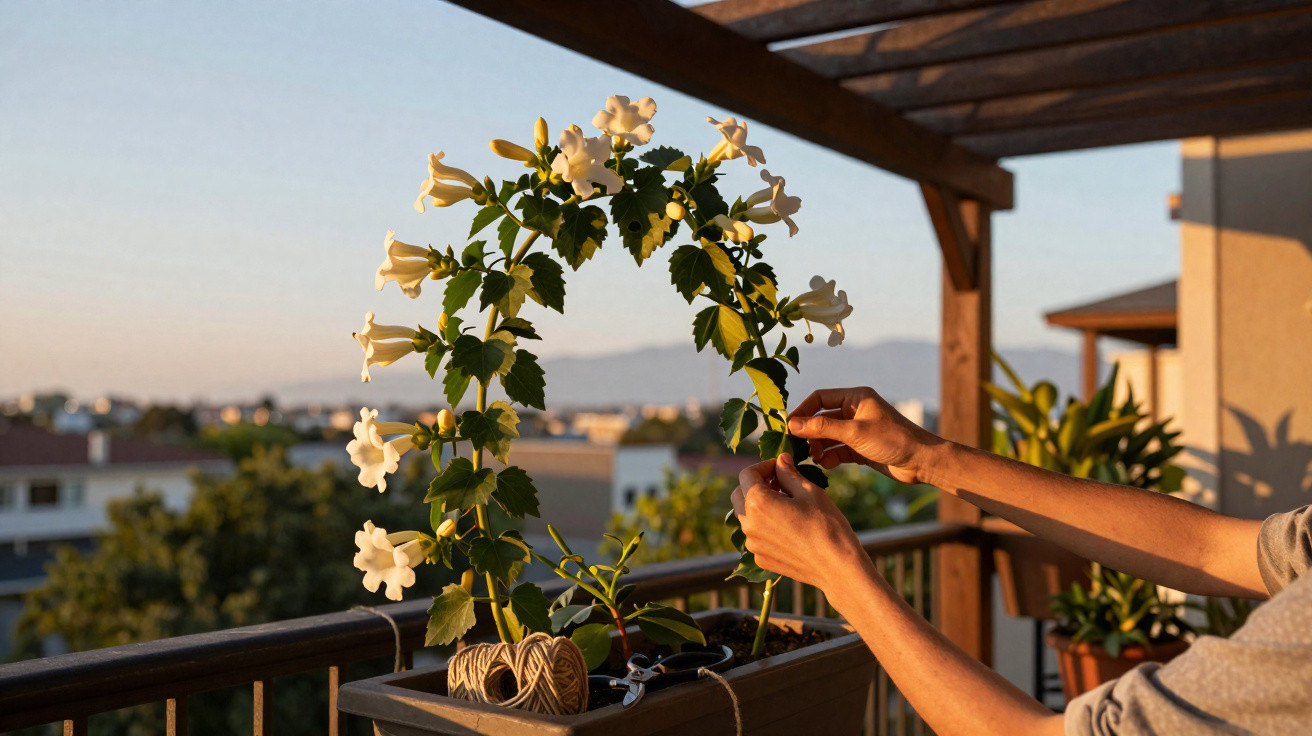
Managing the available room requires creativity when arranging each pot without making the setting feel overcrowded. In a small garden, vertical planting is an excellent practical option, allowing attractive supports to be fixed directly onto brickwork dividers or treated timber.
Optimising Outdoor Spaces
Making the Most of Your Narrow Garden
Growing flowers in compact places requires careful planning when selecting containers. Hanging pots preserve circulation space while creating elegant focal points at eye level for anyone walking through the area.
Using pale colours on vertical surfaces reflects the morning’s natural light. This straightforward approach improves photosynthesis conditions and creates a reassuring sense of visual depth.
Using organised niches makes everyday watering and regular feeding easier to manage. Creating a symmetrical arrangement with varied sizes produces a dynamic scene, in line with the practical suggestions below:
- Use rectangular planters to make the most of the length of pathways.
- Add small shrubs in the corners to soften straight lines.
- Group species with similar sunlight exposure and watering requirements.
How should you choose and grow new plant seedlings?
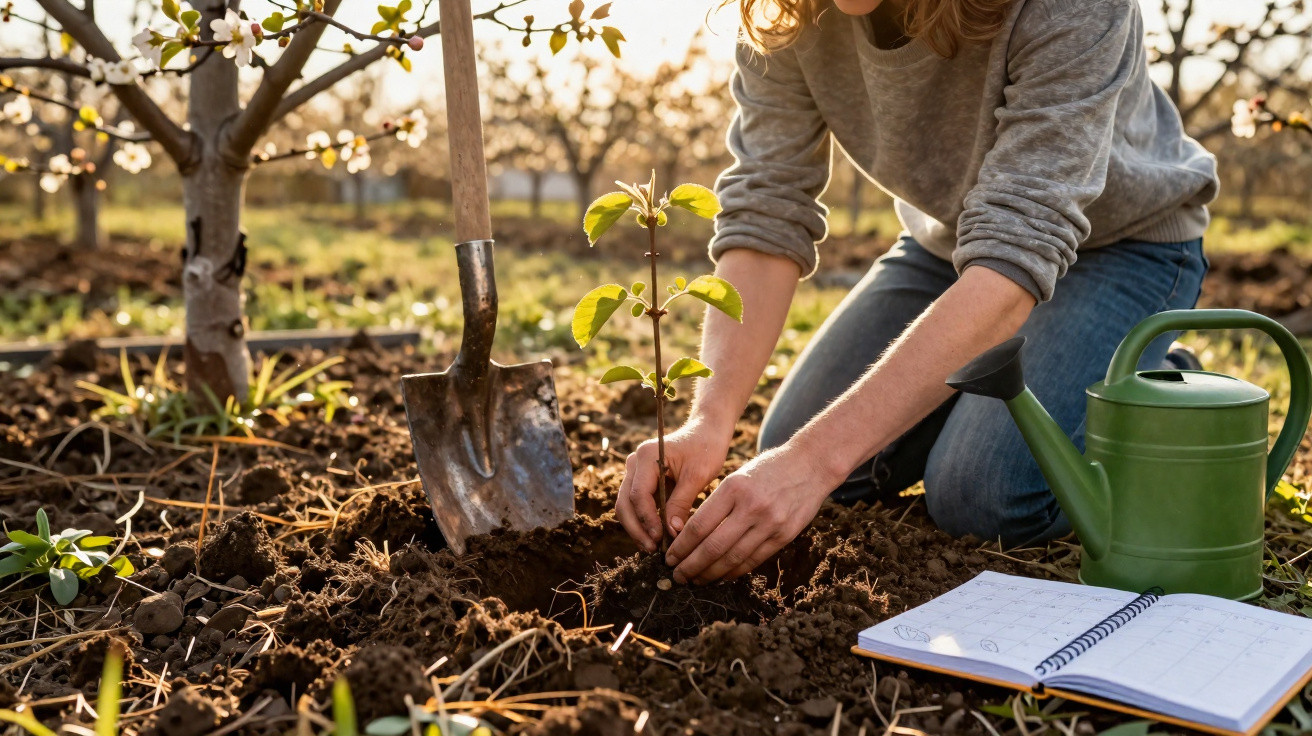
The choice of species determines the long-term success of your home landscaping project. When buying new plant seedlings, always check that the roots are healthy and that the main stems are firm.
Placing these species in nutrient-rich soil supports healthy growth and flowering. We have set out several essential guidelines for safe planting in your new flower bed, helping to ensure successful development:
- Create an effective drainage layer with expanded clay at the base.
- Add good-quality organic compost to strengthen young roots.
- Water moderately immediately after transplanting to settle the fresh soil.
Why should you maintain a regular garden-care routine?
Consistent basic care preserves the beauty achieved through your decorative efforts. Spending a few minutes each week removing dry leaves helps prevent pests, keeping your green space vibrant and healthy.
Making time for this activity in the morning can provide deep relaxation amid a busy routine. Small, ongoing actions ensure that your outdoor décor remains immaculate, enhancing the property and giving its residents a sense of pride.

Comments
No comments yet. Be the first to comment!
Leave a Comment