
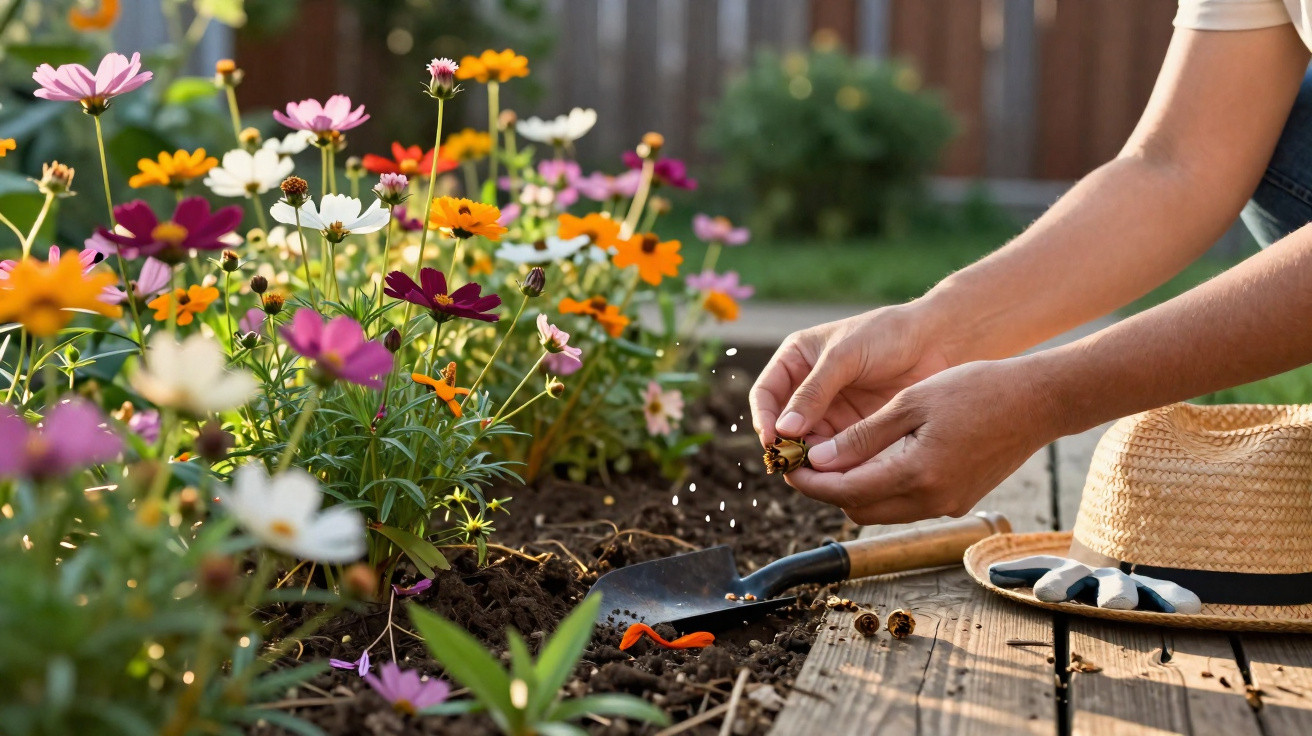
A flowering garden that does not require fresh planting every season is the aim of many gardeners. Certain species have a particularly useful trait: they produce seeds that naturally fall to the ground and sprout in the following season, a process known as self-seeding. With minimal care, these flowers keep borders colourful, attract pollinators and reduce the maintenance needed in the garden.
How do flowers that self-seed naturally work?
Once flowering has finished, these plants produce seeds that stay in the soil until conditions are right for germination. For many species, winter cold or seasonal rainfall helps trigger this process, so new seedlings emerge of their own accord the following year.
This habit makes a garden more dynamic and cost-effective. As well as limiting the need to buy new plants, self-seeded plants often adapt more readily to the local soil and climate. They also support the presence of bees, butterflies and other pollinators.
Which flowers return every year without replanting?
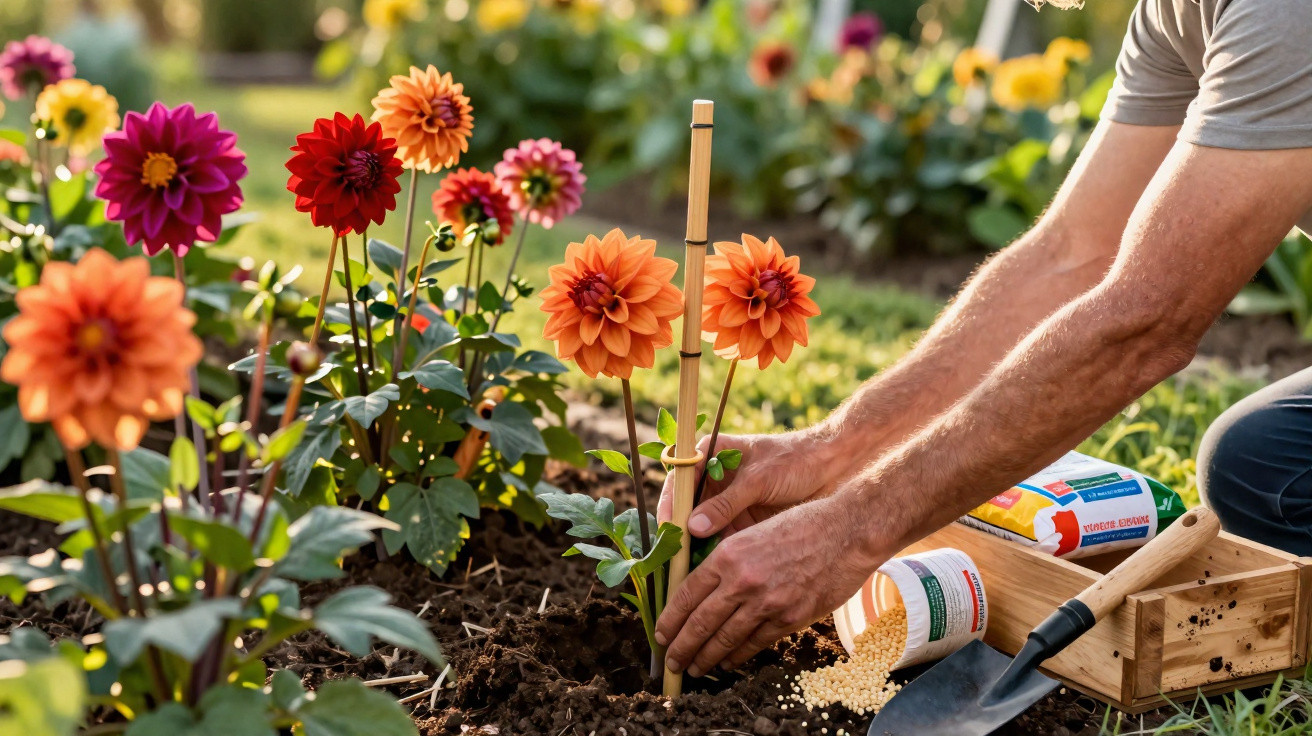
Several species are well known for their ability to self-seed easily. Some are annuals that leave seeds for the next season, while others are biennials or short-lived plants that keep the garden in bloom through their new shoots.
Grown in suitable conditions, they can create increasingly dense drifts over the years.
- Calendula
- Borage
- Poppy
- Forget-me-not
- Columbine
- Foxglove
- Sea holly
How can you encourage these flowers to reappear?
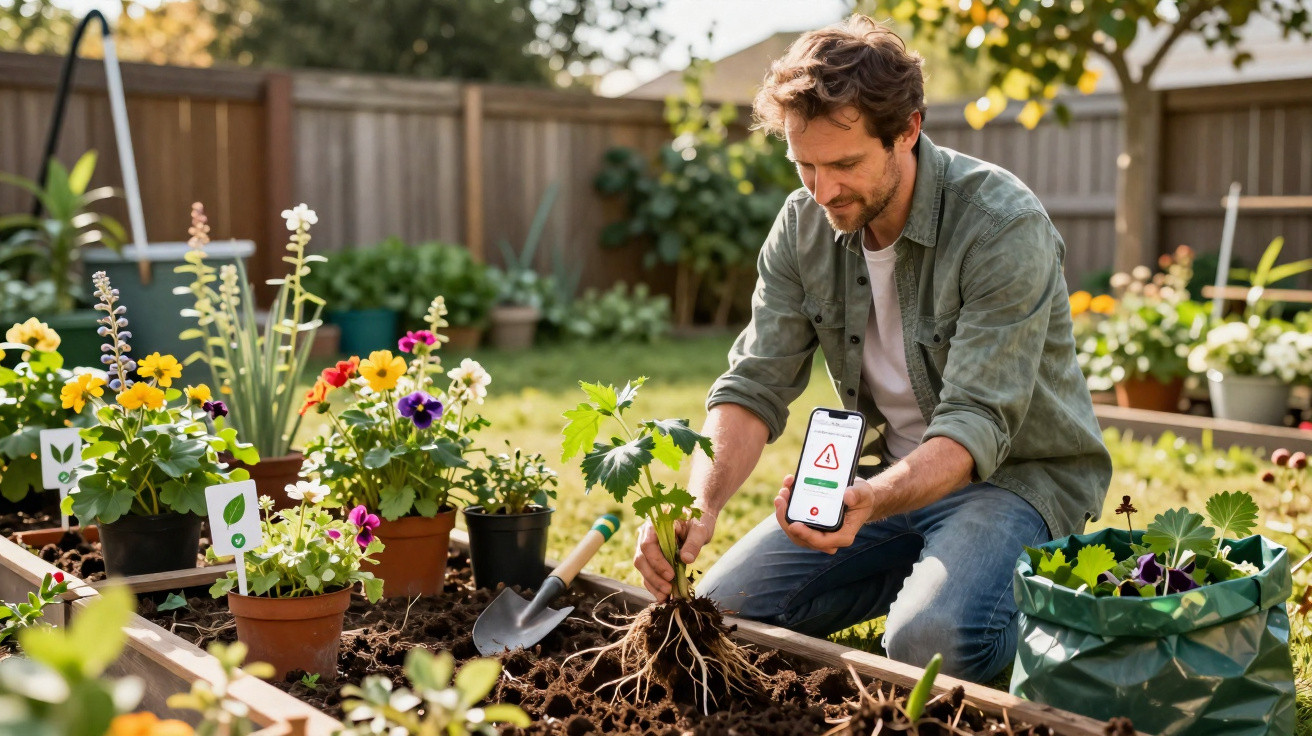
To allow the natural cycle to take place, avoid removing every spent flower immediately after flowering. Leave some on the plant until their seeds have ripened and dropped onto the soil.
It is also advisable not to use an excessively thick layer of mulch in areas where you want new seedlings to emerge. In spring, simply remove or transplant any seedlings that have appeared in excess to keep the borders tidy.
- Allow some flowers to set seed
- Avoid clearing borders completely at the end of the season
- Do not cover the soil with an overly thick layer of mulch
- Identify seedlings before removing them
- Transplant plants that have emerged in unsuitable places
- Keep very vigorous species under control to prevent too many seedlings
Is it worth growing flowers that self-seed?
For anyone wanting an attractive garden with less work, these species are excellent allies. In addition to cutting the cost of buying new plants, they create a more natural look and increase biodiversity in the space, benefiting pollinating insects and other organisms that are important to the garden’s balance.
With a little planning and observation, these flowers can turn borders into lively spaces that are renewed each year, with almost no need for fresh planting.
Let nature do the work for you
By choosing flowers that self-seed naturally, you can create a garden that renews itself almost unaided every season. With a few simple measures and respect for the plants’ cycle, it is possible to enjoy borders that become more colourful and full of life, while spending less time and money on replanting.
The result is a garden with beauty, biodiversity and practicality, giving you more time to admire the flowers than to replant the borders.
Comments
No comments yet. Be the first to comment!
Leave a Comment