
The real answer lies elsewhere in the garden.
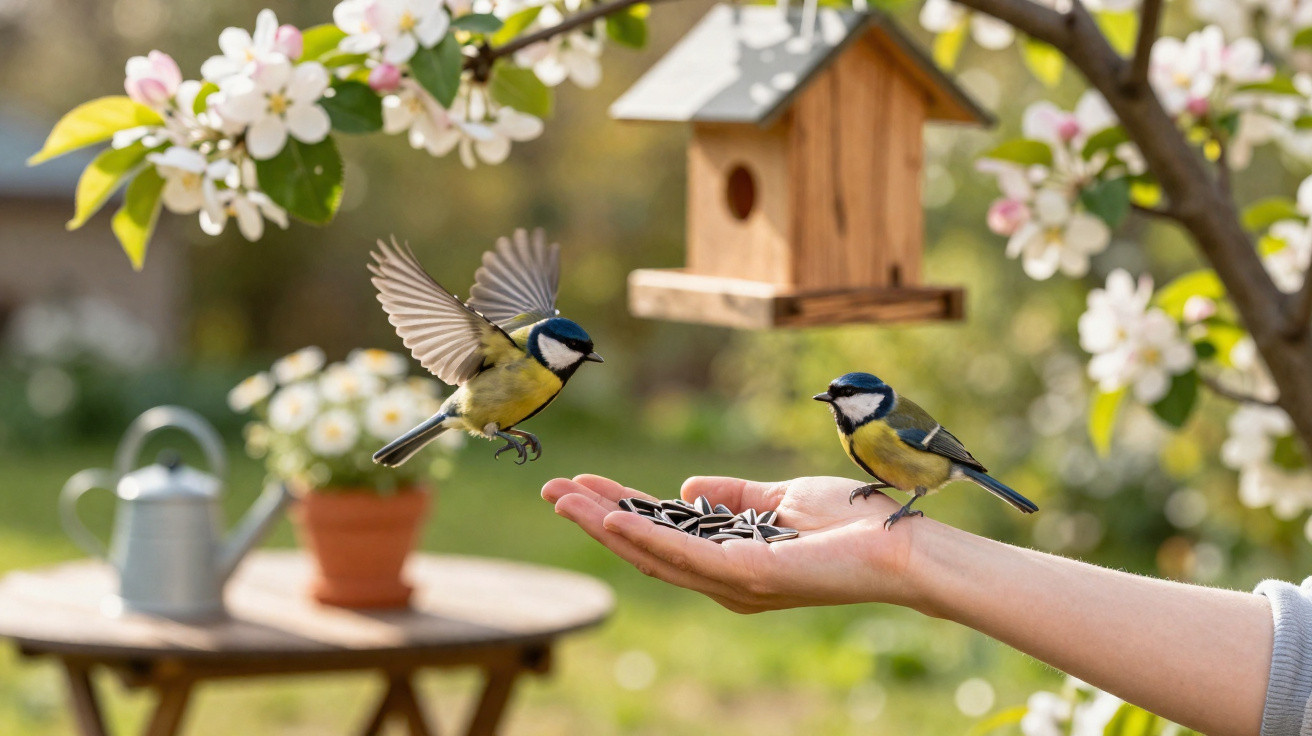
Anyone hoping to hear birdsong outside the window in the morning will often first think of brightly coloured bird feeders from the garden centre. They offer a short-term helping hand, but they do not create a genuine habitat. Native garden birds need more than seeds: they require food, shelter and water as a complete package. A few well-chosen changes can turn an ordinary garden into a lasting refuge.
Why conventional bird feeders are only a stopgap
Seed dispensers and fat balls may provide lovely winter snapshots, yet they do not address the underlying issue: the garden itself often contains too little natural food. Many plots are overly tidy, filled with non-native plants that offer neither fruit nor insects, alongside closely mown lawns. In the long term, this is little more than a barren desert for birds.
“A garden that feeds itself attracts far more species than even the most expensive feeding station.”
Birds follow a simple rule: they stay where food, cover and water are available throughout the year. Where something is put in a feeder only during winter, they may visit briefly before disappearing again. Anyone who truly wants to watch a wide range of feathered visitors therefore needs to consider the entire garden, rather than just one pole with a feeder.
Three berry-bearing shrubs: the foundation of a natural buffet
A living store cupboard instead of a plastic dispenser
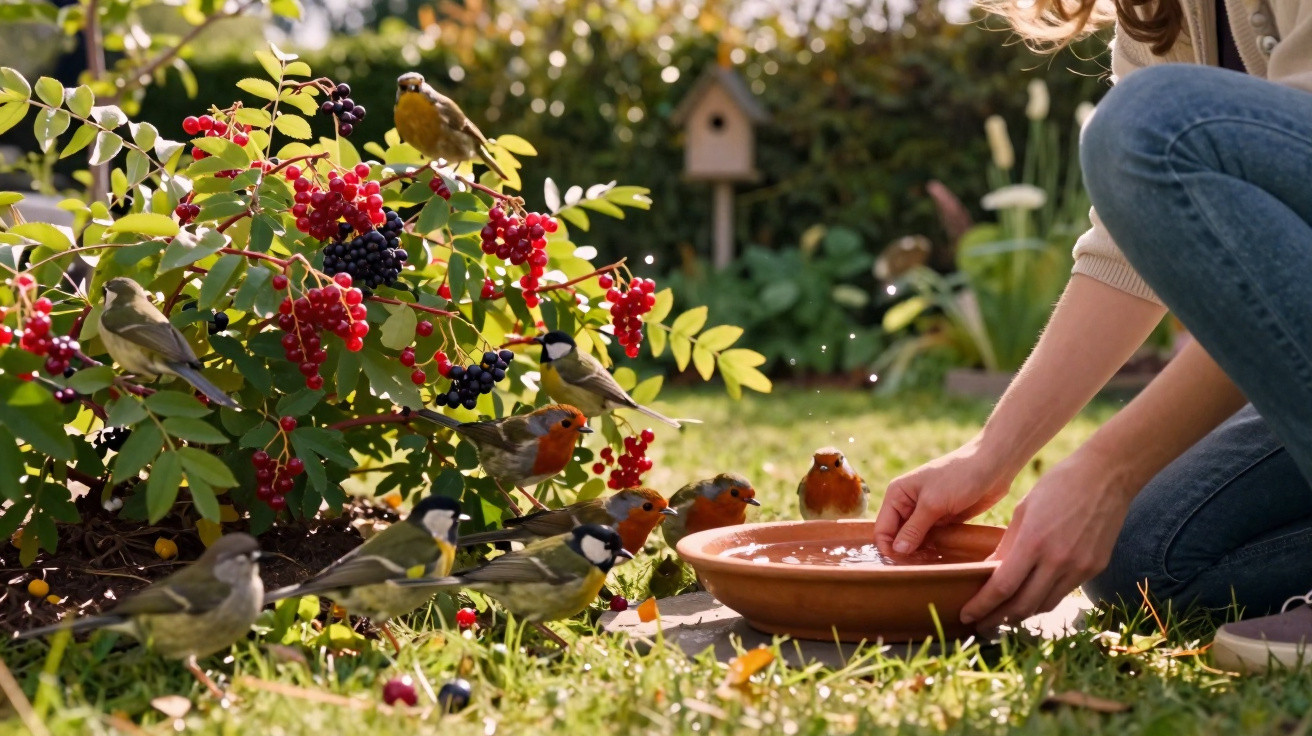
The quickest route to a more lively garden is to plant fruiting shrubs. They supply food for months, while also providing cover and, often, nesting sites. For tits, robins, blackbirds and dunnocks, these shrubs are like a fully stocked supermarket right on their doorstep.
Making room for three carefully selected woody plants already covers a large part of their diet. Choosing native species is important. Although exotic ornamental shrubs can look attractive, they frequently offer birds little value because their fruit is unsuitable or difficult to reach.
Shrubs that birds genuinely favour
Berries that ripen gradually and remain on the branches for a long time are especially valuable. They ensure birds can still find reserves in late autumn and winter. Suitable choices include:
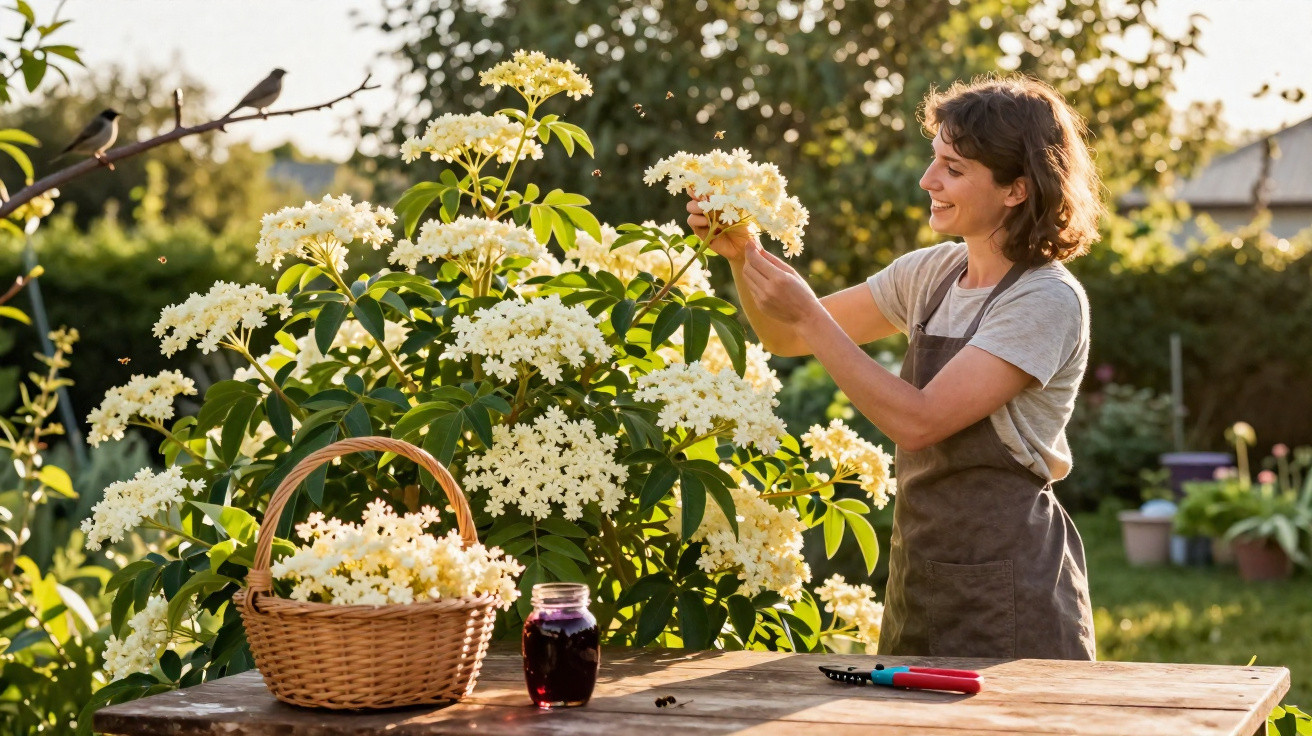
- Black elder: Abundant flower heads in spring followed by dark berries in late summer, prized by blackbirds and starlings.
- Rowan: Bright red clusters of fruit that attract numerous species, from starlings to fieldfares.
- Hedge rose or dog rose: Rose hips provide valuable winter food, while dense stems offer protection.
- Privet: Small black berries that persist on the shrub for a long time; well suited to hedging.
- Blackthorn: Its thorns create a defensive barrier, its flowers support insects, and its fruit feeds thrushes and other birds.
Where space is limited, choose compact varieties or create a mixed hedge. There is no need to transform everything radically at once. It is better to plant gradually and observe what the birds use.
Birds need a safe place to retreat
Dense hedges offer protection from cats and birds of prey
Even the finest food supply is of little use if birds feel exposed. Feeders standing in the middle of an open lawn are risky, as birds of prey or the neighbour’s cat will seize any opportunity. A thick area of shrubs and hedging, by contrast, acts as a natural fortress.
“A dense, seemingly untidy part of the garden saves more bird lives than any perfectly clipped ornamental hedge.”
Ideally, there should be an area where pruning shears are used less frequently. Branches can grow into one another there, fallen leaves can remain, and thorny shrubs can do their job. Among the branches, birds have safe perches, can vanish quickly when danger approaches and can breed undisturbed.
A winter shelter that largely looks after itself
Every sheltered centimetre matters in winter. Cold winds, snow and frost place considerable strain on small songbirds. A dense patch of shrubs or an untamed bush in a corner protects them from draughts and gives them somewhere to roost. Avoiding a complete autumn cutback can make an enormous difference.
Practical measures include:
- Deliberately leaving at least one corner of the garden “untidy”.
- Including thorny species such as blackthorn or wild roses.
- Leaving some fallen leaves beneath shrubs instead of clearing them all away.
Fallen leaves shelter insects and spiders, which in turn provide protein for many birds. This naturally creates a small food chain without artificial assistance.
A shallow water bowl: a small gesture with a big impact
Why water can matter more than extra food
Many gardens offer at least some food but very little safe water. Birds need both: they must drink and bathe regularly to keep their plumage in good condition. Only well-maintained feathers insulate them in cold weather and allow controlled flight.
A simple shallow bowl is sufficient provided that a few details are right:
- The edge should slope gently so smaller species can enter and leave easily.
- The maximum depth should be around five centimetres.
- Position it where there is a clear view, so a cat cannot creep up unnoticed.
An upturned plant-pot saucer, a ceramic bowl or an old plate placed on a stable surface is all that is needed initially.
Maintenance: little effort, considerable benefit
To keep the water source beneficial, a brief routine is enough:
| Frequency | Task |
|---|---|
| Daily in summer | Check the water and top it up if necessary |
| Every two to three days | Rinse the container and refill it with fresh water |
| During frost | Remove ice and provide lukewarm water |
No chemicals or washing-up liquid are required; clean water is enough. Anyone using two bowls in rotation can clean one properly while putting the other straight back outside.
How to make your garden a true bird paradise
The most effective combination for many species
The greatest effect comes when three elements are combined:
- Several berry-bearing shrubs as a natural food source.
- A dense, lightly managed area for refuge and nesting.
- At least one shallow water bowl for drinking and bathing.
When these features are distributed thoughtfully, new visitors often appear within just a few months. Curious species such as great tits and blackbirds usually arrive first. In time, more timid birds join them, including species that were previously rarely seen.
A garden that works with you and saves effort
Natural structures reduce the need for constant intervention. Berry-bearing shrubs generally look after themselves well, requiring little fertiliser and hardly any watering. Wild corners do not need to be perfect; they simply need to grow. The water point requires only a few quick tasks.
Other animals benefit too, including insects, hedgehogs and amphibians. Together, they help limit pests and support a stable ecological balance. Over time, a living garden remains more resilient than a sterile ornamental garden that demands continual maintenance.
Practical extra ideas for even more bird diversity
Anyone wishing to go further can add particular features:
- Bare patches of ground for species that like to dust-bathe in sand.
- A few dead branches as lookout posts for insect-hunting birds.
- Flowering plants that produce plenty of seeds, such as sunflowers or thistles.
Lighting also plays a part. Permanent garden lighting can deter some nocturnal visitors and disrupt natural rhythms. Using lights only when needed makes it easier for animals to find their way.
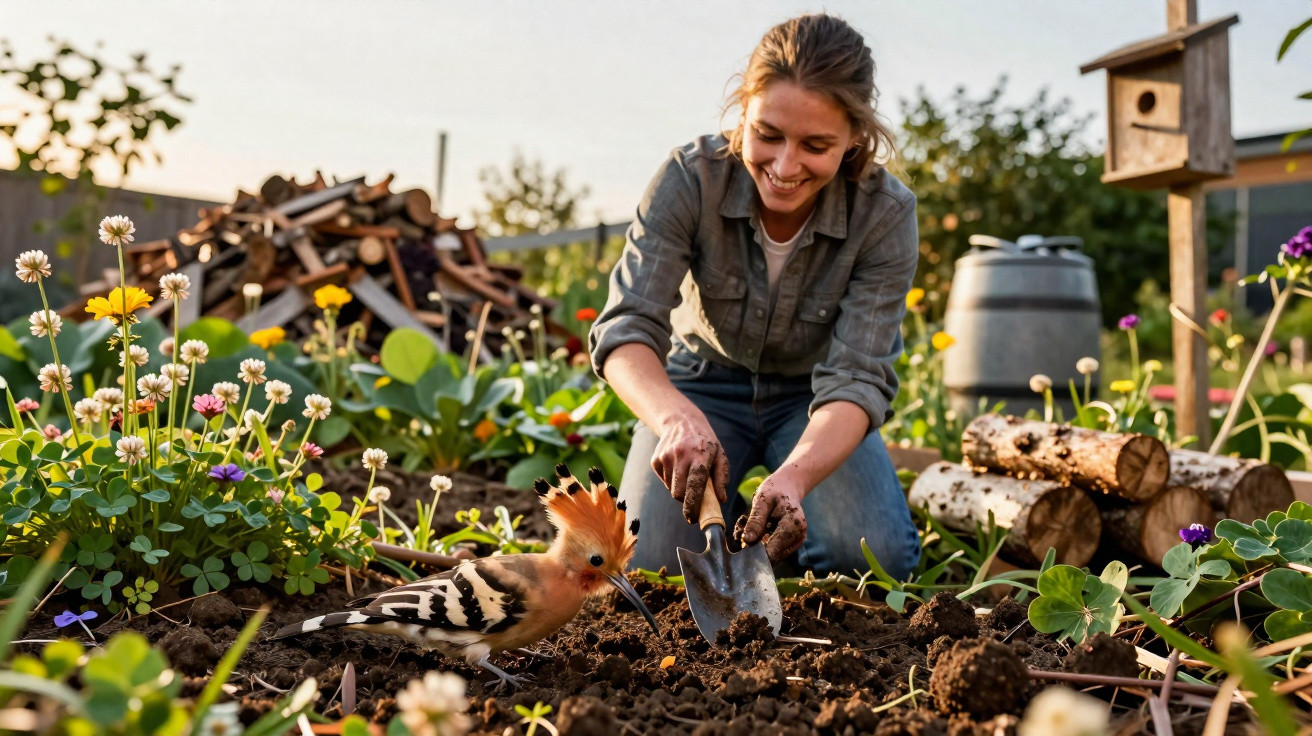
Many terms associated with “wildlife-friendly gardening” sound more complicated than they are. At its heart, the approach means resisting the urge to tackle every supposedly untidy patch and deliberately allowing some wildness. Just one elder, a wild hedge corner and a simple water bowl may be enough to make the garden feel entirely different within a single season: full of movement, song and small scenes otherwise expected only in woodland.
Comments
No comments yet. Be the first to comment!
Leave a Comment