
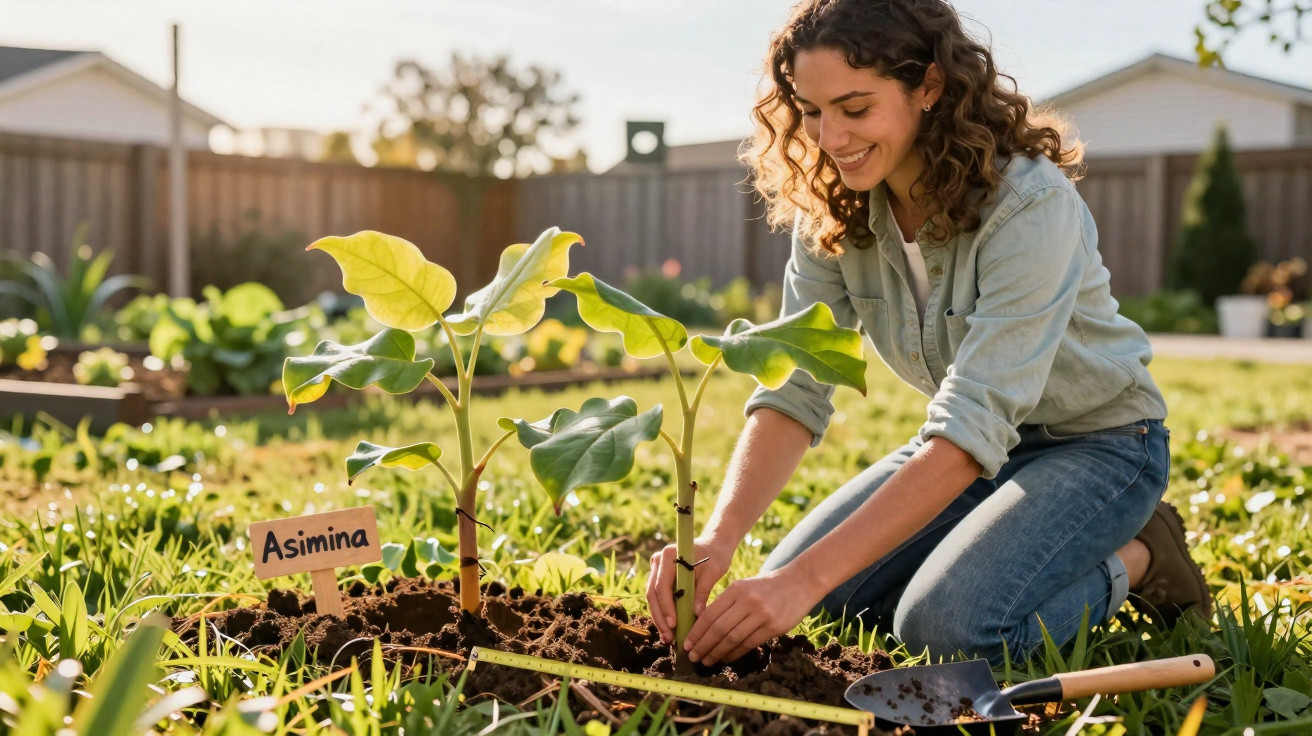
An inconspicuous young tree, exotic flavour, frosty winters – and one small misconception that determines whether you enjoy a bumper crop or no fruit at all.
People hoping to grow a tropical-looking fruit tree often fail not because of the weather, but because of a straightforward yet crucial buying habit. A tree whose fruit tastes somewhere between mango and banana can cope remarkably well with German winters – provided the right choice is made at the point of purchase.
A “tropical” fruit tree hardy down to –25 °C
The pawpaw tree (Asimina triloba), also known simply as pawpaw, can look distinctly out of place in a central European garden at first glance. Its large, soft leaves evoke a tropical rainforest rather than a garden that may be covered in snow in January.
That contrast is precisely what makes it so appealing: the species is considered highly frost-hardy and tolerates temperatures of around –25 °C. Many amateur gardeners are surprised that a tree with such an exotic appearance needs no intensive spraying programme. Diseases and pests are generally kept well under control, so chemical treatments are usually unnecessary.
“A tree with tropical appeal that withstands tougher winters than some apple trees: pawpaw opens up fresh possibilities for fruit lovers in cooler climates.”
The most common mistake: planting just one tree
This is where the annual garden-centre disappointment begins. One attractive young tree goes into the trolley, is planted at home – and then produces virtually no fruit for years.
The explanation is that most pawpaw trees are self-sterile. Their flowers cannot be fertilised by pollen from the same tree. Anyone planting a single specimen may enjoy attractive spring blossom, but will usually harvest – nothing – in late summer. At best, a few isolated and often misshapen fruits may appear on the branches.
The answer sounds obvious, yet it is overlooked surprisingly often: buying “a pawpaw tree” is not enough.
“No compatible partner, no harvest: in many cases, gardeners who plant only one pawpaw tree spend years growing a green ornament.”
The essential garden-centre rule: always buy a pair
The key decision needs to be made in the garden centre, rather than later at the planting site: put at least two trees of different varieties in the trolley. This is the only way to achieve reliable cross-pollination.
Ideally, choose two grafted plants with clearly identified varieties. This improves the likelihood that the trees will pollinate one another successfully and produce dependable, evenly shaped fruit.
- Never buy only one plant; always allow space for at least two.
- Choose different varieties whenever possible.
- Look for grafted young plants rather than seedlings.
Pawpaw pollination at close range: how near the trees should be
Spacing also matters if pollen is to move effectively between the trees. Avoid planting them at opposite ends of the garden. As a guide, there should be no more than around 5 metres between the trunks.
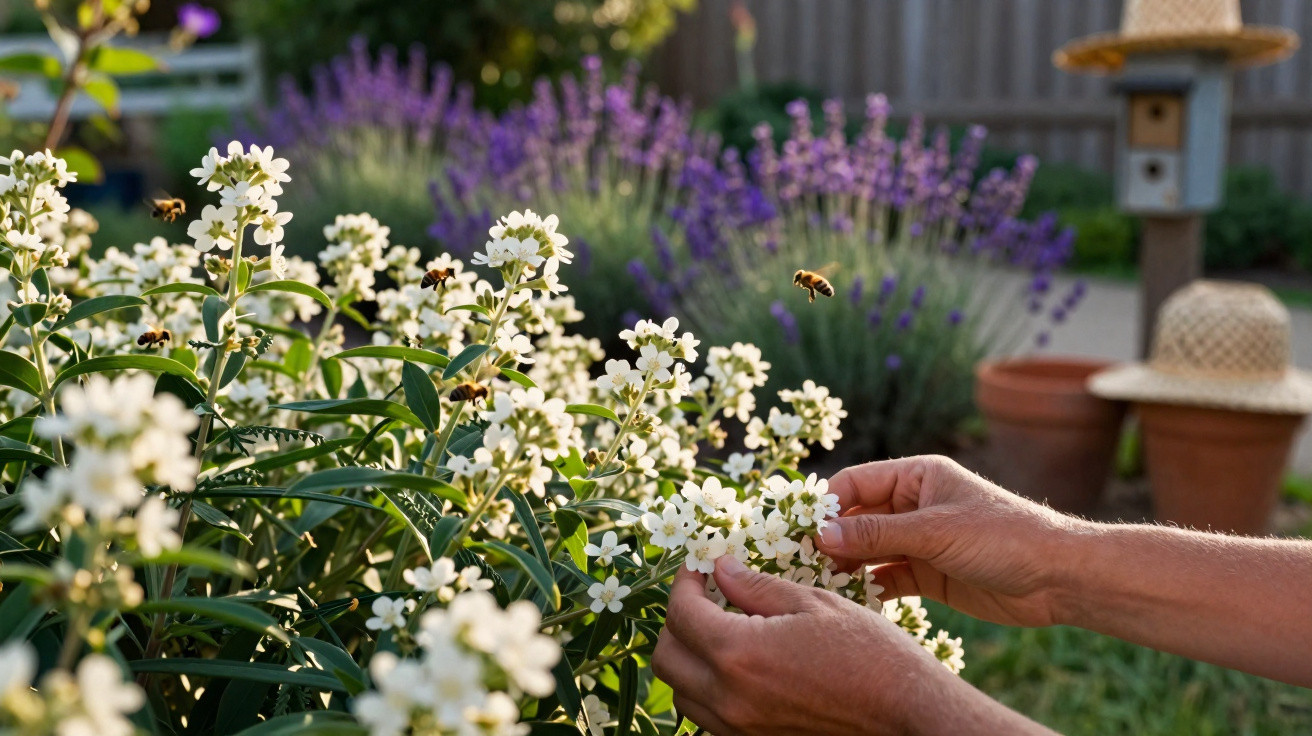
The flowers open in spring. They tend to be dark in colour and have an unusual, slightly pungent scent that attracts particular insects. Those who want to be certain can give nature a hand with a simple method: use a small brush to move pollen from flower to flower, helping to increase the crop.
Planting guide: giving the trees the right start
Putting in a little extra work at planting time pays off later in both growth and yield. The soil should be loose, rich in humus and consistently moist, meaning neither bone-dry nor waterlogged.
Step-by-step planting for success
- Choose grafted plants: They usually fruit considerably earlier than seedlings raised from seed.
- Dig the planting hole: Make it around 50 cm wide and 50 cm deep; go slightly larger in heavy soil.
- Work in compost: Mix 5–10 litres of mature compost with the excavated soil rather than adding it undiluted.
- Position the tree: Keep the graft union just above soil level; do not bury it.
- Firm the soil gently: Remove air pockets without compacting the root area.
- Stake the tree: Secure it to a sturdy support stake with a loose, flexible tie.
- Apply mulch: Place an 8–10 cm layer of leaves, straw or wood chips around the trunk.
“Generous planting – a large hole, plenty of humus and deep mulch – creates the foundation for strong roots and reliable yields.”
The first two years: let the trees establish without stress
The strength of the eventual crop is largely determined during the early years. Pawpaw trees dislike both parched ground and muddy soil. Consistently lightly moist soil is ideal, particularly during warmer months.
Allow 10 to 20 litres of water for each watering, depending on the weather and the size of the plant. A thick mulch layer reduces moisture loss and helps the soil stay loose for longer.
Wind is another factor that is often underestimated. In summer, the large leaves act like sails. A strong gust can easily bend or snap young trunks. A sheltered position, such as in front of a hedge or wall, together with a properly installed stake, greatly reduces this risk.
Patience required: from the first flush of flowers to harvesting
Even with correct planting and two suitable trees, one thing is still needed: patience. Pawpaw is not among the fruit trees that are laden with fruit after just two years. A period of around four to six years before the first worthwhile harvest is typical.
The fruits themselves, commonly called pawpaws, undergo a marked change in colour and texture. They begin green and firm, then turn yellowish and yield slightly when pressed. At that stage, they release a sweet fragrance with tropical notes.
They do not keep for long. Rather than eating every fruit immediately with a spoon, it is best to scoop out the creamy flesh, remove the seeds and freeze it. The flavour can then still be used in desserts, ice cream or smoothies during winter.
What the “mango-banana” tree really offers in flavour
Many descriptions sound almost too good to be true: banana, mango and vanilla, all in one fruit that can be grown locally. In reality, flavours vary slightly according to variety and ripeness, but the overall profile remains distinctly exotic, soft and creamy.
| Feature | Pawpaw (Asimina triloba) |
|---|---|
| Flavour | Blend of banana, mango and vanilla |
| Texture | Creamy, almost like custard |
| Uses | Eat with a spoon, ice cream, desserts, smoothies |
| Ripening period | Late summer to early autumn |
Common pitfalls – and how to avoid them
To prevent the dream of exotic fruit from ending in disappointment, it helps to understand the most frequent misunderstandings:
- Too much sun immediately after planting: Young plants can be sensitive to intense midday sun. A lightly shaded starting position or temporary shade helps them settle in.
- Heavy waterlogging: Pawpaw trees do not tolerate wet roots. In hollows or very compacted soil, provide a drainage layer or plant on a slightly raised mound.
- Harvesting impatiently: Fruit picked too early will not develop its full flavour. Slight softness when pressed and fragrance are the best signs of ripeness.
Who benefits most from growing pawpaw
This tree is especially interesting for gardeners who already grow traditional fruit such as apples and cherries and would like to add something unusual without building a greenhouse. In cooler areas where peaches and apricots regularly suffer frost damage, pawpaw can offer a robust alternative.
For households with children, it also delivers a genuine “wow” factor: a tree producing tropical-flavoured fruit in autumn is bound to become a talking point around the garden table. At the same time, maintenance remains manageable if the site, paired planting and watering during the first few years are right.
Anyone who remembers this one rule – never plant only one, but always at least two different pawpaw trees – can look forward a few years later to a fruit tree that seems to belong to another climate, yet fruits in the home garden without exotic protective measures.

Comments
No comments yet. Be the first to comment!
Leave a Comment