
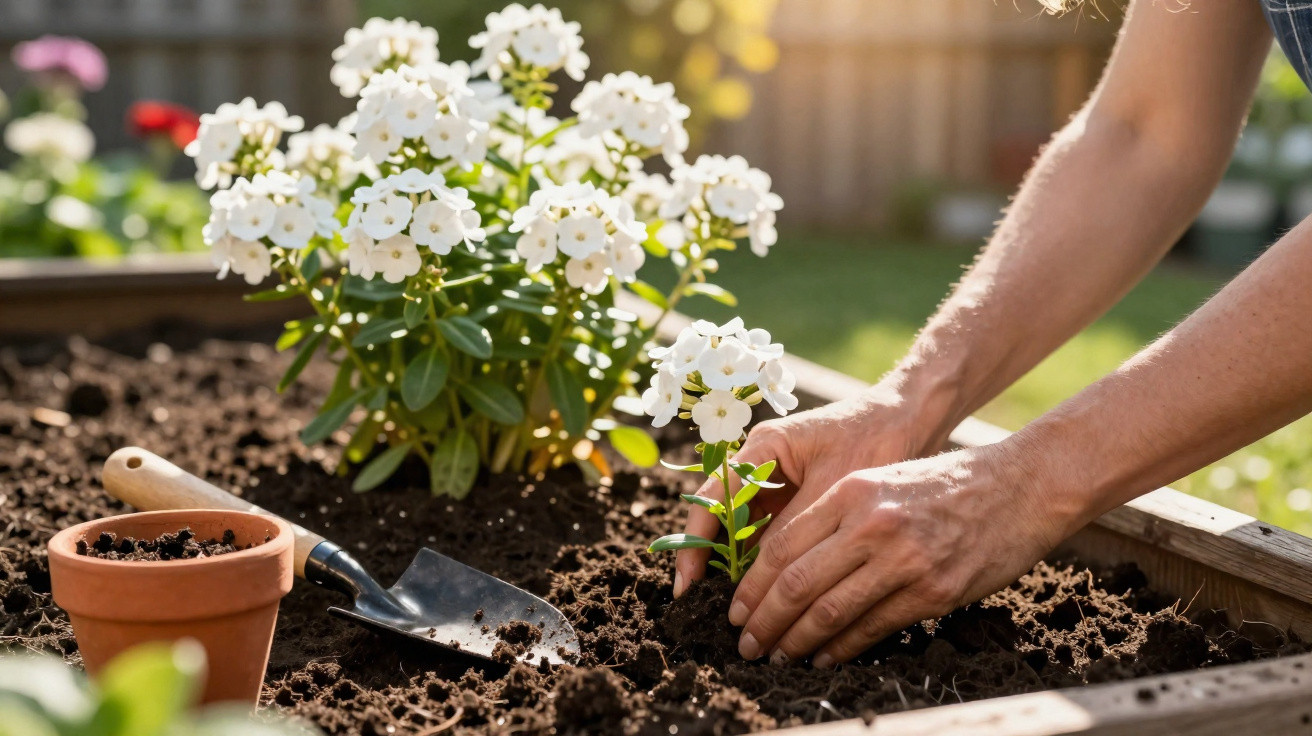
Mount Fuji phlox has become increasingly popular in gardens across different regions because it combines relatively unusual qualities: an extended flowering period, minimal maintenance requirements and reliable adaptation to temperate conditions. This medium- to tall-growing perennial is often selected for borders that need to retain their ornamental appeal for almost the entire summer without regular replacement. It is therefore considered a practical choice for both home gardens and professional landscaping schemes.
What is Mount Fuji phlox, and why does it stand out in the garden?
This is a garden phlox variety recognised for its clusters of white flowers arranged in full, substantial flower heads. It can remain in the same position for several years, developing dense, well-shaped clumps that are particularly suitable for creating striking planting blocks in medium- to large-sized borders.
A mature plant grows to between 90 and 120 centimetres tall, producing sturdy stems that hold the weight of the flower heads without readily flopping over. For this reason, it is commonly planted in the middle or back of a border, where it provides a pale backdrop that enhances colourful plants positioned in front, creating fuller and more balanced displays.
Watch a video on the Life in the Garden YouTube channel about long-flowering perennial plants that cope well with sun and need very little attention in the border:
https://www.youtube.com/watch?v=kS1z6T6_tO4
What are the main characteristics and benefits of Mount Fuji phlox?
Mount Fuji phlox produces dense flower clusters at the tips of its stems, giving it a neat and elegant visual effect. Its white blooms, lightly tinged with cream, work well alongside plants in either bold or soft shades. Flowering generally takes place from July to late August in the Northern Hemisphere, although it can continue for longer when conditions are favourable.
Its longevity is another notable feature: an individual clump can stay in the garden for eight to ten years, while its stems become thicker and its flower heads progressively more plentiful. The following points outline the plant’s habits and can assist with garden planning:
- Average height: 90 to 120 cm on mature plants.
- Flower colour: white with a soft cream tint, resistant to sun.
- Time in the same position: around 8 to 10 years with good care.
- Flowering season: summer, peaking from July to late August.
- Main use: borders, tall edging and mixed planting schemes.
How can you grow Mount Fuji phlox at home with little care?
Growing Mount Fuji phlox is straightforward provided it receives suitable sun and soil conditions. It favours a sunny site or light partial shade. In very warm areas, dappled shade during the hottest hours helps retain moisture and preserve flower quality, preventing premature wilting.
The best soil is fertile, open and moderately moist, with plenty of organic matter and good drainage to prevent the roots from becoming waterlogged. Regular but moderate watering, together with removing spent flowers, keeps the plant looking tidy. Beginners can follow a basic planting routine to achieve good results from the first few growing seasons.
Which care practices extend the life of Mount Fuji phlox in the garden?
To keep Mount Fuji phlox strong for many years, carry out an annual tidy-up after flowering by cutting old stems close to ground level. This encourages fresh shoots in spring and keeps the clump orderly, with good air movement between the stems.
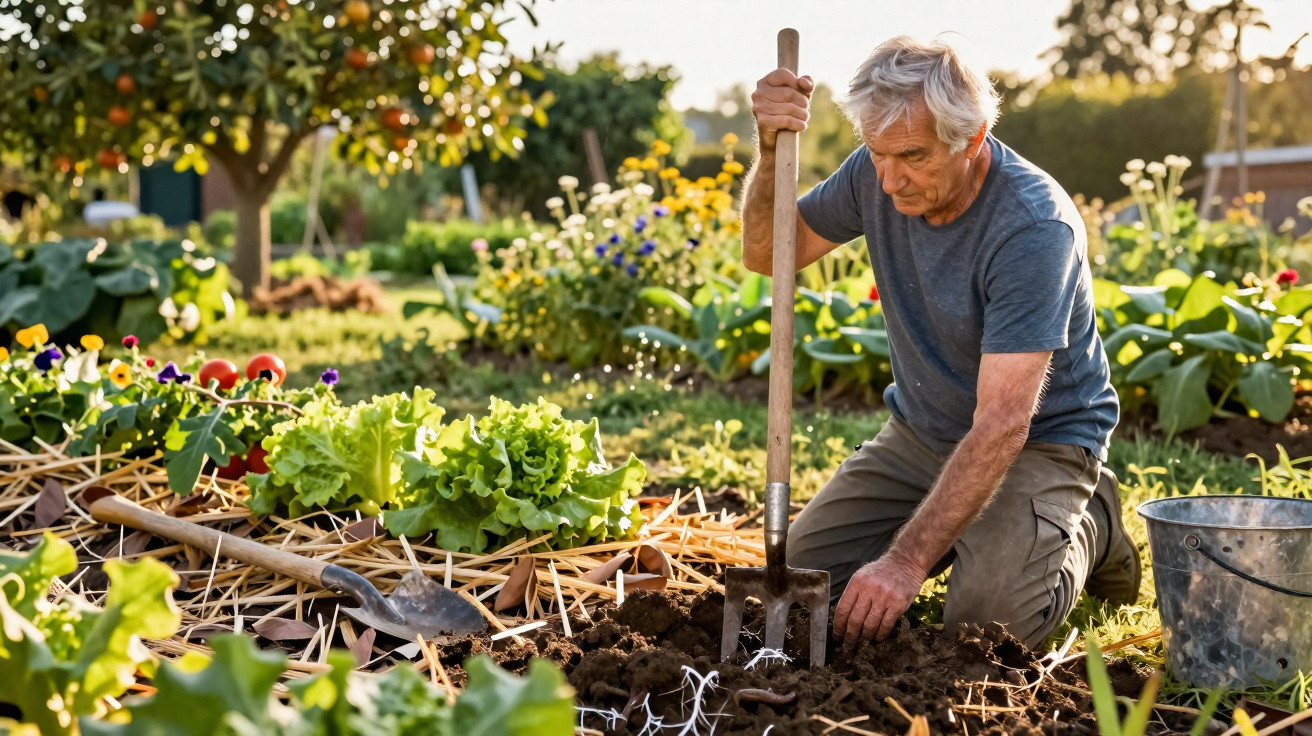
Where soil is prone to compaction, lightly aerating it and renewing the top layer with organic compost will encourage healthy root growth. Once a clump becomes too crowded, dividing it and replanting sections elsewhere in the garden rejuvenates the plant. This makes it possible to increase the number of plants at no extra cost while ensuring successive summers of a permanently flowering white display.


Comments
No comments yet. Be the first to comment!
Leave a Comment