
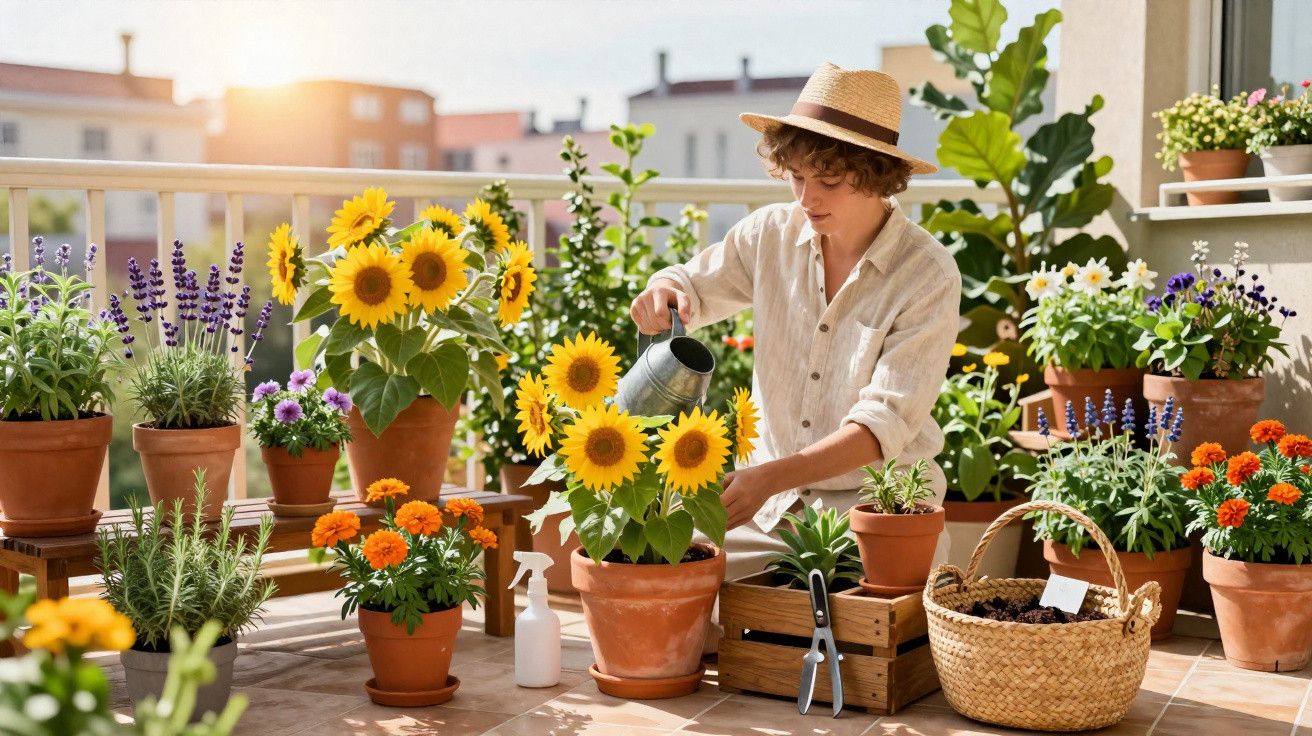
In many parts of Brazil, intense sunshine for much of the year is an everyday fact of life. In these conditions, choosing plants that love strong sun is a practical way to keep a garden, balcony or indoor space near a window green, even on the hottest days, provided the plant type, soil and watering routine are suitable.
What are plants that enjoy strong sun?
Full-sun plants are species that can cope with - and often require - at least 4 to 6 hours of direct sunlight each day. In settings with strong sun and high temperatures, they typically have firmer leaves, thicker structures or natural protective adaptations.
These adaptations may include waxy coatings, fine hairs or deeper colouring, all of which help limit water loss and prevent scorching. Whether grown in pots or open beds, they thrive when given sufficient light and airflow.
Which plants are best suited to strong sun?
Among plants that enjoy direct sunlight, several stand out for their straightforward care and their range of colours and shapes. They are widely used in home gardens, public squares and landscaping schemes in warm regions because they withstand heat and drought well.
Below are some plants commonly found in sunny areas, whose characteristics support healthy growth in full sun:
- Succulents (such as echeverias and sedums): they store water in their leaves, cope with dry spells and favour strong sunshine.
- Cacti: suited to arid conditions, they enjoy intense light and well-draining soil.
- Moss rose (Portulaca grandiflora): it blooms on sunny days and comes in a broad range of colours.
- Lavender: it prefers dry, sunny conditions as well as sandy or freely draining soil.
- Hibiscus: this large-flowered shrub performs best in direct sun with adequate watering.
- Ixora: a flowering shrub often used for hedges and sunny flower beds.
- Bougainvillea: a climbing plant that needs plenty of sunshine to sustain prolific flowering.
How should full-sun plants be cared for on the hottest days?
Even species adapted to strong sun can struggle during extreme heatwaves, which are common in many Brazilian states. At these times, watering, ventilation and pot selection should be adjusted to prevent water stress, sudden wilting and leaf scorch.
A few simple measures can protect plant health and minimise losses during summer:
- Pot choice and drainage: pots with drainage holes and a drainage layer prevent roots from becoming waterlogged.
- Suitable growing medium: light mixes containing sand and organic matter promote air circulation.
- Watering at cooler times: watering early in the morning or late in the afternoon reduces evaporation and thermal shock.
- Moderate fertilising: too many nutrients encourage weak growth that is more vulnerable to heat.
- Gradual protection: newly purchased plants should be introduced to direct sun gradually.
What benefits do full-sun plants bring to a space?
Plants that love strong sun offer more than colourful ornamental appeal: they can also ease the feeling of heat and create more pleasant microclimates. In houses and flats, pots placed on sunny windowsills or balconies filter direct light and lessen the warming of walls and glazing.
Another useful point is that many of these plants attract pollinators, including bees, butterflies and hummingbirds, strengthening the presence of urban wildlife. By creating a garden with sun-adapted species, residents generally reduce day-to-day maintenance, make better use of the available natural light and support local biodiversity.


Comments
No comments yet. Be the first to comment!
Leave a Comment