
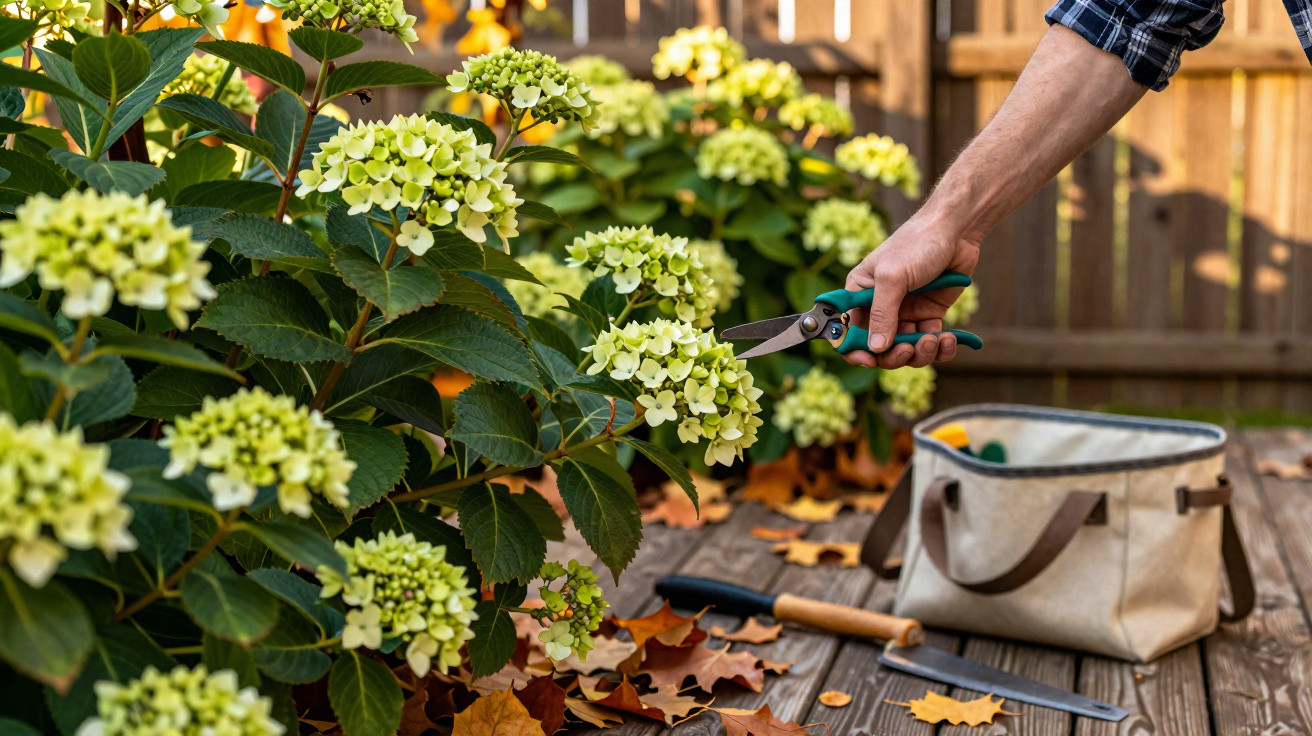
Many gardeners tidy borders and beds without realising that some species hide delicate biological processes. If you cut back at the wrong time, you can undermine the display and end up with hydrangeas that produce no showy flowers at all.
Why does autumn pruning harm hydrangeas?
Hard pruning during the milder months strips away vital parts of the plant. When you remove branches that look dormant, you may actually be cutting off structures the shrub has already prepared, which prevents colourful new shoots from bursting into life in the next season.
When the cuts are mistimed, the plant is pushed to pour its energy into replacing damaged foliage. As a result, the stems become less able to carry mature buds, leaving the shrub more vulnerable through the winter and with a much lower decorative plant display.
What’s the risk of pruning in the middle of summer? Cutting branches during periods of intense heat can reduce resilience and interrupt the natural development process… Read more
How do flower buds develop on the branches?
Unlike many common shrubs, numerous varieties set their flower buds months in advance. These buds stay dormant through colder periods, waiting for the right moment to open, and they are held directly on older, tougher wood within the plant’s structure.
If a gardener trims the canopy without spotting these key points, they can remove the very start of next season’s petals. The plant may remain green and healthy, but it will not produce any colourful clusters-disappointing anyone expecting abundant flowering and natural vitality.
Below is a video from the Spagnhol Plantas (YouTube) channel on YouTube that explores the points discussed in this topic in more depth:
Which varieties rely on older stems?
Classic garden types such as Hydrangea macrophylla depend entirely on previous growth to form their flower heads. This botanical trait calls for extra care, because heavy-handed cutting removes ornamental potential and weakens the healthy development of the cultivated shrub.
Other close relatives, including Hydrangea serrata, share the same biological habit of flowering from woody stems. Understanding the specifics of each cultivated type helps you avoid unnecessary interference, ensuring the cultivation cycle stays intact and delivers an excellent visual result.
Essential Pruning Kit
Recommended materials - keep the right tools to protect the shrub’s health:
- Sterilised, well-sharpened secateurs for clean cuts;
- Wound-sealing paste or ground cinnamon to protect pruned stems;
- Comfortable gardening gloves to handle foliage safely.
How can you maintain the plant without harming it?
Rather than cutting back heavily, limit yourself to removing only material that is dry or clearly weather-damaged. This targeted clean-up keeps productive wood in place, allowing shoots to remain untouched while improving air circulation between stems.
Deadheading should be done close to the spent flower, while fully preserving the lower buds for the next cycle. With this straightforward approach, the shrub stays neat in aesthetic terms without any negative impact on spring growth.
A few practical steps help keep maintenance safe:
- Remove only dead, diseased, or broken branches;
- Cut back only the dried blooms just above the first pair of leaves;
- Preserve all healthy woody framework to support flowering.
When is the right time for deeper pruning?
The best moment for rejuvenation pruning is immediately after flowering finishes, towards the end of summer. At that point, the plant still has enough time to produce vigorous new shooting before intense cold halts growth.
Following the plant’s natural timetable helps keep beds reliably in bloom, healthy, and full throughout the following year. By avoiding severe cuts in mild months, you protect your plants and secure a beautiful ornamental landscape packed with life and colour.


Comments
No comments yet. Be the first to comment!
Leave a Comment