
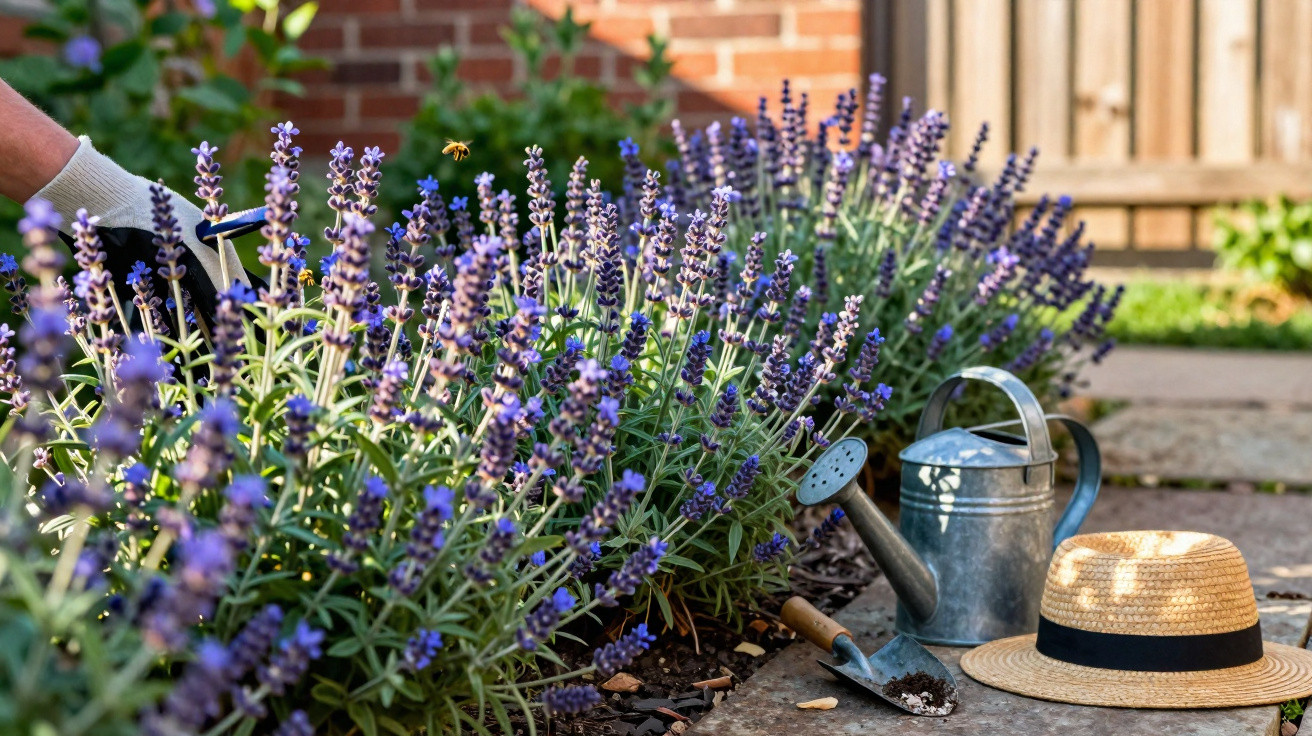
Catmint is often overlooked, yet this hardy perennial flowers for longer – and sends bees into a frenzy.
Anyone currently planning flowerbeds, pots and window boxes will almost automatically think of lavender to bring a touch of the Mediterranean to their doorstep. Yet there is a perennial plant that quietly does all of this even better: it is long-lasting, exceptionally undemanding, blooms for months, has an intense fragrance and creates a genuine haven for bees and other pollinators. It is catmint, botanically Nepeta × faassenii, a perennial particularly well suited to an era in which heat, drought and late frosts are becoming the new normal.
The underrated rival: why catmint outperforms lavender
A fragrance that instantly fills the air
Lavender has long been considered the undisputed queen of fragrant borders. It dominates sunny spots in many gardens, from front gardens to rockeries. However, catmint belongs in the same league – and clearly surpasses it in several respects.
Even brushing lightly against its grey-green foliage releases an aromatic cloud of scent. Unlike certain warmth-loving herbs, it does not need scorching midday heat for this. Its leaves give off fresh, gently minty and spicy notes, reminiscent of a blend of mint and a herb garden. The fragrance remains impressively noticeable into the evening and on cooler days.
“Catmint perfumes the garden without demanding a Mediterranean climate – and it does so for months.”
Many people find its scent more pleasant and less “soapy” than that of strongly scented lavender. This is especially beneficial on terraces or balconies where people sit close to the plants: the aroma is intense without being overpowering.
A bee hotspot from spring to autumn
For insects, catmint is an absolute dream buffet. Its small blue to violet flowers are arranged in long sprays that continually provide fresh nectar. Bumblebees and solitary bees can be found among the blooms early in the day, with butterflies joining them later.
For anyone hoping to turn their outdoor space into a small refuge for pollinators, Nepeta is an excellent choice. While some ornamental plants look attractive but offer little else, catmint supplies food for months on end.
- attracts honey bees, solitary bees and bumblebees
- has a long flowering period, providing a consistent food source
- supports butterflies and other pollinators
- contributes to the pollination of nearby fruit trees, berries and vegetables
Anyone putting out bee watering stations, building insect hotels and avoiding toxic substances should certainly add this perennial. It transforms a pleasant garden into a true insect paradise.
Virtually indestructible: this perennial takes frost and heat in its stride
No more worrying about double-digit sub-zero temperatures
Many Mediterranean plants look good during mild winters but disappear as soon as a harder frost arrives. Catmint is different. It is considered extremely winter-hardy and tolerates temperatures down to around -20 degrees Celsius, and sometimes even lower depending on the site and variety.
The secret is that its upper growth usually dies back in winter, while its strength remains in the roots. Even if only dry stems are visible in January, the perennial is still alive beneath the soil. It reliably produces fresh growth in spring – with no winter protection, fleece covering or move to the cellar required.
“Anyone who plants catmint can stop worrying about having to buy their favourite perennial again after every severe winter.”
Heat-tolerant and almost drought-proof
At the same time, Nepeta is one of the plants that copes remarkably well with increasingly hot, dry summers. Once it has rooted in for several weeks, it manages with very little water.
Its fine-haired, slightly felted foliage reduces evaporation, meaning the plant loses less moisture through its leaves. Water it well at first and provide free-draining soil, and it will withstand even heatwaves better than many traditional bedding plants.
This makes catmint appealing to anyone who:
- does not want, or is unable, to water every day in summer
- lives in an area with watering restrictions or water shortages
- is planning a low-maintenance front garden without a lawn
- needs to cover holiday periods without arranging continual watering
A burst of colour from April to October – with minimal maintenance
Up to seven months of flowers with hardly any effort
Perhaps its most striking quality is that catmint does not simply flower in a brief burst, but over a very long season. In a good position, it begins in April and is still going strong in October.
The slender flower spikes emerge in successive waves. A light trim between flushes encourages another round of blooms. A firmer cutback around midsummer – simply shortening the clumps by a third with hedge shears – is usually enough to promote fresh flowering shoots for late summer and autumn.
The plant needs very little fertiliser. Overly rich soil tends to make it lush and floppy, whereas a leaner growing medium keeps it more compact and willing to flower.
How catmint creates visual highlights
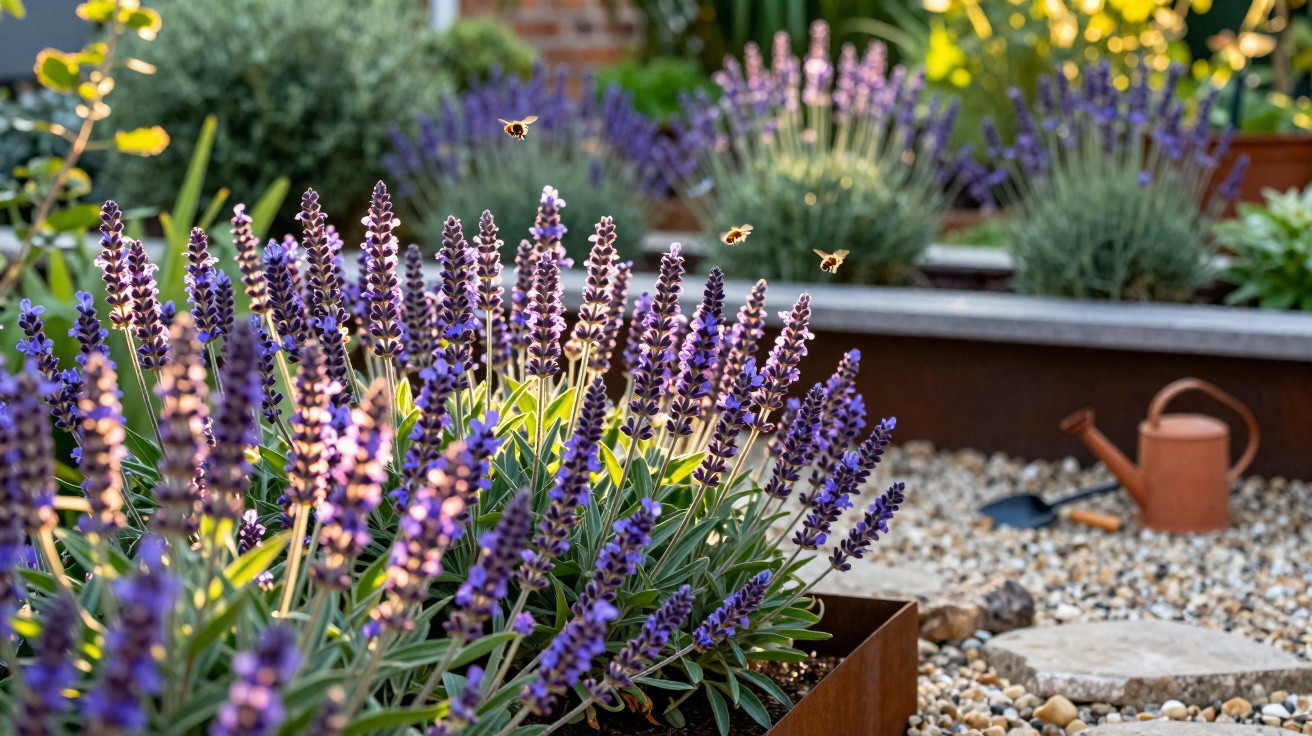
Visually, Nepeta resembles a soft, floating carpet of flowers. Depending on the variety, its colours range from cool blues and lilacs to rich violet. It is especially effective when planted in larger groups.
Popular ways to use it include:
- as an informal edging for perennial borders or roses
- along path edges, where plants can be allowed to spill slightly over the walkway
- in large terracotta pots on sunny terraces
- between natural stones, in gravel gardens or prairie-style beds
- as an alternative to traditional ground cover in the front garden
“Catmint brings the feel of a lavender field into the garden – only more forgiving, longer-lasting and easier to care for.”
Planting time, position and care: how to get catmint established
The best time to plant
Early spring is ideal, once the ground is no longer frozen and is beginning to warm up. Late March to April is a good period, as the perennial then has sufficient time to establish strong roots before the summer heat arrives.
Container-grown plants from nurseries or garden centres can be placed directly into beds or large pots without difficulty. If planting catmint in autumn, take care in particularly exposed areas to prevent waterlogging, so that the roots do not rot in wet soil.
Position and soil – what catmint really needs
The basic requirements are straightforward and achievable in almost any garden:
- Light: as sunny as possible; light partial shade is suitable, although flowering will be slightly less abundant.
- Soil: well-drained, with no prolonged wetness; sandy-loam or stony soil is ideal.
- Watering: water regularly during the first few weeks after planting, then only during extended dry spells.
- Spacing: around 30–40 centimetres depending on the variety, as plants spread into cushions.
In very heavy soils, incorporating sand or fine gravel will help. This creates conditions closer to a light, mineral-rich growing medium – precisely what Nepeta prefers.
Benefits for the garden, your back and the climate
Fewer weeds, less work and fewer chemicals
A dense carpet of catmint shades the soil, making it much harder for weeds to emerge. That saves many hours spent kneeling with a hoe in hand.
Those planting larger areas with Nepeta will need to hoe or weed less often and can manage entirely without herbicides. This protects not only your back, but also soil life, groundwater and insects.
What new gardeners should also know
Despite its name, not every cat reacts as strongly to this species as it does to classic “true” catnip (Nepeta cataria), although curious four-legged visitors may occasionally roll around in the bed. Anyone with particularly delicate areas can use pots or protect a few plants with small fences.
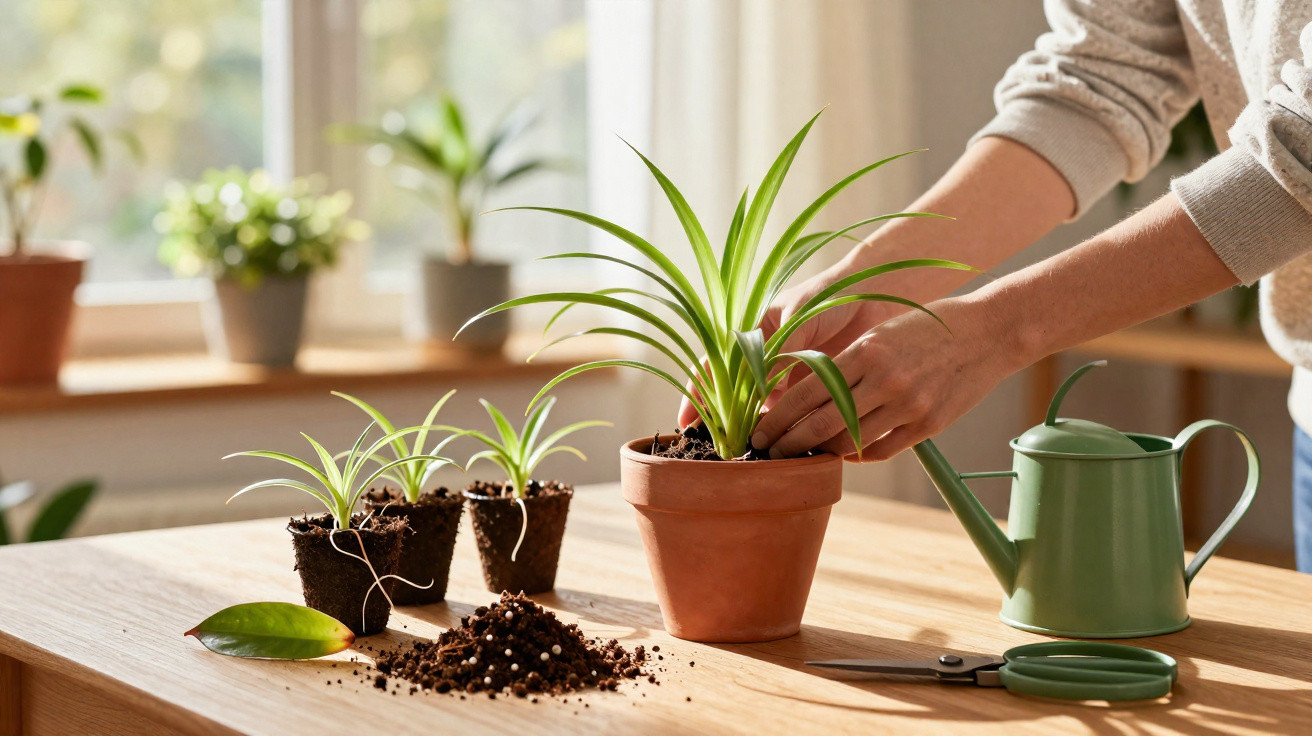
In the long term, catmint can be divided without difficulty: every few years in spring or autumn, lift the clumps, split them with a spade and replant them elsewhere. This allows your favourite perennial to spread throughout the garden almost free of charge – and perhaps into a neighbour’s garden too, if you give away a division.

Comments
No comments yet. Be the first to comment!
Leave a Comment