
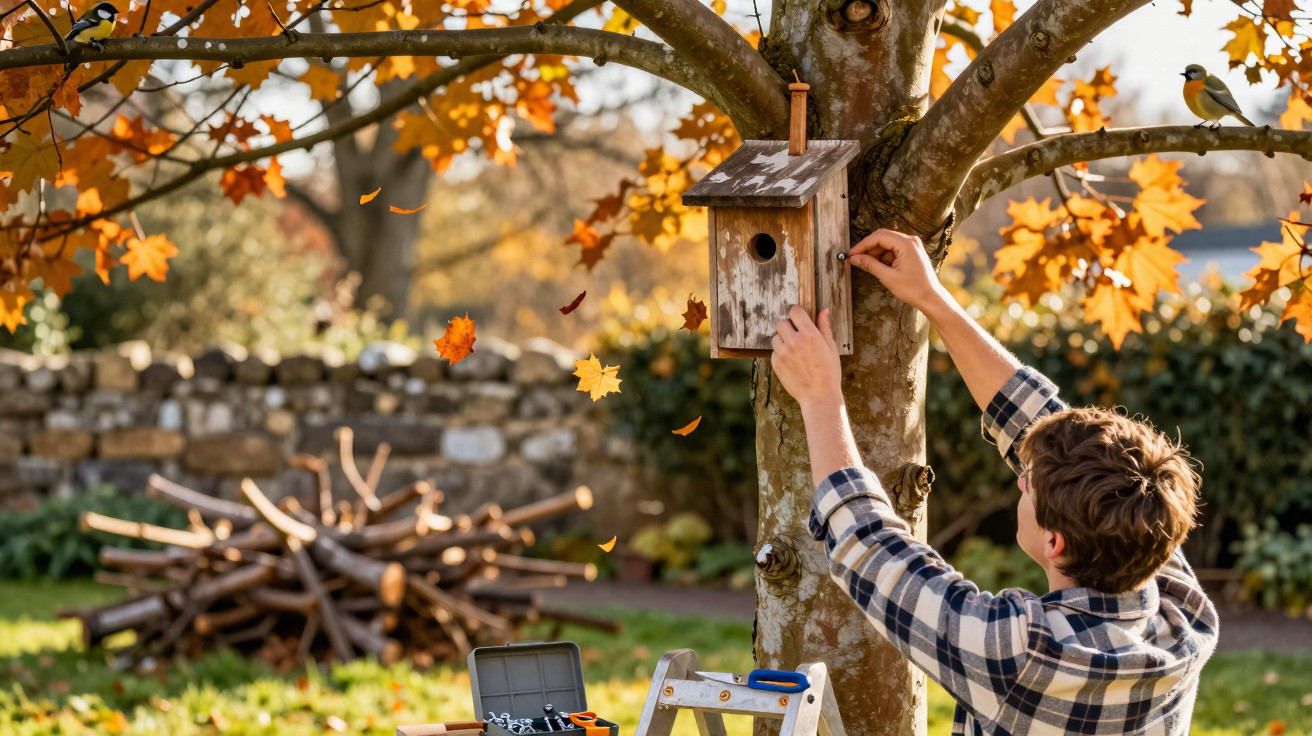
The nest box is new, attractive and sturdy, and the location seems ideal – yet it remains empty. Surprisingly often, the reason is not the model or the garden, but one simple, crucial factor: it was put up at the wrong time. Anyone timing installation around the first mild days of spring is almost certainly making the wrong choice.
Why spring is the worst time to put up a nest box
For many people, the first warm days mark the beginning of the gardening season, along with fresh decorations and new projects. A nest box is then treated like an item of outdoor furniture: it goes outside once the weather improves. Birds follow a very different calendar.
By the time we get started, birds have already made their decisions
By the time fruit trees are flowering and buds are opening, many bird species have already claimed their territories. Male great tits and robins, for example, may have spent weeks marking out their area, singing, driving away rivals and inspecting suitable cavities.
Anyone who puts up a nest box only in March or April is often simply too late – the “house-hunting” was already under way.
A box that suddenly appears in the middle of this sensitive period is not necessarily seen as an appealing offer, but more as an unfamiliar object. Birds are already occupied with finding a mate and defending their territory, making them considerably more stressed by changes.
Spring garden tidying disrupts nesting plans
The usual combination is familiar: raking leaves, pruning shrubs, bringing out garden furniture and installing a nest box. From a human point of view, it is highly practical – from a bird’s perspective, it is problematic.
- Sudden, frequent activity around the hanging site
- Noise from sawing, raking, and climbing up and down ladders
- A new object in the territory during a particularly sensitive phase
Small songbirds in particular are wary. They often avoid anything that is “new” and clearly made by people – especially if work is being carried out regularly right beside it.
The ideal time: when leaves fall, not when they emerge
Anyone who genuinely wants to help birds and give a nest box the best possible chance of being occupied should rethink their own timetable. The best period for hanging a nest box begins when many people have mentally written off their garden for the year.
Golden rule: October to December is nest box season
Ornithologists recommend installing nest boxes from the start of autumn until early winter – broadly from October to the end of December.
Installed in autumn, occupied in spring: a nest box needs time to become part of the natural rhythm.
The benefits of autumn installation include:
- The box can weather visually and blend into its surroundings.
- Birds have several months to become accustomed to its presence.
- Winter visitors can use it as a roosting site – and remember its location.
- There is less disturbance because less garden work is taking place.
Even if a box installed very late in winter is only used for nesting in its second year, it will then be ideally prepared.
Make smart use of autumn tree pruning
Autumn brings another practical advantage: many people prune trees and shrubs anyway. Without leaves, the branch structure is easy to see and stability can be assessed more readily.
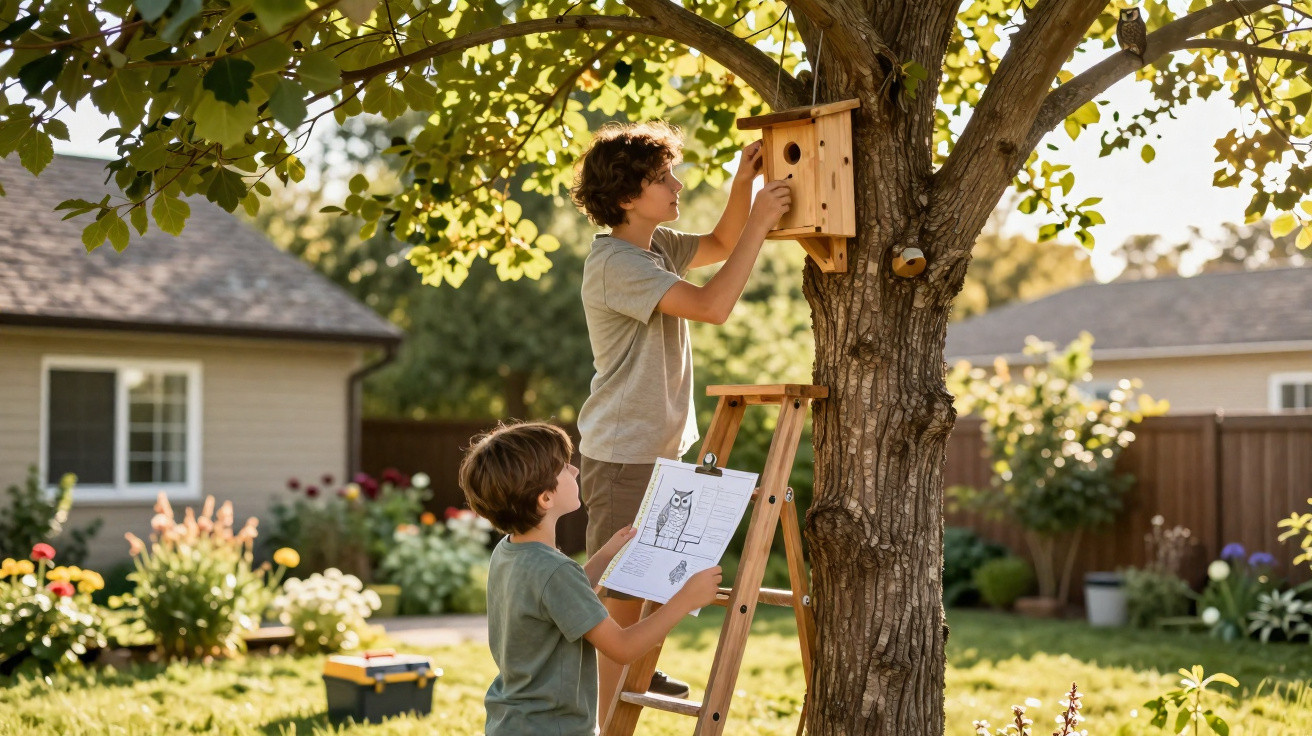
This is how to install it more effectively:
- Choose a sturdy trunk or strong branch, not thin twigs.
- Attach it with tree-friendly wire only, such as plastic-coated wire.
- Do not allow the wire to cut into the tree – check it regularly and loosen it when needed.
A box firmly installed in autumn is more likely to come through winter storms undamaged than one hastily hung from an unsuitable branch in spring.
Birds inspect their “property” long before moving in
To birds, nest boxes are not charming decorative features but potential nurseries. They are therefore examined very carefully.
Weeks of safety checks rather than a spontaneous decision
Before nesting in a box, a bird will often observe that spot many times:
- Is the box secure, or does it sway heavily in the wind?
- Does the entrance-hole size suit the species and feel safe?
- How deep is the nesting chamber, and how well concealed is it?
- Do cats, magpies or people appear there frequently?
A box that has been hanging for months signals permanence. A newly installed one seems suspicious.
This familiarisation period can take several weeks. That is why a nest box put up in autumn has already been “tested” by spring – and is much more appealing than one that has only been in place for a few days.
A familiar sight rather than a conspicuous foreign object
In nature, anything that stands out too strongly may be dangerous. A brand-new, brightly coloured box shortly before the breeding season is therefore more likely to be a warning sign than an invitation.
If the box has been on the tree throughout winter, however, birds simply perceive it as part of their surroundings. They pass it repeatedly while searching for food, may land on it tentatively, look inside and gradually lose their caution.
Nest box as overnight shelter: a winter lifesaver
One point is often overlooked: nest boxes do not only protect young birds in spring; on cold nights, they can also support the survival of adult birds.
Protection from cold and predators on winter nights
Small species such as wrens and tits lose enormous amounts of energy during frosty nights. Exposed branches offer very little protection. An enclosed cavity helps retain warmth and keeps predators at a distance.
An empty box in January can become a dormitory for several birds – and therefore an insurance policy against cold and wind.
Put the box up in autumn and you will provide shelter from the very first frosts. Many birds that sleep there in winter are also happy to use the same location as a breeding territory later on.
From winter shelter to family nest
A bird that has had positive experiences with a box over several months will classify it as safe. It knows the surroundings, the flight routes and possible predators. This positive experience lowers the threshold for choosing the same place to breed later.
This creates a natural transition: winter visitors become breeding birds in spring, making it far more likely that the box will be occupied by a family.
Scents and patina: why a nest box should look “old”
What smells pleasant to people is often a warning signal to birds. Fresh timber scents, oils and wood treatments can deter them.
New smells signal danger
A box installed immediately after purchase or painting gives off a strong smell: workshop, warehouse, human hands and care products. To us, this may seem “clean” or “high-quality”; to wildlife, it is more likely to feel threatening.
Scents need weeks or months to fade – another reason to install the box early.
Hanging the box in autumn gives wind and rain time to wash away these smells. Even untreated wood benefits from weathering, which helps neutralise the typical workshop odour.
Weathered grey rather than fresh timber tones
Rain, frost and sunshine create a natural patina over winter. The wood darkens, turns grey-brown and may develop moss or lichen. This “used” appearance is inconspicuous and natural in a tree’s surroundings.
Birds respond not only to scent but also to appearance. A box that resembles part of the bark appears far more trustworthy than a brightly pale, smooth foreign object.
Correct nest box installation: location, height and method matter
Even the best timing will do little if the box is poorly positioned or designed. A few basic rules significantly improve the chances of long-term use.
The right direction for the entrance
In Central Europe, cold, wet winds usually come from westerly directions. If the entrance hole faces directly towards them, rain can blow straight inside, chilling the brood and increasing the risk of mould.
- Position the entrance towards east or south-east where possible.
- Do not turn the front towards the prevailing wind.
- Allow gentle morning sunshine, but avoid relentless midday heat.
This orientation keeps the box drier and at a more stable temperature – both are crucial factors in the survival of young birds.
Height, spacing and protection from predators
As a broad guideline, install the box between 1.5 and 4 metres above the ground, depending on the bird species and garden setting. Cats, martens and other predators should not be able to reach it easily, and people should not constantly knock into it either.
Its position in the tree also matters:
- A stable trunk is preferable to a thin, swaying branch.
- Do not place it completely exposed over a lawn; some cover from branches or foliage is helpful.
- Avoid sites directly beside brightly lit areas or frequently used patios.
Not a dripping cave: moisture must escape
A good nest box needs small drainage holes in the base and ventilation slots beneath the roof. Damp inside the box can lead to mould, parasites and dangerous cold for young birds.
Anyone installing in autumn can inspect the box calmly beforehand and, if necessary, improve it with a drill and saw.
If you buy a low-cost model from a garden centre, check specifically for drainage and ventilation openings. If they are missing, the brief DIY adjustment is worthwhile.
Once a year: clear it out thoroughly
The box should be opened no later than January or February and the old nest removed. Parasites and droppings build up inside and can harm future broods.
- Dispose of all old nesting material.
- Wearing gloves, sweep out the interior roughly.
- Do not use harsh cleaning products; plain water is sufficient, if anything is needed at all.
Ideally, carry out this task on a dry, cool day. Birds will usually use the box again as a sleeping place that evening or the following one.
More life in the garden: what a nest box can really achieve
A carefully planned and installed nest box is more than simply an attractive feature in a tree. It can noticeably alter the balance of a garden.
A few examples:
- A family of tits consumes thousands of caterpillars and other insects while raising its young.
- Fewer aphids and pests mean less need for sprays.
- Through their behaviour, birds bring more activity and opportunities for observation into the garden – particularly exciting for children.
Anyone who positions a nest box at the right time – in autumn – and considers sensible details of location, scent and construction not only increases the chance of gaining feathered tenants. They create a stable, wildlife-friendly mini ecosystem right outside the front door.
In practical terms, this can be combined with further measures: plant native shrubs, avoid toxic products, and leave some spent perennials standing through winter. Together with an early-installed, properly positioned nest box, these steps create a garden where birds do not merely make brief appearances, but genuinely settle for the long term.

Comments
No comments yet. Be the first to comment!
Leave a Comment