
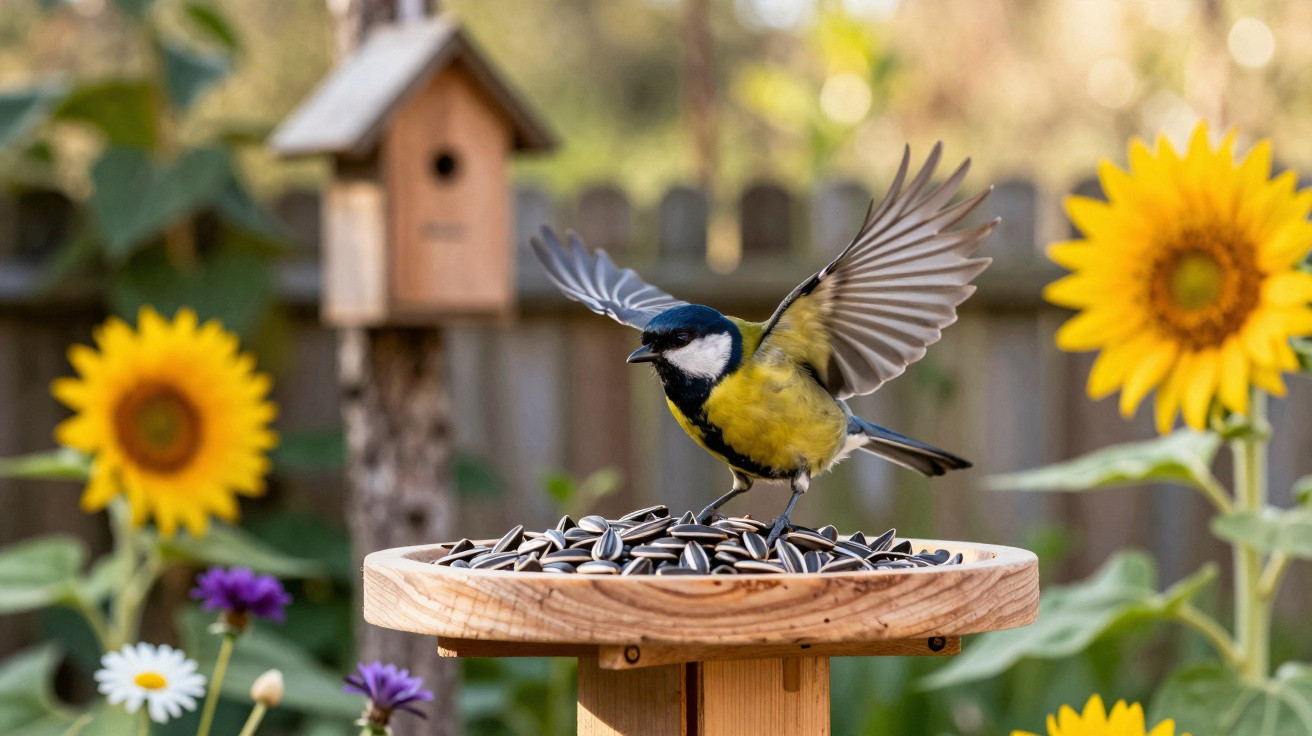
Many amateur gardeners are pleased whenever a tit briefly visits the bird feeder. With the right approach, however, you can attract not just occasional visitors but whole flocks of tits to your own garden. The key lies in one particular food and in how you serve it.
Why tits are so keen on sunflower seeds
Tits are tiny energy machines. They use an extraordinary amount of energy as they are constantly moving, climbing, flying, foraging and feeding. To sustain this activity, they need food that provides a quick and reliable source of energy.
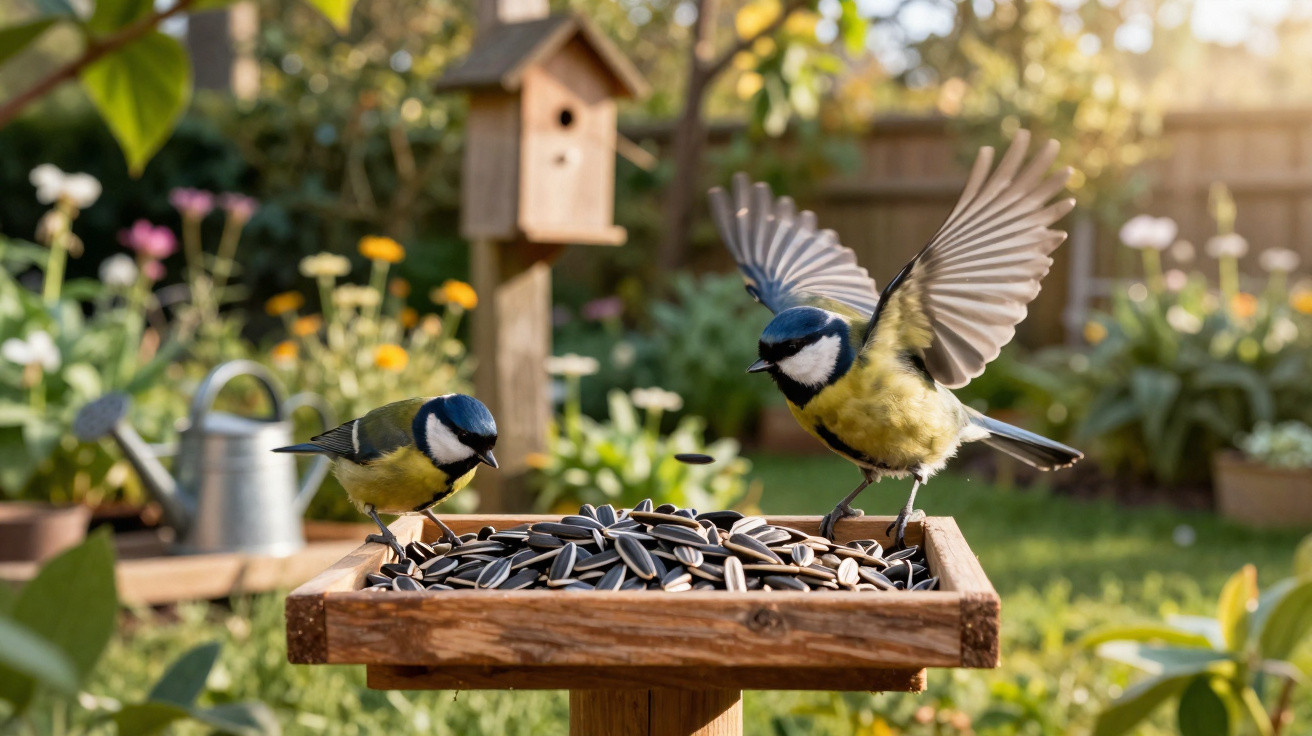
“Sunflower seeds are among tits’ absolute favourite foods – providing fat, protein and nutrients in one.”
Especially during the colder months, tits favour seeds with a high fat content. Sunflower seeds meet several requirements that make them ideal for these birds:
- high fat content for rapid energy
- plenty of protein for muscles and metabolism
- a relatively soft shell that is easy to open
- easy to store and long-lasting in a bird feeder
These seeds help birds build the energy reserves they urgently need on frosty nights. By offering sunflower seeds regularly, you make your garden particularly appealing to tits: they remember dependable feeding spots and will return time after time.
Which sunflower seeds tits really prefer
Black or striped seeds – the important difference
Shops generally sell two main types: black seeds and striped seeds. For tits, the distinction is worth considering closely:
| Type of seed | Characteristics | Suitability for tits |
|---|---|---|
| black sunflower seeds | very high oil content, thinner shell, usually smaller | ideal, easy to crack and particularly energy-rich |
| striped sunflower seeds | thicker shell, less fat, larger | eaten, but more difficult to open |
In practice, great tits and blue tits usually favour black seeds. They can reach the kernel faster, expend less energy cracking the shell and receive more fat with each bite.
It is also sensible to choose organic-quality seeds. This helps avoid pesticide residues in the food while supporting farming methods that work with nature. In the long term, it is the better option for birds, soil and groundwater.
Shelled or unshelled – which option makes sense?
Shelled sunflower seeds may initially appear more convenient because there are no husks scattered around the garden. Yet unshelled seeds offer several advantages for tits:
- cracking them provides activity that suits their natural behaviour
- the food stays fresh for longer because it is protected
- other species, such as pigeons, are more likely to leave unshelled seeds alone
If you do not want husks on the patio, position the feeding area slightly further away or place an easy-to-clean surface underneath it.
The right bird-feeding spot: height, location and protection
How high should the feeder be?
Tits feel safer when they do not have to feed directly on the ground. A feeding point at around 1.5 metres high is ideal. It is high enough to make hunting more difficult for cats, while remaining low enough for you to reach and clean it easily.
Popular options include:
- traditional wooden bird tables
- hanging feeder tubes made from metal or plastic
- ring feeders suspended beneath a roof
Safety matters more than appearance: there should be no sharp edges or gaps in which birds could injure themselves, and the feeder should have a roof that largely keeps out rain and snow.
The ideal location in the garden
Tits are cautious birds and do not like sitting exposed in the middle of an open space. The best location allows them to reach cover within seconds:
- close to shrubs or trees
- not directly within dense branches, so they can still spot predators
- positioned so that cats cannot creep up unnoticed
A feeder visible from the living room is particularly practical. You can watch the activity without disturbing the birds.
“Clearly visible but sheltered feeding spots attract tits particularly reliably.”
Adjusting food quantities to the season
During winter, you can be generous with the amount you put out. Cold weather consumes huge amounts of energy, while natural food is scarce. At this time of year, it is best to top up the feeder every day so birds can rely on it.
In spring and summer, tits eat more insects, particularly when they are rearing young. A smaller quantity of seed food is generally enough then. If there are plenty of insects, your garden itself becomes a “buffet” during this period.
More than food: making the garden a paradise for tits
Attracting tits with the right nest box
Anyone hoping to welcome not only feeding visitors but also breeding pairs should put up a nest box. Tits like nesting in cavities and readily use artificial nest boxes when the dimensions are suitable.
Important features include:
- a single-hole nest box with an entrance diameter of about 28–30 millimetres
- a mounting height between two and three metres
- ideally facing east or south-east, protected from westerly winds and persistent rain
The box should not hang in relentless direct sunlight, as it could become too hot. A clear flight path, without dense branches immediately in front of the entrance, helps birds get in and out quickly.
Plants that attract insects – and therefore tits
Tits raise their chicks mainly on insects. Sunflower seeds matter for adult birds, but their young need animal protein. Planting with insects in mind automatically creates a richer food supply.
Plants that are popular with insects and useful for tits include:
- chives, thyme, oregano and other herbs allowed to flower
- elder, privet and honeysuckle shrubs
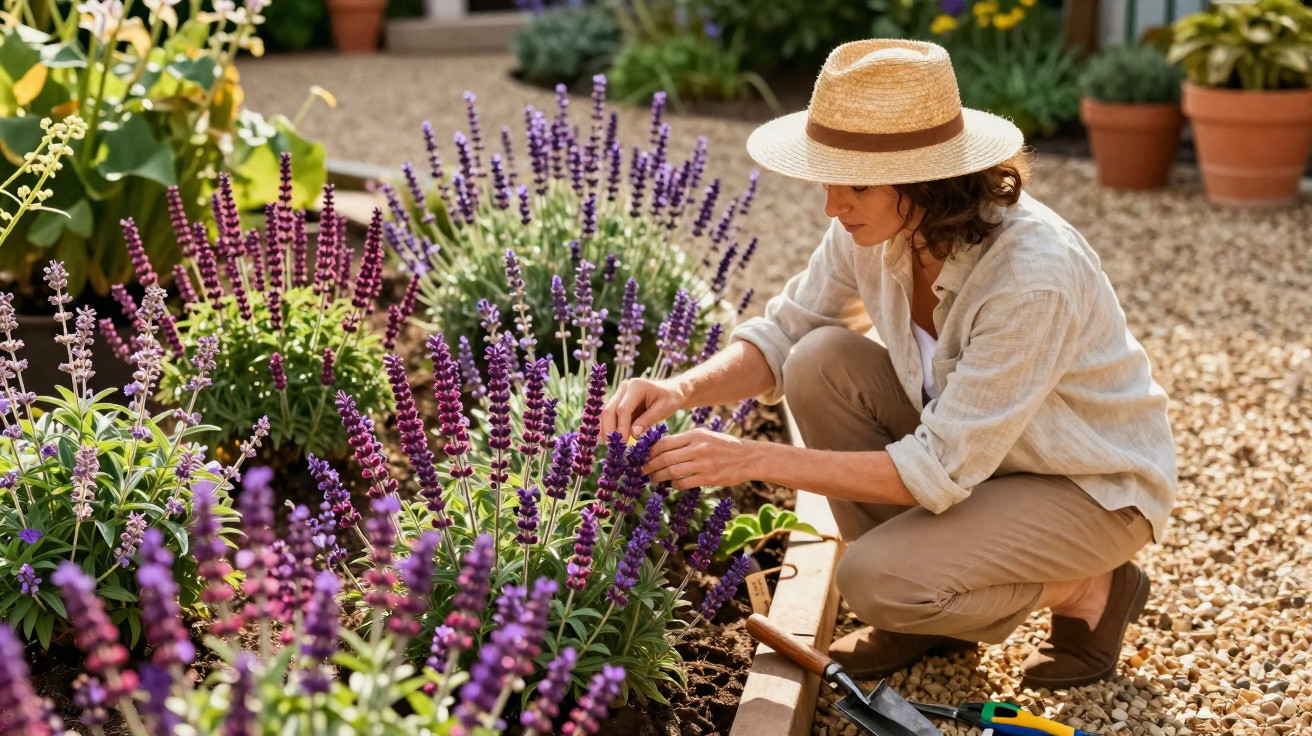
- lavender, sage, mallows, coneflowers and catmint
These plants provide nectar and pollen for bees and butterflies – while the caterpillars, flies and beetles later end up in a tit’s beak.
Gardening without chemicals – a key to greater bird diversity
Frequent use of insecticides ultimately harms tits as well. After all, they depend on precisely the creatures that many gardeners want to remove. Reducing or completely avoiding chemical products helps establish a natural balance.
Alternative approaches include:
- encouraging natural predators such as hedgehogs, birds and ladybirds
- planting deterrent species, including marigolds or garlic
- using physical barriers such as nets or tree guards on fruit trees
“A single tit can eat several hundred insects a day during the breeding season – living pest control included.”
How tits specifically help the garden
Gardeners with tits soon notice that certain pests become less common. Caterpillars of winter moths and other moths are particularly favoured prey. Aphids and small beetles also regularly find their way into a tit’s beak.
In this way, these birds protect fruit trees, roses, berry bushes and ornamental plants. Rather than reaching for chemicals, it is worth paying attention to bird activity: more tits often means healthier plants.
At the same time, these small songbirds bring life to the garden. Their calls, constant flights back and forth, and alert watchfulness from a branch turn every feeding break at the window into a brief escape from everyday life.
Practical extra tips for beginners
If you are only just starting to feed birds, a few simple principles will help:
- clean the feeding station regularly to prevent germs building up
- provide only the amount of food that will be eaten within one or two days
- store food in a dry place so that it does not go mouldy
- alongside sunflower seeds, try a little fat-based bird food or porridge oats
Over time, you will see what your regular visitors prefer. Many gardeners begin with a simple feeder tube filled with black sunflower seeds – and are amazed at how quickly the garden suddenly becomes full of life.
If you also provide nest boxes, choose varied planting and avoid chemicals, your garden will gradually become a safe refuge for tits and other songbirds. The reward is healthier plants, fewer pests and a garden that feels like a small nature reserve right outside the patio door.
Comments
No comments yet. Be the first to comment!
Leave a Comment