
A simple kitchen ingredient can completely change the situation.
Anyone with a strawberry patch knows the frustration: nibbled fruit, hole-ridden leaves and weak plants, despite feeding, watering and mulching them. Many people reach for sprays in frustration or eventually give up altogether. Yet one simple step involving an everyday vegetable is often enough to visibly strengthen a strawberry patch within a few weeks.
Why strawberries decline so quickly
Strawberries thrive in cool, slightly damp conditions. Unfortunately, that same environment turns a bed into an ideal breeding ground for pests and fungal diseases. Common problems in a strawberry bed include:
- Aphids and spider mites, which suck the leaves and weaken the plants.
- Slugs, which feed on fruit and young foliage.
- Fungi such as the notorious grey mould, causing berries to rot before they can be picked.
- Nematodes in the soil, which damage the roots and leave plants looking tired and stunted.
Many home gardeners respond with a whole range of measures: straw mulch, homemade remedies, organic sprays, slug barriers and protective netting. That takes time, money and patience, while the results are often limited.
The hidden ally: garlic at strawberry roots
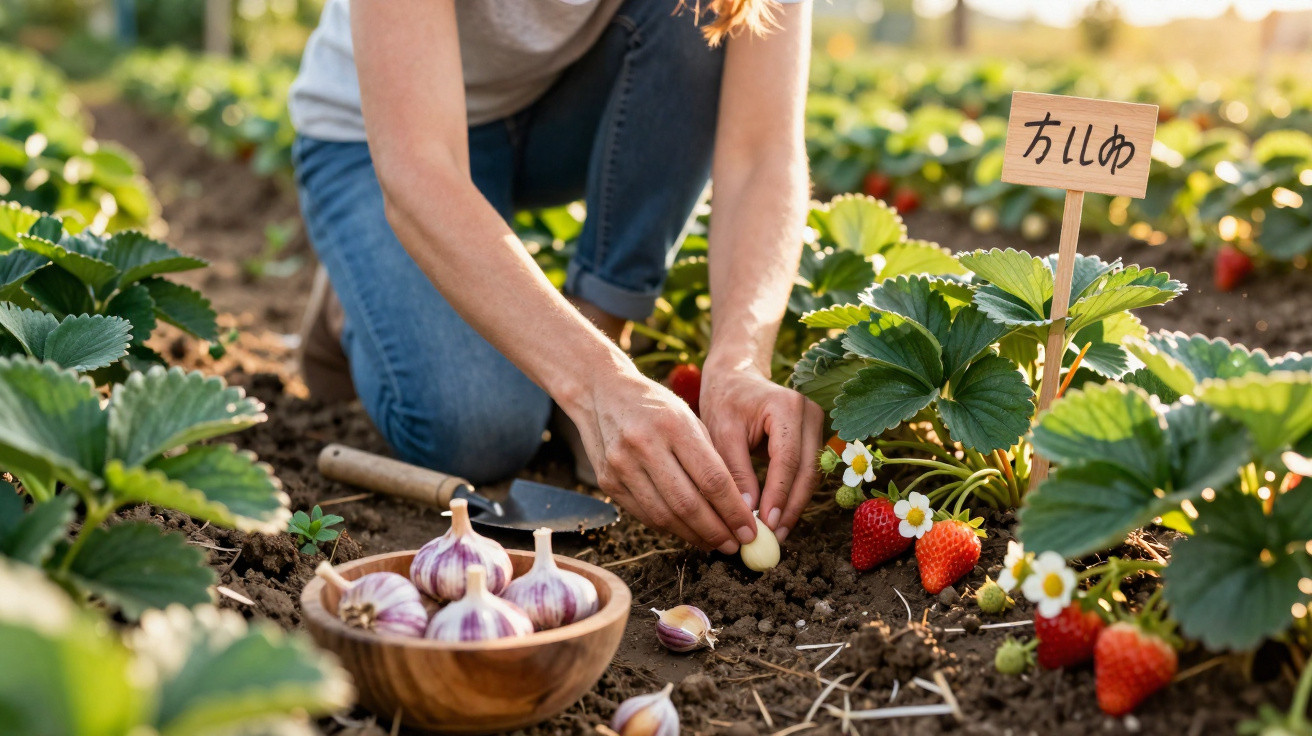
A remarkably straightforward method has become popular in vegetable gardens: plant one individual garlic clove directly near the root area of the strawberries. That is all that is needed. No spray bottle and no costly specialist products.
“A single garlic clove for every one or two strawberry plants can noticeably reduce pest activity in the bed – without poison or spraying.”
The chemistry behind it is easy to explain. Garlic contains allicin, among other compounds, a sulphur-containing substance. As the garlic grows, these substances enter the surrounding soil and the air immediately around the plants. Many insects, some fungi and certain soil organisms do not tolerate this environment well.
This approach is known as companion planting or plant partnership. The strawberries benefit from a “cleaner” soil environment, while the garlic chiefly acts as a natural disruptor for unwanted visitors.
How to plant garlic correctly in a strawberry bed
Choosing the right clove
Not every garlic bulb from the supermarket is equally suitable for growing in the garden. To achieve a genuine result, look for the following:
- The clove should be firm and plump.
- It must have no signs of mould or soft patches.
- Choose organic garlic or locally grown produce where possible, as imported bulbs may have been treated to inhibit sprouting.
Chemically treated garlic may sprout poorly, or not at all. Without a sprouting clove, the whole method has no effect.
Spacing, depth and planting time
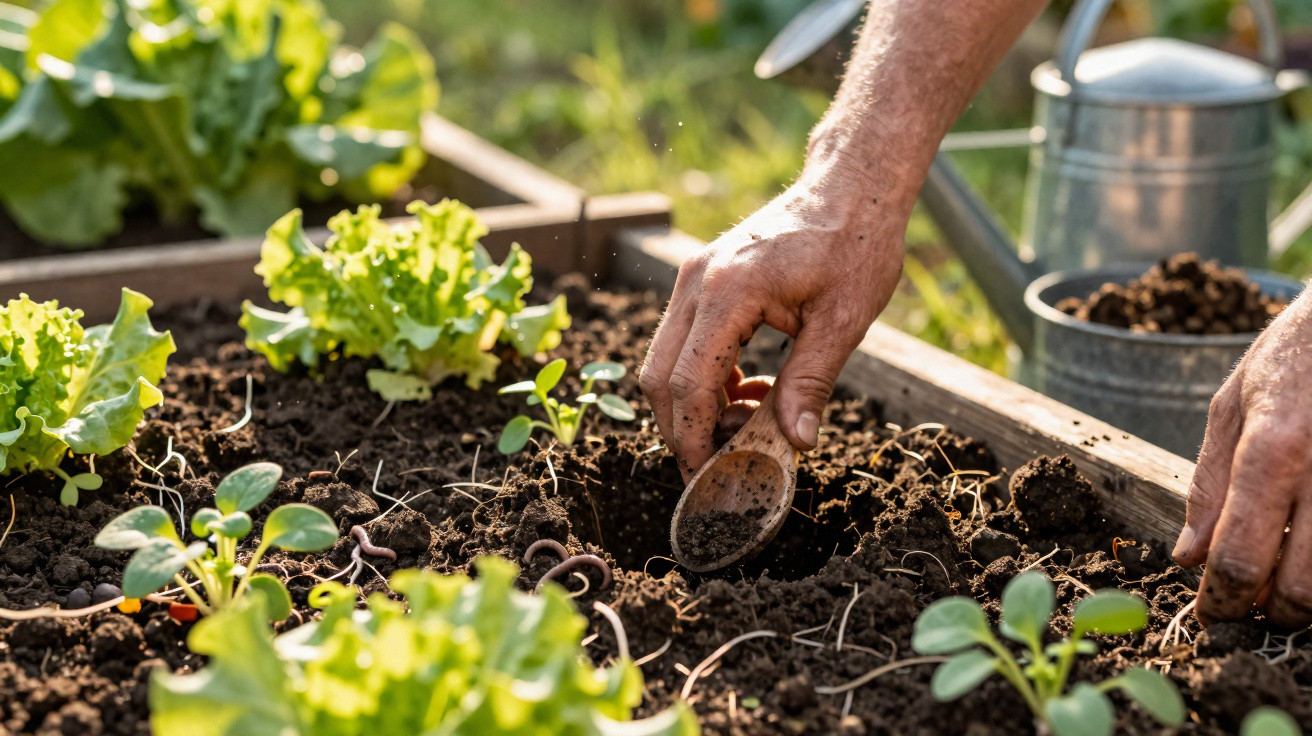
Planting is uncomplicated, although a little accuracy is worthwhile:
- Spacing: 5–10 cm away from the crown of the strawberry plant.
- Position: Place the pointed end of the clove facing upwards.
- Depth: Set it 2–3 cm below the soil surface and cover only lightly.
- Quantity: One clove is enough for one or two strawberry plants.
You have considerable flexibility when it comes to timing. The best options are:
- Autumn, when the bed is being worked over anyway.
- Late winter, once the ground is free from frost.
- Spring, as the strawberries begin the new growing season.
Those who start in spring will usually notice an effect during the same season, although it builds up gradually.
What happens in the bed: effects and limits
Nothing visible happens immediately after planting. The garlic clove needs time to produce roots and begin growing. Once that growth starts, so does the “protective shield” around the strawberry plants.
“After a few weeks, many gardeners report fewer nibbled fruits, healthier foliage and more vigorous strawberry plants.”
The potential effects at a glance:
- Less feeding damage to leaves and fruit.
- More resilient plants that do not appear depleted as quickly.
- A lower risk of grey mould on berries, as the soil conditions become less inviting to certain fungi.
- No harm to bees and other beneficial insects, because nothing is sprayed.
Garlic does not, however, replace proper overall care. Heavy rain, overcrowded planting, an unsuitable site or constantly wet conditions can still cause problems. Some slugs will also crawl straight past garlic plants without being deterred. The effect can be noticeable, but it is not a magic trick that solves every issue overnight.
Bonus benefit: a harvest and aromatic protection
Leaving the garlic plants in place brings an additional benefit: in summer, you can harvest the bulbs and use them as ordinary kitchen garlic. Many home gardeners also snip the green shoots from time to time, using them fresh in the kitchen like spring onions.
The aroma continues to work in the bed for as long as the garlic is growing and remains in the soil. Even after flowering, many gardeners report that their strawberry plants stay more stable and that the fruit develops a more intense flavour. Whether this can be measured objectively is open to question, but many feel their berries taste “stronger”.
Fitting garlic into a smart strawberry strategy
Garlic works best when it forms part of a well-planned strawberry-growing approach. Useful additions include:
- Generous spacing between plants, allowing foliage and fruit to dry more easily.
- A mulch layer of straw or wood chippings to reduce splashback and prevent fruit from touching wet soil.
- Regular removal of old, rotten or heavily affected leaves.
- Targeted watering at the roots rather than over the foliage.
Particularly in small gardens, combining good care, companion planting with garlic and moderate watering produces much more robust plants. Anyone who has previously replanted every year can often keep a strawberry patch healthy for several years with this method.
Frequently asked questions from everyday gardening
Does the smell affect the taste of strawberries?
It is a common concern: will the strawberries end up smelling of garlic? Under normal circumstances, no. Garlic primarily influences the soil environment and the area directly around the plants. The fruit does not take on the aroma to any noticeable extent. Many people even find that the berries taste especially flavoursome because healthier plants can ripen fully.
Can I work garlic scraps or skins into the soil instead?
Skins and kitchen scraps are better used to improve compost than as a targeted “protective companion”. The effect described here requires living cloves that can sprout. Only then are the desired substances released continuously into the strawberries’ surroundings.
How long does the effect last?
In principle, the influence continues for as long as the garlic is growing and remains in the soil. Many gardeners leave the plants in the same place for one or two years, adding new cloves between the rows when needed. Once the bulbs have been harvested, simply plant fresh ones to replace them.
Why this garlic trick is so appealing to home gardeners
Its greatest attraction is its simplicity: a bulb of garlic costs very little and is often already sitting in the kitchen. The work involved is minimal, with one spadeful of soil per plant being enough. There is no need for protective clothing, complicated mixing ratios or concerns about beneficial insects.
Anyone who loves strawberries but does not want to use harsh chemicals or spray constantly may find this small garlic clove to be a surprisingly effective ally. It is a practical, everyday solution for family gardens, community plots and balcony gardens alike, and can make the strawberry season far more relaxed.
Comments
No comments yet. Be the first to comment!
Leave a Comment