
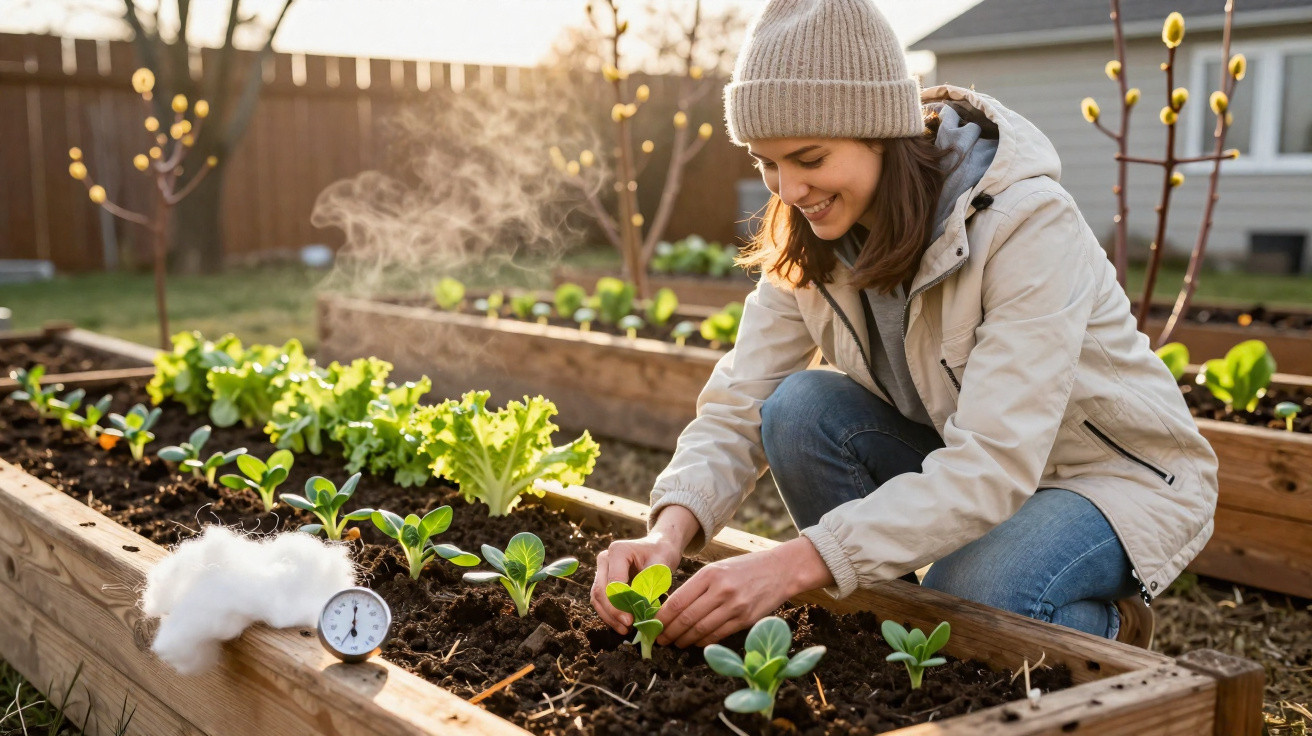
Old gardening lore about the so-called Ice Saints is deeply ingrained. As soon as temperatures rise, many gardeners look at the calendar and put the brakes on again. Yet plenty of ornamental plants, fruit trees and vegetables can be planted much earlier without immediately suffering when cold weather returns. Knowing which species are genuinely sensitive and which cope easily with cold helps you get far more from the gardening year.
What the Ice Saints really mean
The days around 11 to 13 May are traditionally regarded as the final period when dangerous late frosts may occur. In popular tradition, three saints gave this weather phenomenon its name. Meteorologically, it mainly means that a mild spell may still be followed by a brief cold snap with overnight frost.
What matters is not the date but the actual local weather conditions. In some years, nothing happens at all; in others, temperatures in lowland areas suddenly drop below zero again. Young plants raised in a warm greenhouse or on a sunny windowsill are especially vulnerable to this.
“The rule of thumb is this: the calendar does not decide; the deciding factors are the plant species, where the young plant was raised and the expected night-time temperature.”
Plants raised outdoors or in an unheated polytunnel become hardened from the outset. They withstand short cold spells much more readily than pampered specimens grown indoors.
These ornamental plants can go into the garden before mid-May
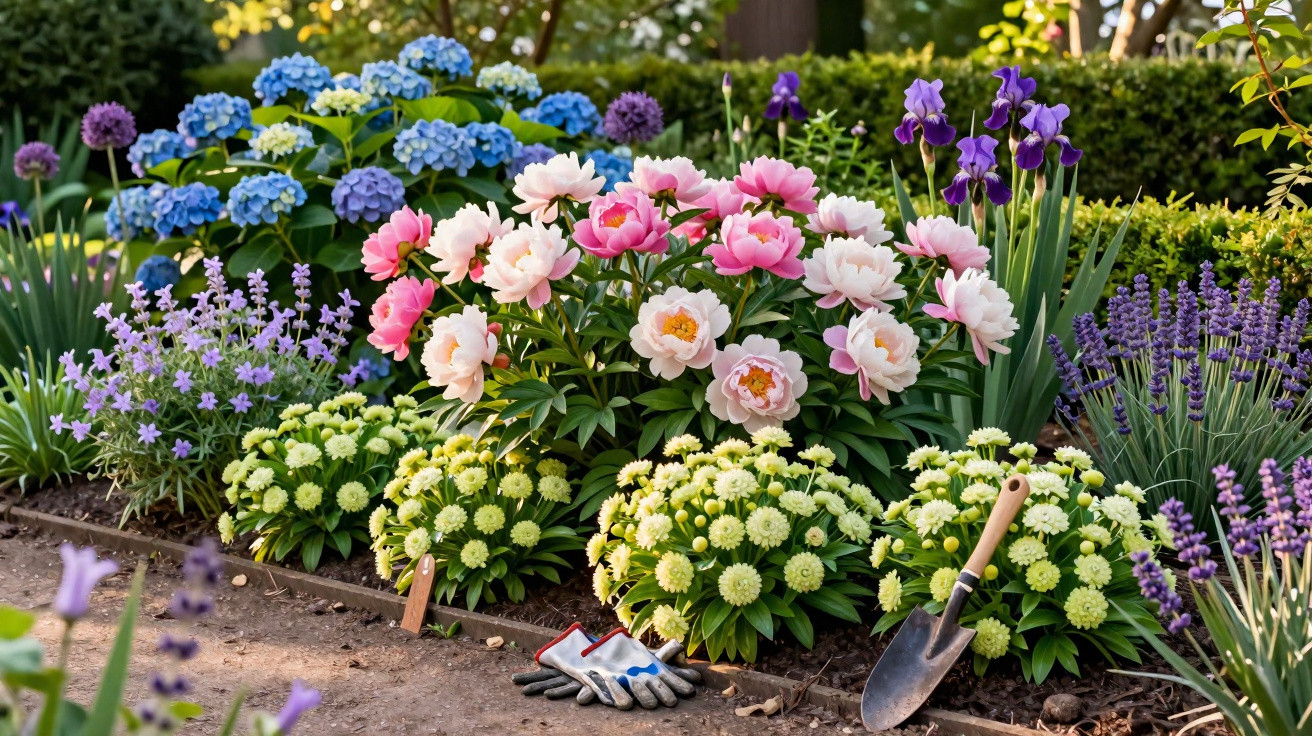
Your borders do not need to remain empty until after the Ice Saints. Many early-flowering and perennial plants can be planted as early as March or April, even while nights are still chilly.
Cold-tolerant flowering plants for borders
- Pansies and horned violets: classic spring flowers that cope well even with light overnight frost.
- Primroses: ideal splashes of colour for window boxes and borders; they prefer cool weather to heat.
- Ranunculus: add vivid colour to borders; cover them with horticultural fleece during severe frost in exposed locations.
- Sweet alyssum, wallflowers and similar spring flowers: provide early colour and are much tougher than their delicate appearance suggests.
For a longer-lasting garden display, it is worth planting hardy perennials and flowering shrubs early in the season:
- Asters: perennial and frost-hardy, they make a strong start to the season when planted early.
- Japanese anemones: favour free-draining soil that is not overly wet, and benefit from having longer to establish.
- Box and other structural shrubs: cope well with spring planting as long as the ground is not waterlogged.
- Ornamental cherries: flowering shrubs that can be planted early in sheltered sites, allowing them to root well before summer.
- Lenten roses and Christmas roses: typical cold-loving plants that handle cold better than summer heat.
“Many so-called winter-hardy or frost-hardy perennials reward an early start with strong root development and visibly fuller growth in summer.”
Fruit trees and berry bushes: early planting pays off
Fruit trees are among the biggest beneficiaries of an early start. Planting them in good time lets them form new roots before the first summer heat and establish more successfully.
Which fruit varieties can be planted early – and which should wait
| Tree or shrub | Spring planting time | Frost sensitivity |
|---|---|---|
| Apple tree | from March, once the soil is frost-free | reliably frost-hardy, with relatively robust blossom |
| Pear tree | plant early, March–April | tree is hardy, blossom is moderately sensitive |
| Cherry | possible early, preferably before full leaf growth | blossoms react to late frost, but less severely |
| Peach | preferably slightly later or in a very sheltered spot | blossom is extremely frost-sensitive |
| Apricot | best in a sheltered location, not in frost pockets | blossoms are quickly damaged by late frost |
Berry bushes are similarly tough to many fruit trees. The following are particularly suitable for early planting:
- Raspberries
- Redcurrants
- Gooseberries
- Blackberries (preferably thornless varieties trained against a trellis or fence)
They give the garden structure, provide screening and, when planted early, lay the foundations for good summer harvests. Loose, humus-rich soil and a thick mulch layer around the roots help protect against temperature fluctuations.
Vegetables: what can already go into the ground – and what must wait
Many crops in the vegetable garden can be grown considerably earlier than people assume. Choosing the right plants makes ideal use of spring’s cool conditions.
Vegetables that thrive in cool temperatures
Hardy varieties can be sown or planted directly from March and April:
- Peas and broad beans: germinate reliably in cool conditions, but do not tolerate waterlogging.
- Carrots: withstand cold, although they need patience to germinate.
- Radishes: classic early starters, often ready to harvest after only a few weeks.
- Potatoes: possible from mid-March, as the tubers are well protected by the soil layer; earth them up if frost is forecast.
- Onions, garlic and shallots: when planted early, they provide a first harvest of fresh green shoots after four to eight weeks.
“Many so-called winter or spring vegetables cope with light frost without difficulty – the real problem plants are warmth-loving species from tropical and subtropical regions.”
These frost-sensitive plants should remain indoors for now
Typical sun lovers are truly vulnerable, reacting strongly to temperatures below five degrees:
- Tomatoes
- Courgettes and pumpkins
- Melons
- Peppers and chillies
- Aubergines
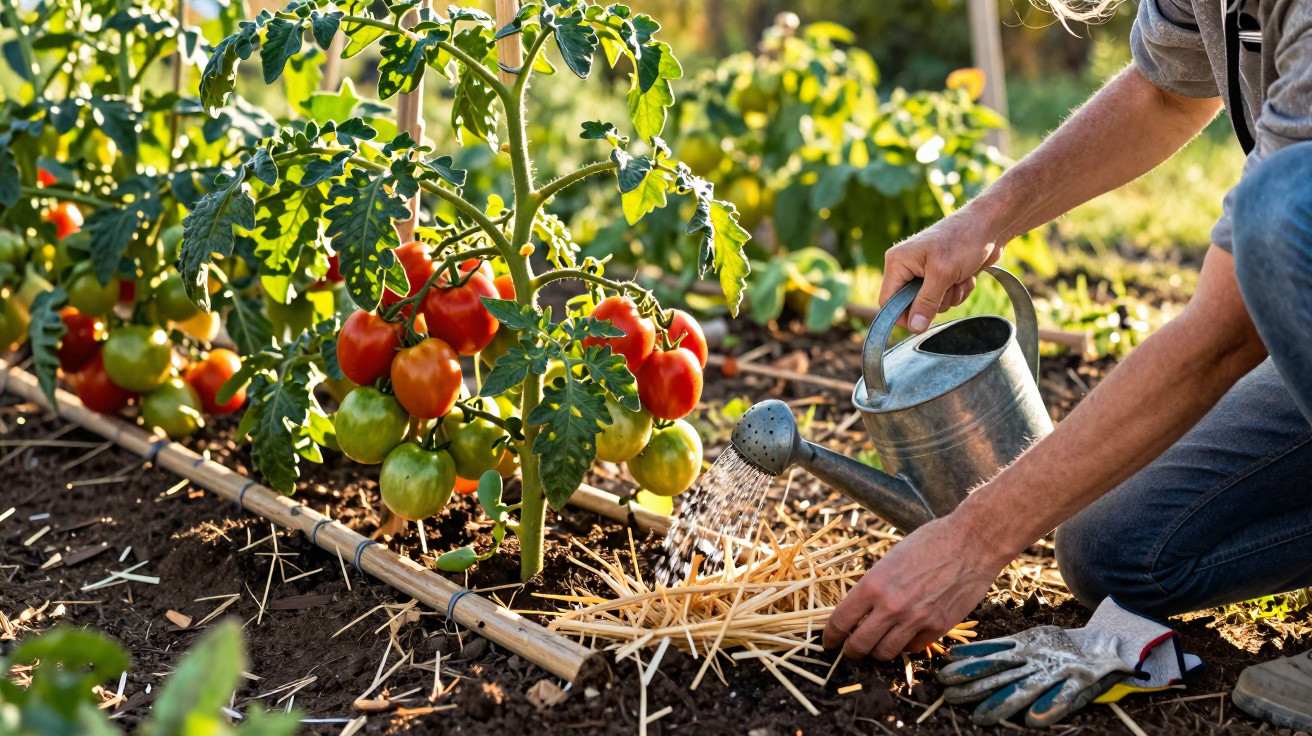
These crops should not be moved outdoors until after the Ice Saints, once night-time temperatures remain consistently above eight degrees. Anyone wanting to plant them earlier in beds or large containers needs dependable protection from a polytunnel, cold frame or securely fixed horticultural fleece.
Culinary herbs that can already go outside
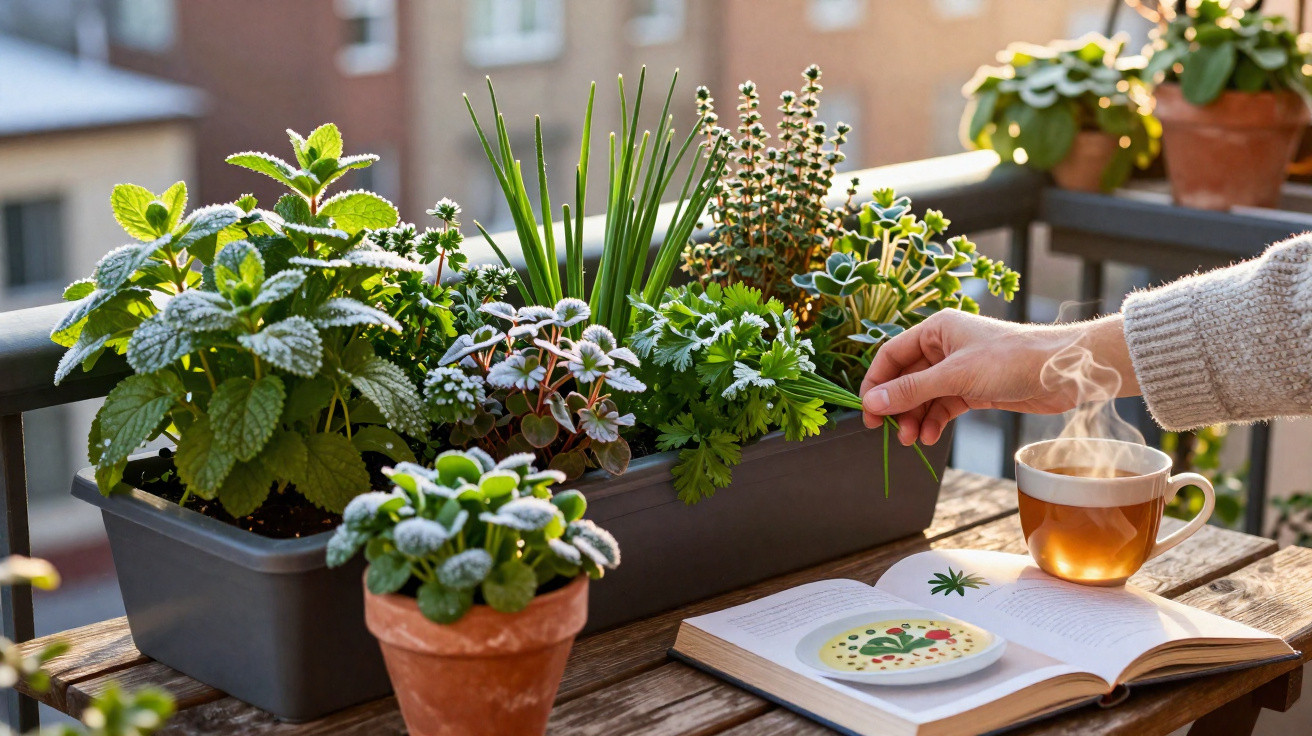
With herbs too, it pays to consider their origins. Mediterranean species accustomed to sunshine and dry conditions are not automatically frost-sensitive – many cope with cool nights better than their reputation suggests.
- Parsley: hardy and comfortable in fresh temperatures.
- Mint: grows almost anywhere, but is best kept in a pot because of its vigorous spread.
- Rosemary: hardy in mild regions and benefits from an early spring start in a well-drained bed.
- Chives: usually reappear on their own and tolerate early division or new planting.
Basil is extremely sensitive, by contrast. Even a brief touch of frost can kill it. Keep this plant indoors or in a protected greenhouse for as long as possible, ideally close to a bright window.
Hardening off plants and protecting them from cold
Young plants raised indoors or in a warm greenhouse should not be thrown straight into full spring conditions overnight. The transition needs a little planning.
- Place plants outside in shade first, for a few days.
- Gradually extend the time outdoors and slowly introduce more sun.
- Until then, keep them indoors or in a protected area on nights below five degrees.
- Later, protect them with horticultural fleece, plastic sheeting or a lightweight cold-frame cover when frost is forecast.
Simple horticultural fleece, loosely laid over hoops or stakes, can buffer several degrees of cold. In windy locations, a layer of mulch over the soil is also worthwhile: it moderates temperature swings and protects the roots.
Why planting early is genuinely worthwhile
Developing a feel for hardy species brings several benefits: the gardening season begins earlier, plants make the most of moist spring air, and the garden no longer looks bare for weeks. Many crops repay this head start with stronger roots, better drought resistance in summer and often higher yields.
It also helps to understand your own plot more closely. Frost collects in dips, while cold air drains away more easily on gentle slopes. A sheltered courtyard behaves differently from an exposed hillside. Anyone familiar with these microclimates can choose safer positions for sensitive species and place hardier candidates where conditions are more challenging.
There is, of course, always some risk because the weather does not invariably cooperate. Even so, there is no need to wait passively until mid-May. With the right plant selection, a little protective equipment and close attention to the forecast, the garden can come alive in early spring – without worrying over every cold night.
Comments
No comments yet. Be the first to comment!
Leave a Comment