
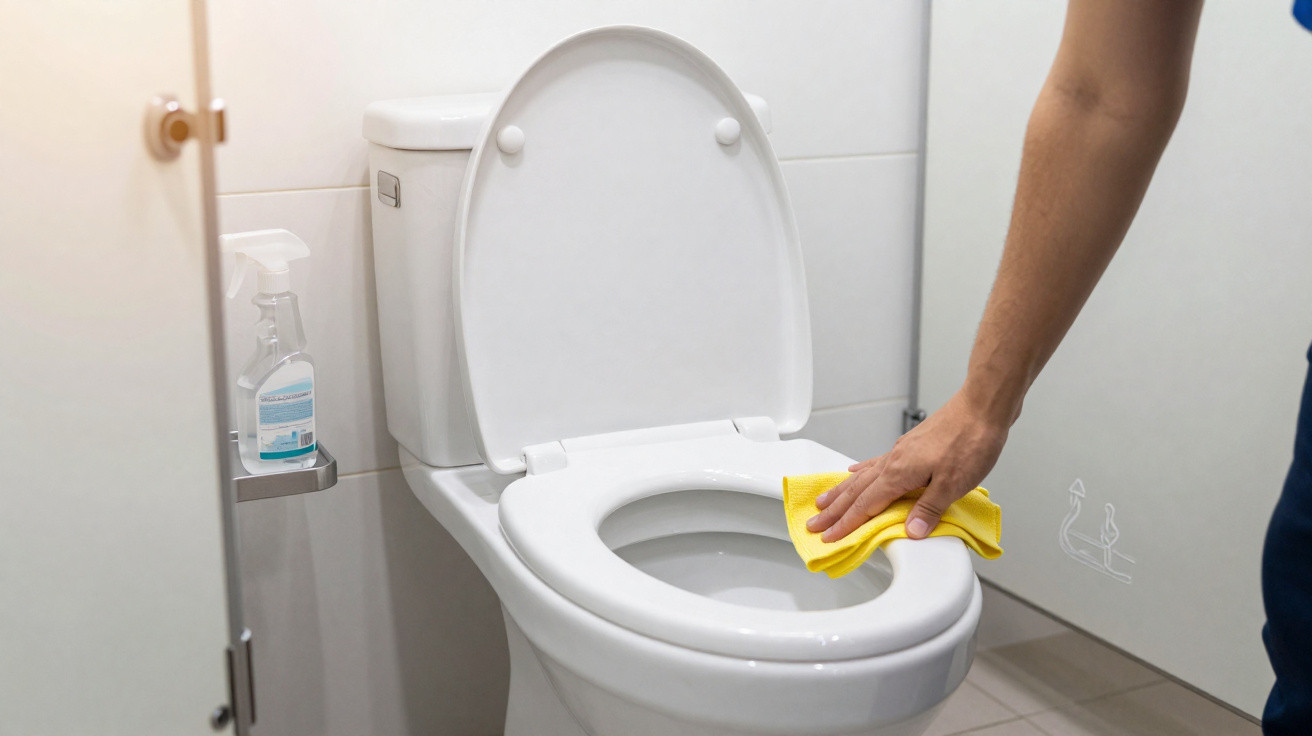
Organising shared spaces calls for planning centred on usability and continuous movement. When toilet bowls in high-traffic settings are assessed, many details can go unnoticed despite having clear reasons. Understanding the technical engineering behind them shows how minor structural adjustments deliver genuine efficiency.
Why do some public toilets use this particular model?
Using different standards in high-turnover locations meets technical building-safety requirements. Looking at the installation of a particular toilet seat shows that its geometry is designed to reduce day-to-day maintenance issues caused by use by many different people.
This technical specification is intended to address operational needs that directly affect upkeep costs. Choosing components with an open front limits unnecessary physical contact and provides sound guidance for modern designs that prioritise the durability of the materials used.
- Simplified maintenance: Purpose-designed structures make regular cleaning of shared areas easier.
- Functional design: Specific shapes prevent the unwanted build-up of organic waste.
- Corporate standard: Standardised elements ensure compliance with worldwide building codes.
What do specialists say about the practical use of this item?
Building-development specialists maintain that fixture choices must follow strict principles. A clear example is the design of a shopping centre toilet, where heavy footfall requires solutions that reduce cross-contamination during shared use.
Installing seats with particular cut-outs follows international engineering construction codes. The key aim is to provide suitable positioning, ensuring that the U-shaped form performs its function in complete integration with the other installed plumbing elements.
A structural assessment of each sanitary ware item highlights important differences between commercial standards and official regulations on general architectural accessibility, as shown in a detailed, practical and direct manner on Ricardo Shimosakai's YouTube channel in relation to these public toilet bowls:
How does this choice affect maintenance and the user experience?
Effective management of shared toilets depends directly on selecting every technical and structural component correctly. When designers specify functional elements, their main goal is to ensure optimum hygiene while cutting the daily cost of intensive cleaning work.
Building maintenance considerations
Durability and resistance
Selecting highly resistant materials drastically reduces the expense of frequent replacements in commercial areas.
Well-planned installations prevent chronic plumbing problems and improve the public's perception that the space is properly cared for.
Alongside the obvious financial benefits, careful selection of suitable sanitary ware influences the sense of comfort experienced by passing customers. To explain more clearly how this process works in technical practice, the main quality and excellent ergonomics factors are listed below:
- Straightforward daily cleaning for contracted teams.
- Less water waste through integrated flushing systems.
- Assured anthropometric comfort for the end user.
What common myths surround this type of installation?
Many users wrongly believe that certain design modifications exist solely for aesthetic purposes or universal accessibility. However, engineering regulations disprove these widespread assumptions, showing that correct planning focuses on structural durability and complete sanitary safety.
To settle the main questions surrounding the choice of these specific elements in major commercial projects, below are recurring myths that often confuse facilities managers when planning the full refurbishment of each modern shared environment:
- The mistaken notion that the shape is purely aesthetic.
- The common error of linking the cut-out to accessibility standards.
- The false belief that these fittings make users less comfortable.
How can the best option be identified for high-traffic projects?
The ideal model for high-footfall facilities should be chosen using data on resistance and ease of everyday maintenance. Reviewing manufacturers' track records supports a specification that meets the standards of excellent performance in modern engineering.
Ultimately, investing in components that combine regulatory compliance with efficiency changes users' perception of the quality of the managed space. This achieves the right balance between controlled housekeeping costs, high durability and the full efficiency of the entire infrastructure.

Comments
No comments yet. Be the first to comment!
Leave a Comment