
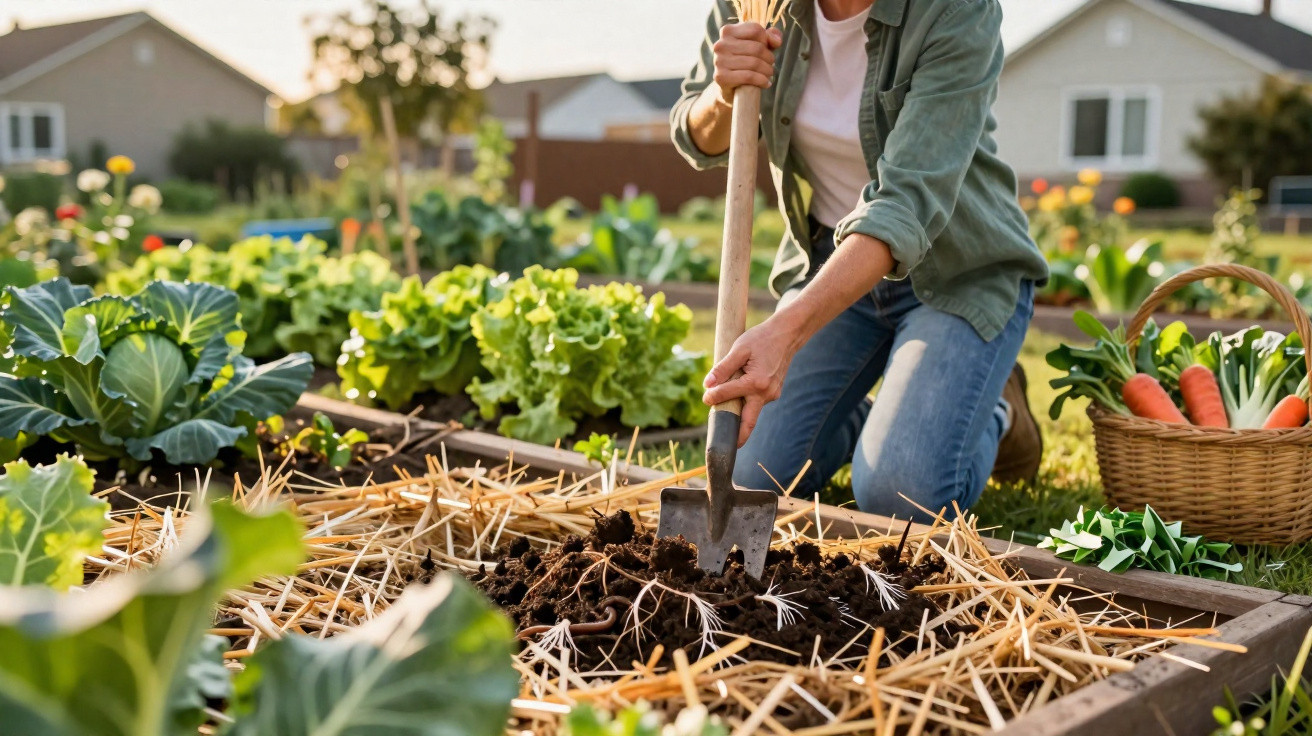
The scene is a familiar one: the first mild days arrive, the sun breaks through and, before long, you are standing in the vegetable patch with a spade. The soil is turned deeply, broken down into fine crumbs and left looking neat. It is exactly how parents and grandparents used to do it. Yet an increasing number of soil experts are sounding the alarm: this ritual causes far more harm to the garden than good.
Why the idea of a “neatly dug-over bed” is misleading
For decades, gardening has had an unwritten rule: anyone wanting a tidy vegetable bed must put in serious physical effort. Your back aches, blisters form on your hands – and only then does the work feel “proper”. Many people assume that only deeply loosened, completely bare soil can produce vigorous plants.
The issue is that this belief largely comes from industrial farming. There, machinery ploughs enormous areas deeply. That model was later simply transferred to the home garden. But a 20-square-metre vegetable plot works very differently from a field covering hundreds of hectares.
There is also aesthetic pressure. A brown, “tidy” bed without a blade of grass is often seen as proof of diligence and control. In nature, however, bare ground is a warning sign: healthy soil is almost always covered, whether by plants, fallen leaves or mulch.
Anyone who treats their soil like a freshly mopped kitchen floor is forcing it into a state that hardly exists in intact ecosystems.
What is really happening below the surface
When digging, all we see are brown clumps of soil. Beneath the surface, though, a complex world is at work. Soil is its own habitat, containing countless organisms, delicate structures and sensitive networks.
Earthworms: builders – and victims
Earthworms are rightly regarded as the gardener’s best friends. They pull organic matter into the ground, improve aeration and create stable channels through which water can drain. Species that form vertical burrows in particular are vital to the natural water balance.
Traditional digging destroys these tunnels with every push of the spade. Worms suddenly end up on the surface, where they dry out in the sun or are taken by birds. Their numbers decline, the soil becomes denser and it reacts more sensitively to heavy rainfall.
The invisible fungal network is severed
Another casualty is mycelium. Fine fungal threads link plant roots underground and act as an exchange system. This network transfers nutrients, water and even warning signals about pest attacks from one plant to another.
Every cut made by a spade severs these connections. Plants then have to start again, rebuilding new symbiotic relationships. Energy that could otherwise support growth, flowering and fruit production is instead used for repair work.
How loose soil turns into concrete
Many gardeners will recognise this: immediately after digging, the soil feels light and fluffy. After the first heavy downpours, the surface becomes a hard, cracked crust. Specialists refer to this as slaking or surface crusting.
The reason is that stable soil is made up of small crumbs known as aggregates. These are held together partly by root exudates, fungal networks and bacterial glues. Intensive cultivation breaks these crumbs down into dust. When rain falls on these fine particles, they stick together, block the pores and then dry into a hard layer.
The more often soil is dug over vigorously, the more it loses its natural crumb structure – and the more compacted it becomes over time.
Many gardeners respond by reaching once more for the spade and hoe. This begins a vicious circle: more work, poorer soil structure, then even more work.
Why persistent digging encourages weeds
Another consequence affects many people directly: weed problems. Anyone who digs their beds over meticulously often wonders why fresh wild plants keep appearing.
Soil contains millions of dormant seeds. Many lie deep down and do not germinate for years. They only awaken when light and air reach them. Digging does exactly that: it brings seeds to the surface and sets them growing.
- Each spadeful brings old seed reserves up to the surface.
- Warmth, light and oxygen activate them quickly.
- The gardener must then keep pulling, hoeing and weeding.
By contrast, those who disturb the soil as little as possible and keep it covered leave many of these seeds permanently in darkness. They remain inactive, greatly reducing maintenance.
When soil becomes nutrient-dependent like an addict
One common argument for digging is: “That gets nutrients to the roots.” In the short term, this is indeed true. The sudden rush of oxygen sends bacteria into overdrive. They break down organic matter very quickly, releasing nutrients.
But this effect is a flash in the pan. Humus reserves shrink because they are mineralised faster than fresh organic material can be supplied. Year after year, the soil loses its ability to retain water and fertiliser. Eventually, all that remains is a growing medium that functions only with continual fertiliser applications.
Anyone who digs deeply on a regular basis is living off their soil’s capital – like someone burning through savings without earning new money.
The result is rising expenditure on fertiliser, sensitive plants and beds that appear washed out after every thunderstorm.
Gentle alternatives: loosening soil without destroying it
The good news is that nobody needs to give up gardening altogether. The aim is to work differently: more gently, more selectively and with greater trust in natural processes.
Use a digging fork rather than a spade
A popular tool in nature-friendly vegetable growing is a digging fork with several tines. It is inserted vertically into the soil, tilted slightly backwards and then pulled out again. The soil is loosened without mixing up its layers.
This largely allows microorganisms to remain in their usual habitat. Water and air can still reach deeper layers. Those using this method for several years will usually notice that the soil becomes increasingly loose by itself.
Let roots, mulch and earthworms do the work
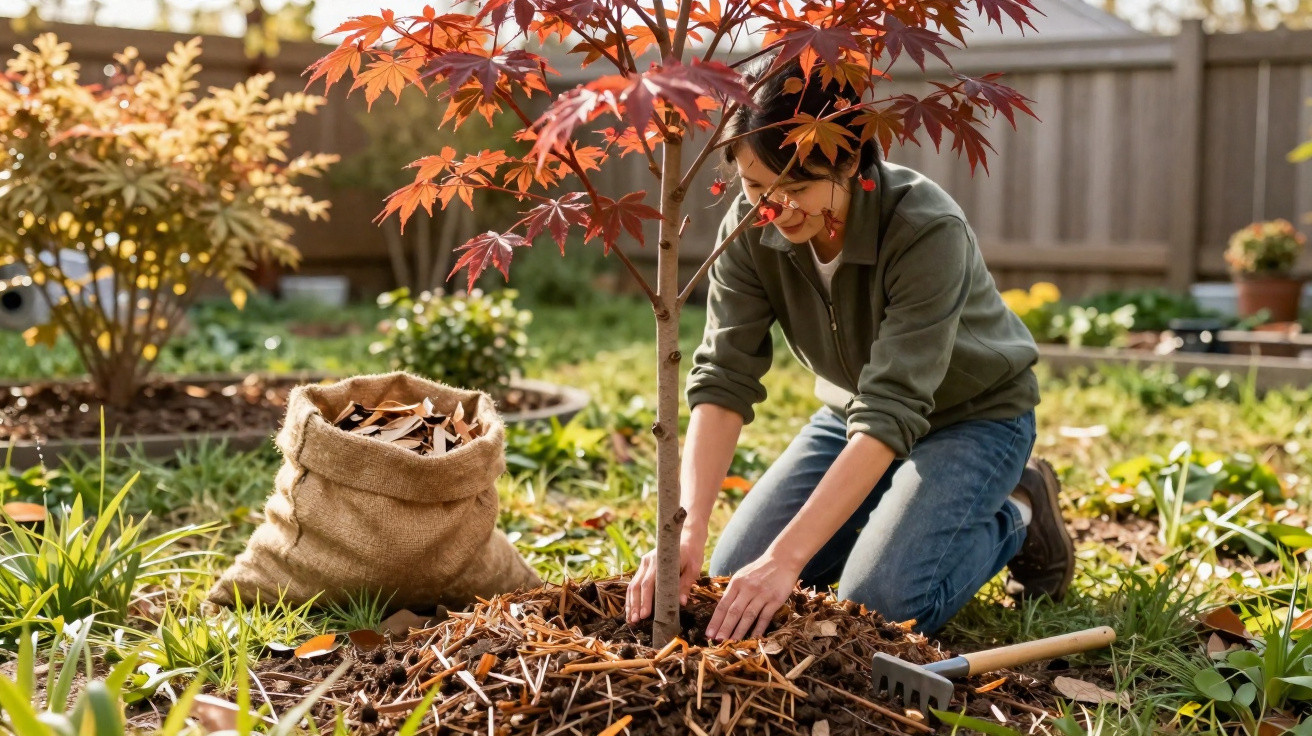
Gardeners who rely on living and dead plant material take an even more elegant approach. Rather than sending beds into winter bare, they keep them covered with:
- leaves, straw or woodchips as a protective layer;
- cardboard without coloured inks to suppress stubborn weeds;
- cover crops such as phacelia, mustard or rye with deep roots.
This layer protects against heavy rain, reduces evaporation and provides food for soil organisms. Earthworms pull the material downwards, loosening the soil as they do so and building humus. The roots of cover crops penetrate the ground, then die back and leave channels through which later crop plants can grow more easily.
How a “lazy” gardener suddenly harvests more
Many people who switch to no-dig methods report surprising changes after one or two years: less back pain and fewer weeds, alongside stronger plants and improved water retention. A well-structured, living soil is especially valuable in years with extreme weather conditions.
Anyone wishing to make the change gradually can start small: cultivate one bed conventionally, then manage another using only a fork and mulch. After a single season, differences in moisture, root growth and weed pressure can usually be seen with the naked eye.
There is another benefit too: children helping in the garden learn, almost without noticing, just how sensitive and capable soil life is. The area behind the house becomes less of a “workplace” and more of a small ecology learning lab.
Practical tips for changing approach in your own garden
| Old habit | Gentle alternative |
|---|---|
| Dig everything deeply every spring | Loosen only where needed; do not cultivate paths and permanent beds at all |
| Leave beds bare over winter | Apply a layer of mulch or sow cover crops |
| Weed “tidily” until not a single blade remains | Accept a loose soil covering and remove only troublesome plants selectively |
| Use large amounts of artificial fertiliser | Use compost, green manure and slow-release organic fertilisers |
January and February are particularly suitable months for making the change. Instead of waiting for the first frost-free day to start digging with a spade, inspect the soil surface: where could more leaves be added, where could a cover crop be sown, and which beds should remain permanently covered in future?
Those who embrace this shift will rely less on muscle power and more on observation in the years ahead. It requires a little patience, but rewards you with a garden that is more resilient, easier to maintain and much closer to natural processes than the traditionally “deeply dug” showpiece soil.
Comments
No comments yet. Be the first to comment!
Leave a Comment