
Moving home repeatedly, but attached to your plants?
With a cleverly planned rental garden, none of your favourite plants need to be left behind when it is time to move.
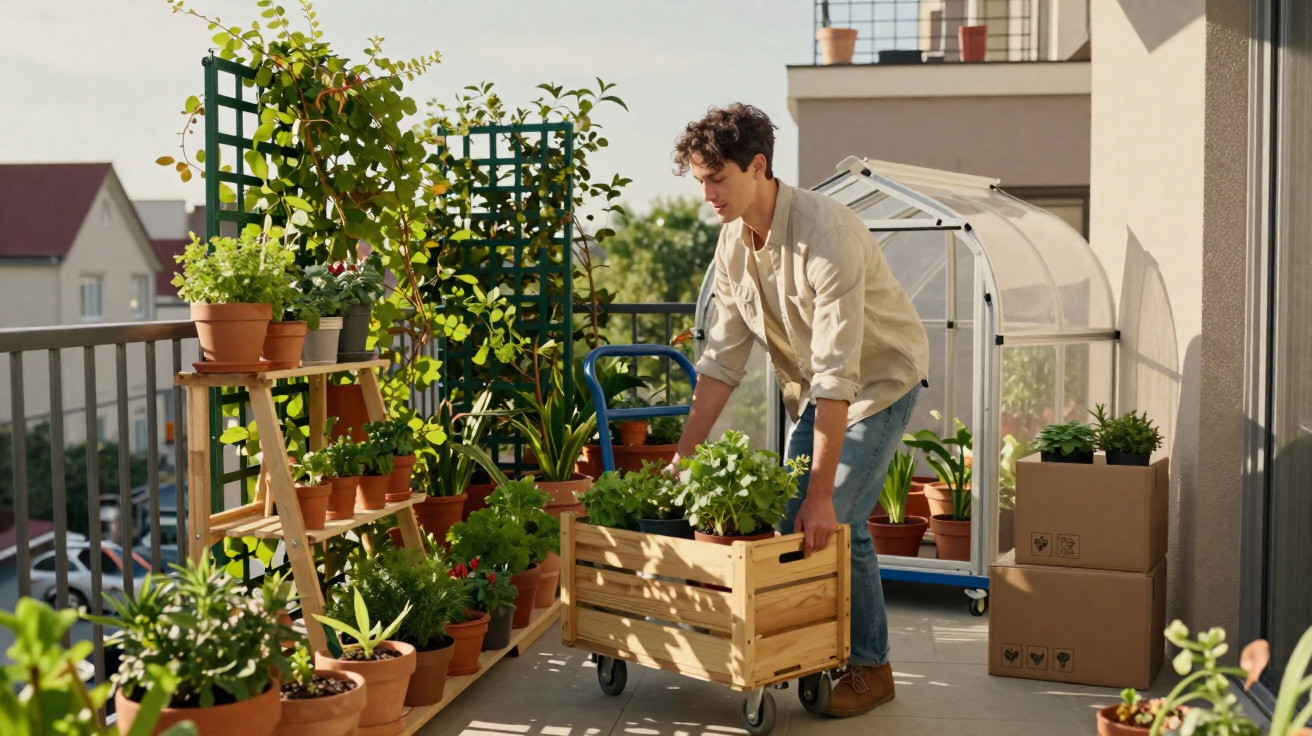
Anyone who rents and enjoys gardening will know the dilemma: the balcony is too small, the garden is not truly “their” soil, drilling into masonry is forbidden – and moving out often means leaving behind a beloved green centrepiece. Yet an outdoor space can be arranged so that it can be taken along almost like a piece of furniture. This approach is called a mobile garden: everything remains portable, from raised beds to a miniature hedge in a container.
Why a mobile garden is a game changer for tenants
A mobile garden is made up almost entirely of pots, planters, lightweight raised beds and freestanding climbing supports. Nothing is planted permanently in the ground, and nothing is screwed into walls or fences. Every element simply stands in place, can be repositioned, and, if necessary, lifted into a van.
The outdoor area remains compliant with the tenancy agreement, while the plants simply move with you – ideal for people who change address more often.
This offers several benefits straight away:
- The deposit is less at risk because the lawn and soil are largely left untouched.
- The garden can be adjusted flexibly to suit sunshine, wind and the seasons.
- Valuable perennials, shrubs and herbs move to the new home rather than being left for the next tenant.
Before starting, it is worth carrying out a quick check: read the tenancy agreement to see whether there are rules on using the balcony or garden. Check the balcony’s load capacity so that large containers do not become hazardous. It is also wise to photograph the garden’s existing condition, as this may help if there is any debate when moving out.
Five portable planting ideas ready for moving day
Rather than buying pots at random, it helps to use set planting schemes. The following five ideas work on a balcony, terrace or rented lawn and can be incorporated into a move with only a few simple steps.
1. A mobile container border as a flexible boundary
A “border made from pots” recreates a flowerbed without disturbing the ground. Position containers close together on a gravel strip, along a fence or at the edge of a terrace.
- at the back: tall containers with ornamental grasses, lavender, a small olive tree or columnar fruit trees
- in the middle: medium-sized pots containing sage, hardy perennial geraniums or compact roses
- at the front: trailing or semi-trailing plants such as verbena, ivy or Dichondra
Heavy containers are best placed on plant caddies. This makes it possible to shift the border within minutes, or separate it for loading and transport.
2. Green privacy screening with a freestanding trellis
If drilling for a privacy screen is not permitted, use a self-supporting trellis instead. Simply place it in front of a wall and weigh it down at the base with two long planters.
Fill the planters with climbing annuals such as nasturtiums, sweet peas or morning glories. Within one season, they will cover the trellis. Strawberries or low-growing herbs can also be planted around the edges of the same planter to cover the soil.
Moving day is straightforward: put the planters into the vehicle, fold the trellis or lay it flat, then set the green screen back in position at the new garden.
3. A movable herb ladder for tiny balconies
A simple wooden ladder, ready-made plant stand or converted bookcase is enough to create a vertical herb corner. Arrange rows of small pots along the shelves or steps.
Organising plants by their light requirements makes care easier:
- at the top: basil, thyme and rosemary – all sun-loving varieties
- in the middle: chives and parsley, which need moderate light
- at the bottom: mint in its own pot, as it spreads enthusiastically, along with cut-and-come-again salads
Place the unit on a protective mat and lean it lightly against the wall, without fixing it in place. When moving out, it works just like furniture: pack the pots into boxes, carry the ladder away, and the job is done.
4. A compact PVC greenhouse for sensitive plants
A compact polythene greenhouse with shelving provides room for young plants, potted tomatoes, peppers or delicate summer flowers. It can stand on a terrace or in a quiet corner of the lawn.
Benefits include:
- an extended growing season for vegetables and flowers
- effective protection from wind, heavy rain and slugs
- complete dismantling into poles, cover and shelf inserts
For the move, take out the plants or place them in crates while still in their pots. The frame separates into just a few parts, taking up very little space in the vehicle.
5. A lightweight raised bed on wheels or a pallet
A shallow, lightweight planter – preferably made from wood or plastic – can be placed directly on the lawn or set on a sturdy pallet fitted with castors. Fill it with a blend of soil and compost.
A simple layout for varied use:
| Quadrant | Planting |
|---|---|
| 1 | Culinary herbs, such as oregano, thyme and chives |
| 2 | Salads and radishes for continuous harvesting |
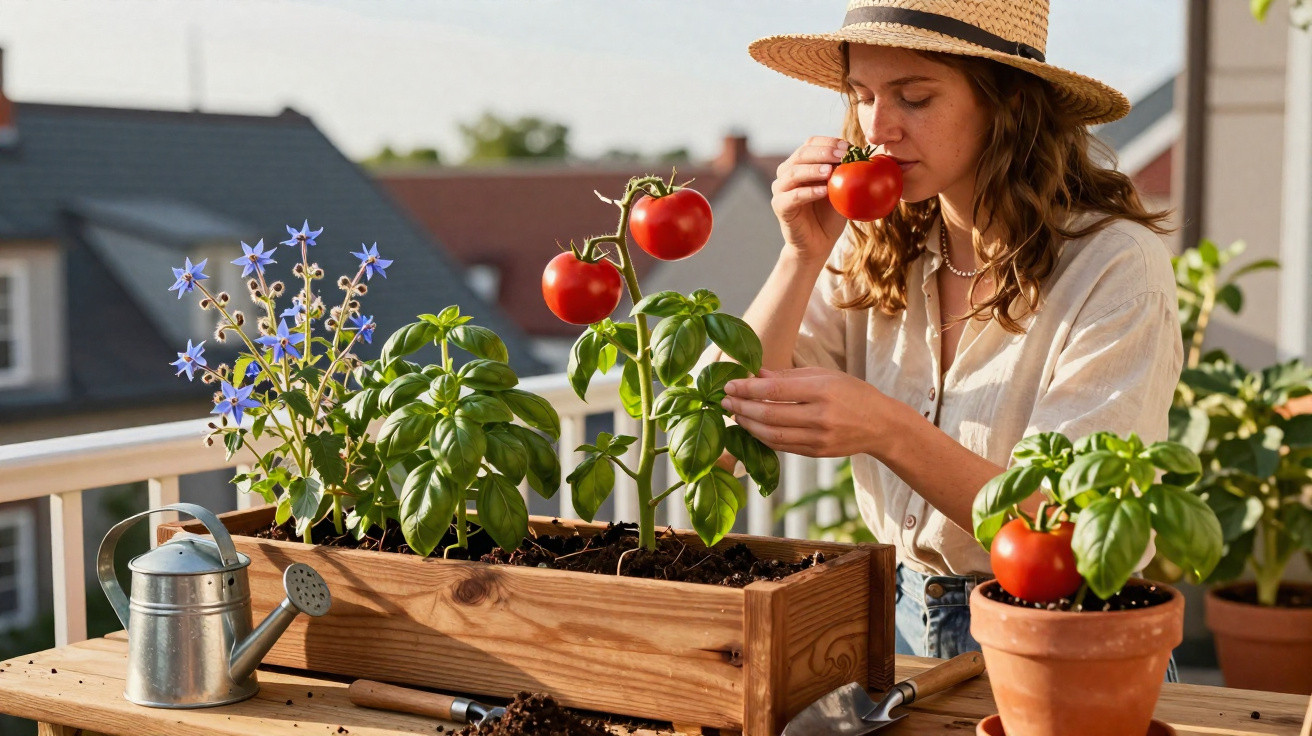
| 3 | Bush tomatoes or patio tomatoes with basil |
| 4 | Flowering plants for bees, such as calendulas or cosmos |
When a move is approaching, some of the soil can be removed to reduce the weight. With a sack truck or wheeled pallet, the raised bed can still be transported as a whole.
Keeping a mobile garden portable: materials, colours and weight
To prevent a mobile garden from looking like a random collection, choose a clear design concept. Two main materials – terracotta and pale wood, for example, or zinc and black plastic – are usually enough to create a calm overall appearance.
Repeating colours also works well: recurring flower colours or evergreen plants provide a consistent thread. This makes the outdoor area look considered, even when much of it consists of containers.
Castors beneath heavy planters, lightweight saucers and sturdy handles on wooden boxes are small details that make a major difference when carrying them.
Weight is also crucial when choosing growing media. Pure garden soil makes containers extremely heavy. A mix of potting compost, some compost and, where needed, mineral additions such as expanded clay is a better choice. The pots become lighter, although they will need watering a little more often.
Everyday care: much like an ordinary garden
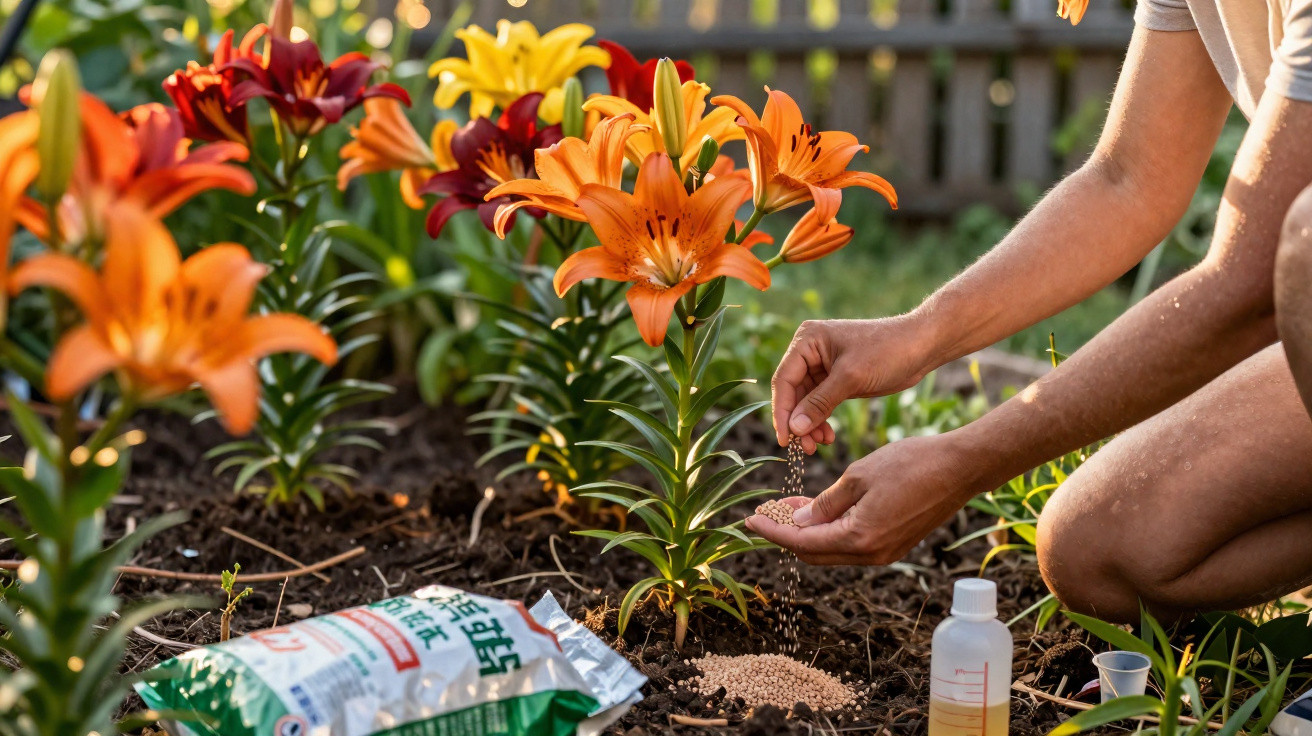
The maintenance involved is barely different from that of permanently planted beds: regular watering, targeted feeding with compost or organic fertiliser, and checking for pests are all part of the routine. Since pots dry out more quickly, water-retaining mats or mulch layers on the soil can help.
A simple routine is especially useful at the height of summer: water in the morning, then check briefly in the evening for drooping leaves or visible pests. During heatwaves, smaller pots can temporarily be moved into partial shade.
Stress-free moving with plants: preparation matters most
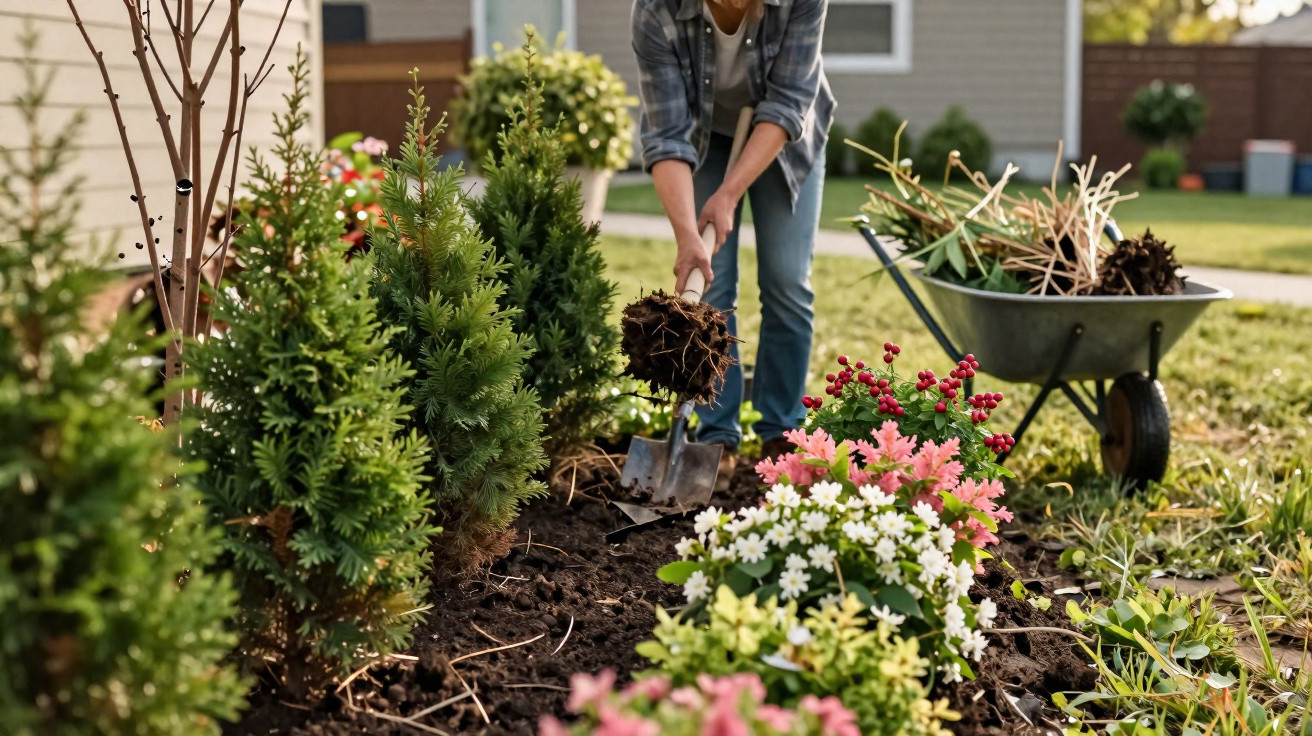
Garden tasks should be adjusted a few weeks before the move at the latest. Avoid repotting, so roots do not have to re-establish themselves immediately before transport. Delicate shoots can be loosely tied together with string to prevent breakage while being carried.
It is sensible to group pots according to their size and stability:
- very heavy containers: move individually, preferably on wheeled boards or with a sack truck
- medium-sized pots: transport upright in plastic crates or drinks crates
- smaller items such as herbs and seedlings: secure in shallow boxes with newspaper
Water the day before, but not immediately before transport: the soil should still hold together without water sloshing from the pots. At the new home, give plants a proper drink and initially place them somewhere fairly shady until they have recovered.
How mobile gardens affect neighbours, the climate and your budget
A well-planned rental garden is not limited to personal enjoyment. Keeping berry bushes in containers or maintaining a well-stocked herb shelf naturally creates points of conversation around the building – from sharing basil to offering tomatoes to the child next door.
From an ecological perspective, even small container gardens bring more insects and birds into often monotonous back gardens. Flowering plants in pots, wildflowers in planters or an insect-friendly raised bed provide feeding spots without requiring deep intervention in the soil.
The investment makes financial sense too. Rather than spending money on fixed beds that must be left behind on moving out, it goes towards portable containers, trellises and robust plants. All of these remain your property and travel with you on every move – whether that happens once or five times.
Anyone only just starting out can begin on a small scale: one wheeled raised bed, an herb ladder and two or three large containers are enough to get a feel for the mobile garden approach. With every move, not only does the plant collection grow, but so does the routine of moving your green living room safely and quickly from A to B.
Comments
No comments yet. Be the first to comment!
Leave a Comment