
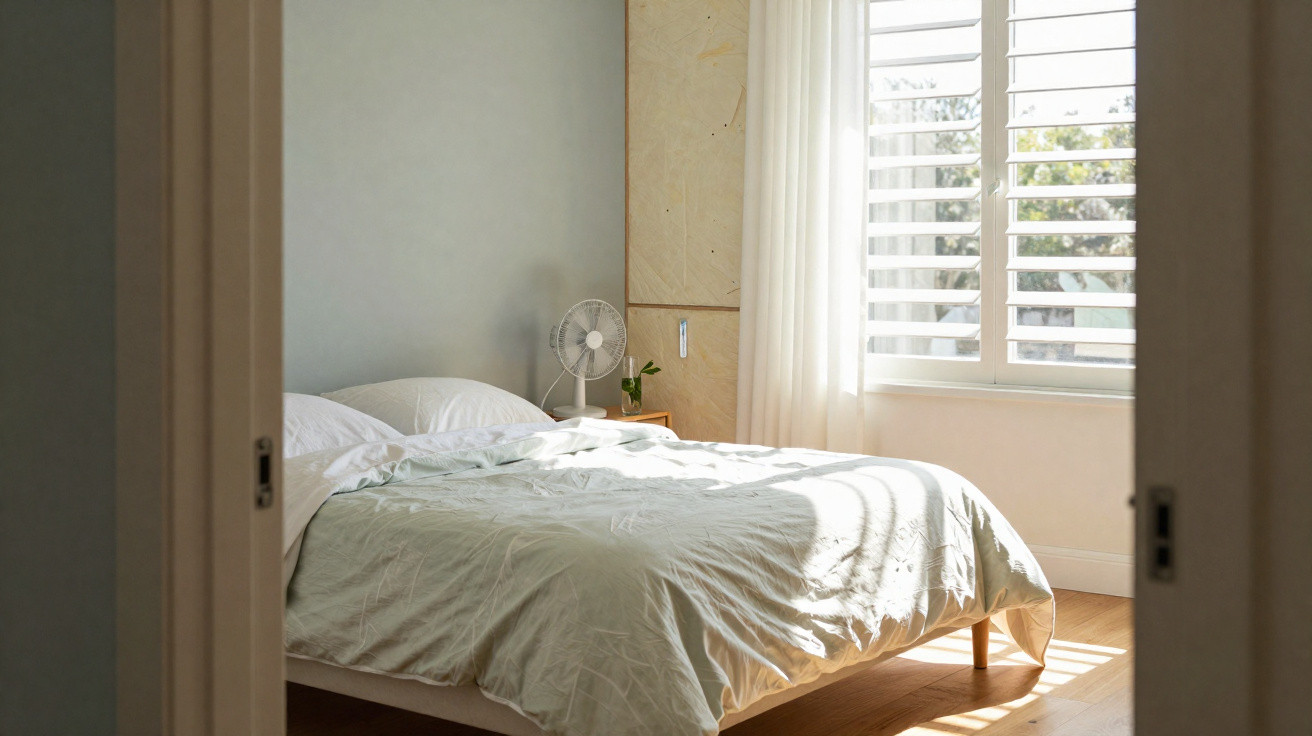
Sleeping in a stuffy environment affects the quality of rest and undermines the day-to-day wellbeing of the whole family. Understanding how to control incoming solar radiation can turn a hot bedroom into a welcoming, highly comfortable retreat.
How does afternoon solar radiation affect the bedroom?
Direct sunshine in the afternoon strikes exposed surfaces of homes with considerable intensity. This ongoing heat-retention process causes the room’s structure to store warmth, creating lasting discomfort and an extremely stuffy atmosphere.
At night, masonry and concrete materials slowly release all that stored energy back into the interior. Without an effective barrier plan, hot air remains trapped, disrupting sleep and increasing electricity consumption.
Why does your home retain so much heat even after the sun has gone down?
The reason lies in building materials that continuously absorb thermal energy and release it gradually throughout the… Read more
Which practical solutions block heat at the windows?
Windows are the main route through which thermal rays enter the bedroom late in the afternoon. Applying reflective film to the glazing is a practical method that limits the passage of light and keeps the temperature steady.
Another essential option is to use specialist fabrics designed to block direct light and radiation. A reinforced blackout curtain provides effective protection, preventing heat build-up and improving the indoor environment.
Below is a video from the YouTube channel PLANARQ CAMPOS / Ralph Dias, which explores the points discussed in this topic in greater depth:
How can you insulate walls exposed to direct sunlight?
When walls absorb heat from the afternoon sun, they act like large radiators within the home. Fitting thermal foam boards to the internal face prevents this energy from passing through the masonry and warming the space.
A further modern alternative is to build a lightweight secondary wall lined with high-density insulating panels. This system forms a protective layer that blocks the release of stored heat, ensuring greater freshness and excellent wellbeing.
Essential bedroom cooling kit
Essential thermal solutions
Here are three key resources for tackling excessive heat in the room:
- Blackout curtain with UV protection to hold back direct sunlight;
- Solar-control film applied directly to the window glazing;
- Thermal wall foam that blocks the transfer of ambient heat.
What can be done to the ceiling to prevent heat from the roof?
The roof of top-floor properties or houses with exposed tiles receives a heavy load of solar radiation every day. Investing in thermal insulation above the ceiling acts as an effective shield, holding hot air in the upper area.
Designing a roof-cooling system lowers the outer surface temperature by using automated water sprinklers. This technique drastically reduces heating of the structure, delivering a pleasant climate with sustainable savings.
See below for some additional measures that help reduce heat in the bedroom:
- Cross-ventilation by keeping opposite windows open during the night;
- Using plants positioned strategically to filter solar radiation;
- Cool LED bulbs that do not give off heat into the room.
How can you keep the bedroom cool throughout the night?
To ensure restful sleep, it is essential to adopt habits that encourage constant air renewal at dusk. Opening vents or windows on opposite sides creates a cooling airflow that pushes out accumulated heat, reducing the stuffy feeling and bringing relief.
Combining physical barriers with air circulation improves quality of life on hotter days. By applying these accessible techniques, you can ensure milder nights and restore your home’s comfort in a practical way.





Comments
No comments yet. Be the first to comment!
Leave a Comment