
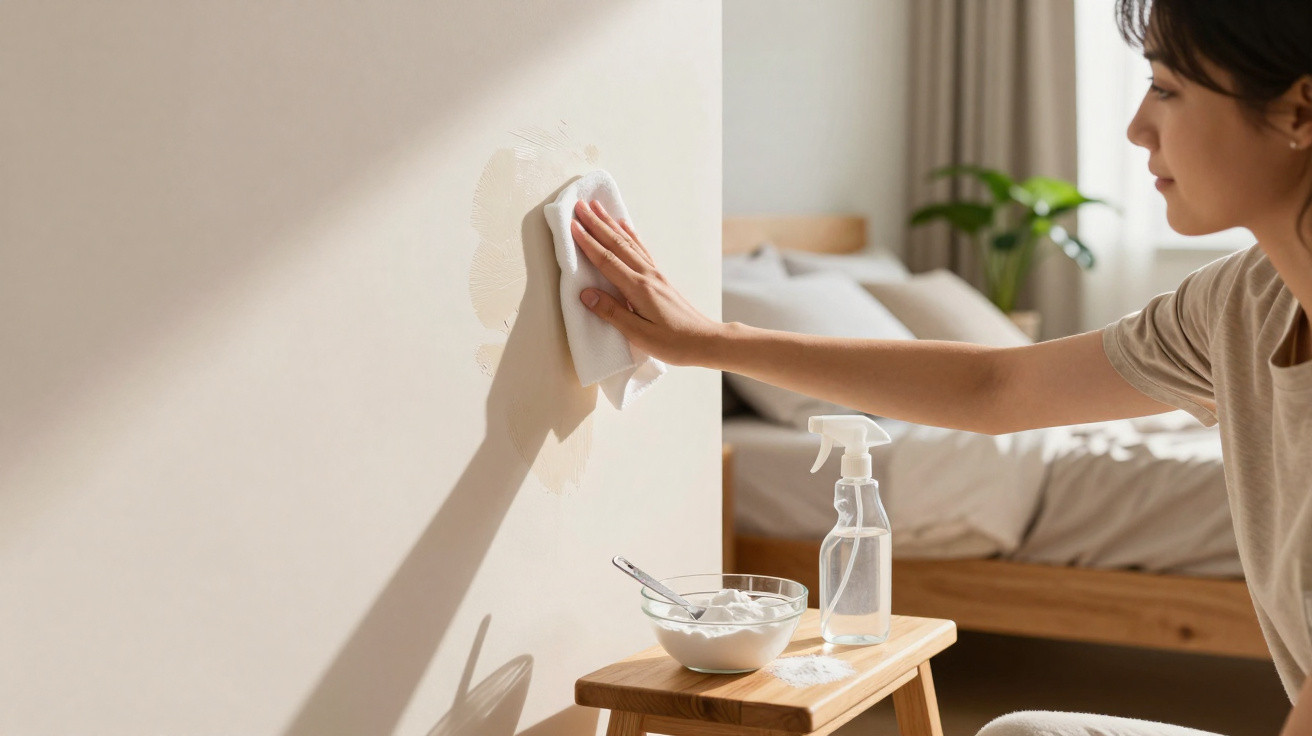
Finding those dreaded dark marks in the corners of a home is often one of the most frustrating experiences for anyone who values a genuinely spotless living space. Keeping a house in order calls for effective domestic hygiene strategies that remove harmful microorganisms without damaging the delicate surfaces in each room.
Why do household surfaces suffer so much from the effects of constant damp?
Fungal microorganisms tend to develop on surfaces mainly in places with limited airflow and a high concentration of water vapour. This unpleasant situation damages the appearance of indoor spaces and reduces the lifespan of paintwork, making a thorough home cleaning routine necessary.
Adopting daily natural ventilation habits helps protect the integrity of internal structures, preventing new outbreaks from spreading into corners. Building upkeep and home maintenance rely directly on these consistent preventative measures, which help to ensure healthy spaces.
- Natural ventilation: Opening windows every day greatly improves air circulation throughout the rooms.
- Sunlight: Allowing sunlight to enter helps to limit fungal growth.
- Suitable products: Using the right eco-friendly solutions keeps treated surfaces protected for much longer.
How can the right cleaning methods be used without harming wall coverings?
Using effective homemade mixtures is an excellent alternative to overly harsh chemical products that can fade wall coverings. This careful approach to the weekly clean protects the property and delivers lasting results when removing visible dirt.
When the correct procedure is carried out on the affected surface, the finish remains attractive and free from severe contamination. Choosing the right ingredients intelligently turns everyday household care into a practical home organisation task.
To see how these effective preservation techniques are applied in practice, it is worth following the detailed instructions on Julio Luchmann’s YouTube channel, which demonstrates the complete step-by-step process:
What is the secret to removing dark marks permanently?
The strategic use of natural alkaline substances creates a deep reaction that disinfects the area without causing the property paintwork to peel. This revolutionary domestic preservation technique restores a refreshed appearance to the room without the need for costly or time-consuming renovations.
Long-lasting wall protection
Deep action against microorganisms
Mixing the right ingredients in a spray bottle makes it easier to apply them evenly across the affected area of the room.
Allowing the product to work for a few minutes ensures the complete removal of dirt deposits without excessive mechanical effort.
Once the impurities have been removed, the resident notices a significant improvement in the quality of the air breathed within the room itself. Understanding the best steps for carrying out this task makes time spent on room hygiene more efficient:
- Spray the solution gently across the entire discoloured area.
- Leave the mixture to work for approximately ten minutes, loosening the particles attached to the surface.
- Remove the residue using the correct tools to prevent damp from returning.
How does bicarbonate of soda help preserve a bedroom wall?
The versatility of this mild chemical compound makes it possible to neutralise the acidity that encourages unwanted biological colonies to develop on vertical surfaces. Treating the bedroom wall with this affordable substance creates an effective protective barrier against deterioration caused by damp conditions.
This preventative maintenance stops dust and other residue from building up, as these can provide food for agents that damage household paintwork. Modern home care methods prioritise sustainable solutions that do not harm residents’ health.
- Bicarbonate of soda acts directly on the root of the problem without damaging the paintwork.
- Regular application inhibits the return of fungal colonies during colder seasons.
- The ingredient’s low cost makes a consistent routine for preserving living spaces achievable.
When should black marks be removed with a dry cloth?
The final stage of the process requires full attention so that no liquid residue remains trapped within the treated brickwork structure of the property. Removing any remaining black marks with the essential help of a good dry cloth ensures that the surface is left completely waterproofed and protected.
This meticulous care during gentle rubbing prevents the fabric fibres from spreading invisible spores to other clean areas of the room. Following these technical recommendations ensures a high standard of excellence in the household care routine of any home.

Comments
No comments yet. Be the first to comment!
Leave a Comment