

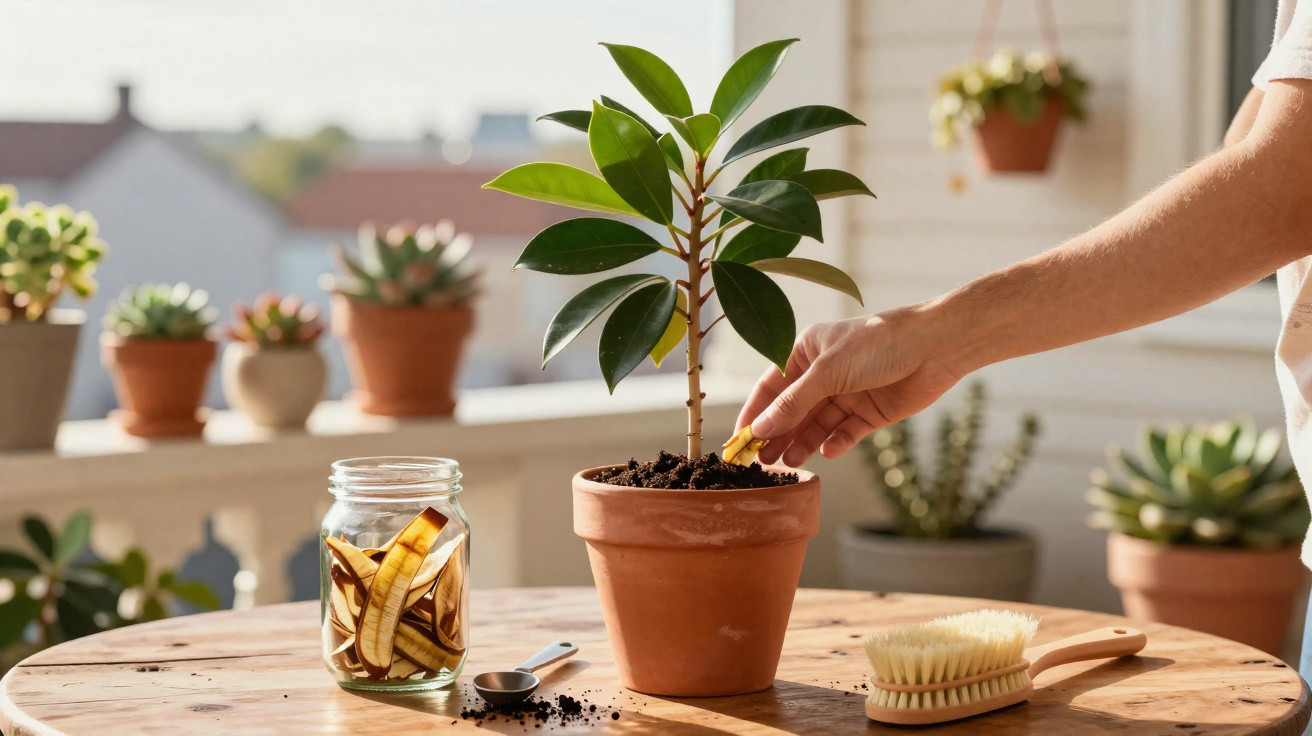
The Ficus elastica, also called the rubber plant, is among the most popular indoor plants in homes and offices. Its large, sturdy green leaves are especially appealing when they have a natural sheen. Achieving this mainly requires a few routine adjustments: gentle cleaning, plenty of indirect light, balanced watering and a stable setting, while avoiding harsh products and excesses that could harm the plant.
What is Ficus elastica and why does leaf shine matter?
Native to tropical parts of Asia, Ficus elastica adapts well to indoor spaces with good indirect light and moderate humidity. When grown in pots, it can reach 1 to 3 metres in height. Its thick leaves offer a visual indication of growing conditions, showing whether the plant has adjusted well to its surroundings.
Dull, dusty or marked leaves may point to issues such as overwatering, insufficient light or a build-up of dirt. By contrast, natural shine suggests efficient photosynthesis and lower susceptibility to pests. Often, restoring this sheen simply involves improving where the plant is positioned and fine-tuning small daily care habits.
How can you clean Ficus elastica leaves safely and naturally?
To bring out their natural shine, remove dust without damaging the leaf surface or its protective cuticle. Greasy products and overly strong solutions can block the pores and encourage fungi, so the simplest method is often the most effective.
For regular cleaning, a few practical items can keep the leaves healthy and clean without causing damage or adding unnecessary chemicals:
- A soft, damp cloth: lifts dust without scratching the leaf surface.
- Room-temperature water: prevents temperature shock and unwanted marks.
- Very diluted mild soap: use only for more stubborn dirt, always rinsing afterwards.
- Avoid alcohol and cooking oils: these can damage the leaves and attract dirt.
Which daily care habits keep Ficus elastica leaves glossy?
Leaf shine is closely connected to the conditions in which a Ficus elastica is kept. Light, watering, air circulation and humidity all affect the texture and colour of its leaves. In overly dark locations, the plant is likely to produce smaller, less firm leaves, while intense direct sun can result in scorching and brown patches.
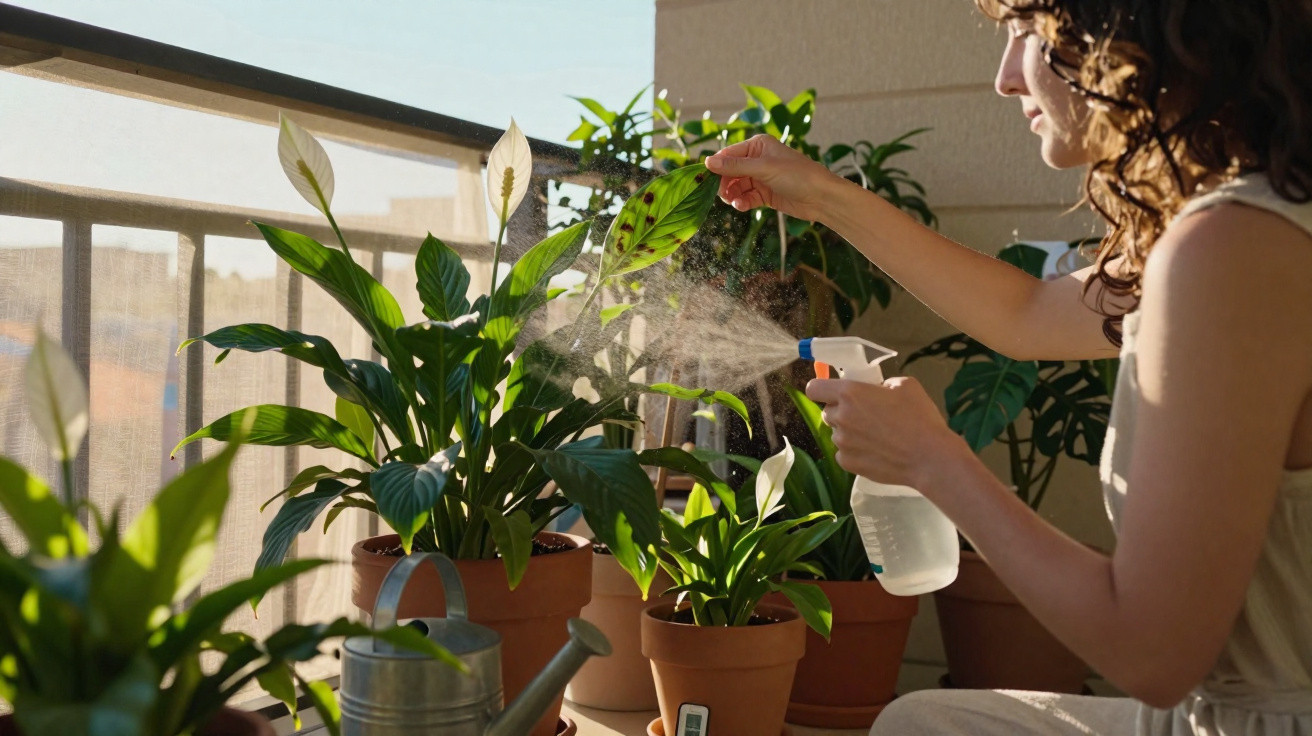
In general, Ficus elastica prefers abundant indirect light, well-draining compost and moderate watering, with the compost allowed to dry slightly between waterings. In very dry towns and cities, misting water around the plant-without soaking the leaves-and keeping it away from air-conditioning units can help prevent dry leaf edges.
How can you use Ficus elastica in your décor without harming the plant?
In interior décor, Ficus elastica is often placed in prominent areas such as living rooms, entrance halls and offices. However, the best position should meet both aesthetic requirements and the plant’s needs. It generally grows more vigorously and develops glossy leaves near bright windows, provided it is protected from strong draughts and direct afternoon sunlight.
Plant stands and decorative pot covers can enhance its appearance without obstructing the drainage holes of the inner pot, allowing excess water to drain freely. In a stable environment with diffused light, gentle airflow and regularly cleaned leaves, Ficus elastica can remain attractive for years, serving as a long-lasting decorative feature and a quiet indication of the quality of its environment.

Comments
No comments yet. Be the first to comment!
Leave a Comment