

The changeover between seasons is widely regarded as the most sensitive period for lawn care, particularly after several months of severe cold. At this point, grass emerges from dormancy and begins growing again, so it needs appropriate support to build strength before summer arrives. How the soil is managed now has a direct effect on the lawn’s ability to withstand high temperatures and dry spells.
Why lawn care matters so much during this phase
As growth resumes, the plant channels energy into producing fresh leaves and roots, making the most of soil that is still moist and gradually rising temperatures. A lawn that is properly maintained at this stage is more likely to become denser, develop deeper roots, show fewer bare patches and require fewer emergency measures in summer.
This is also the ideal time to address winter damage, including trampled areas, compaction and patches of dead grass. Straightforward measures such as light aeration, repairing gaps and managing watering can prevent later difficulties and create a firm foundation for a healthy garden. In areas with a milder climate, this care can continue throughout the grass’s active growing season, with mowing, watering and feeding adjusted according to how the green cover responds.
What is Epsom salt for lawns and what does it do in practice?
Epsom salt consists of magnesium sulphate, which supplies magnesium and sulphur, two nutrients that are important for many plants. Magnesium contributes to chlorophyll production, which is responsible for green colour and photosynthesis, while sulphur supports protein synthesis and the overall vitality of plant tissues.
For lawns with a dull appearance or slow growth, correcting possible deficiencies of these elements may improve grass vigour. Even so, the condition of the soil should be assessed and, whenever possible, a technical analysis should be obtained before applying anything, in order to avoid unnecessary excesses. Where soil already contains adequate magnesium, indiscriminate use of Epsom salt can upset the availability of other nutrients, such as calcium and potassium.
How to use Epsom salt on a lawn safely and in balance
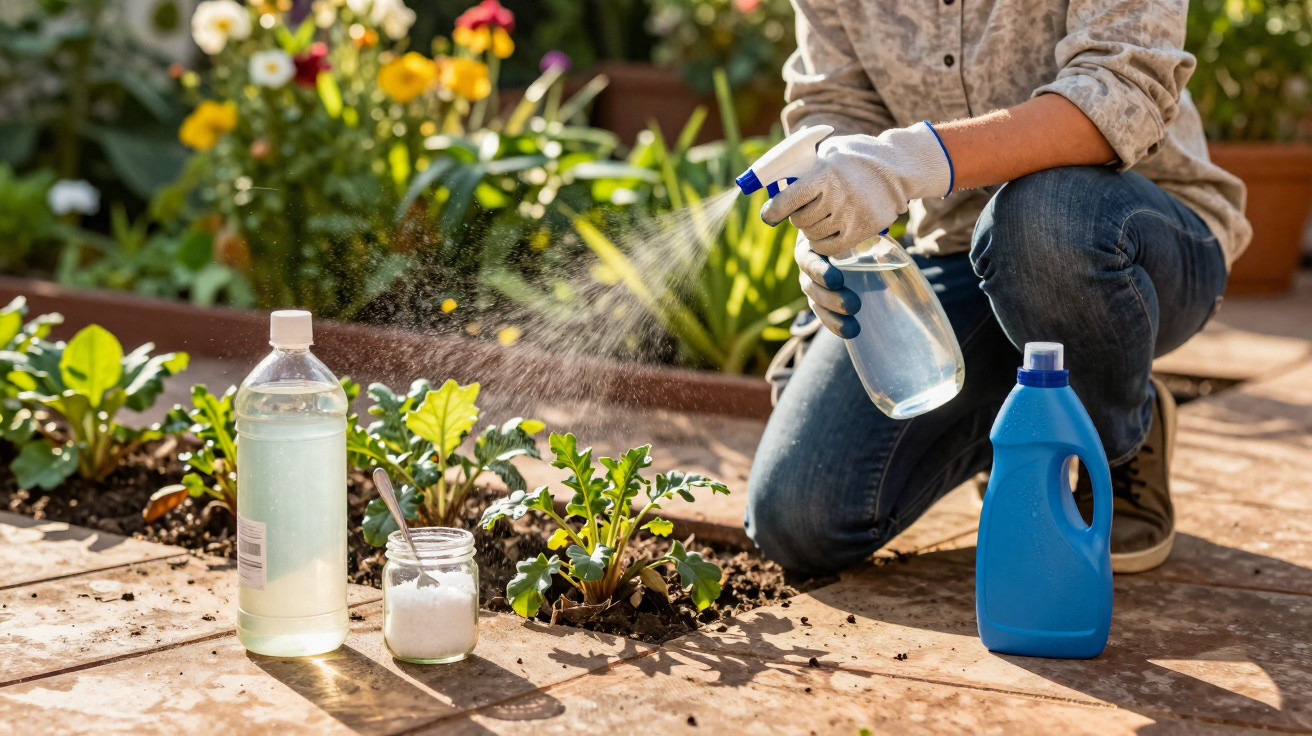
Organic lawn-care professionals advise using Epsom salt as a supplement within a broader maintenance plan, rather than as a standalone solution. One practical approach is to dilute it in water, use small quantities at regular intervals and always avoid waterlogging the soil.
This method delivers nutrients gradually and, when correctly measured, is generally more considerate of garden wildlife. A simple application routine usually follows steps such as those below, which can be adapted in line with professional advice:
- Dissolve a moderate amount of Epsom salt in warm water to make dilution easier.
- Pour the mixture into a sprayer or a watering can fitted with a rose.
- Spread the solution evenly across the lawn without causing waterlogging.
- Repeat the process, generally once or twice a month, according to professional guidance.
Using the growing period to strengthen grass with organic lawn care
Organic care focuses on building healthy soil by bringing together nutrition, suitable physical structure and active microbial life. In practical terms, this involves combining measures such as organic matter, periodic aeration, regular mowing and controlled watering, while introducing supplements such as Epsom salt only when there is a genuine need.
By viewing this growing period as a strategic opportunity, the person responsible for the garden can monitor the vegetation’s response and fine-tune maintenance more accurately. The lawn can then enter summer with deeper roots, a greater ability to retain moisture and less reliance on emergency solutions, resulting in a greener surface that remains more resilient and stable throughout the year. In places with year-round warm weather, the same principle applies across the entire cycle, with additional attention during periods of greater water stress and extreme heat.





Comments
No comments yet. Be the first to comment!
Leave a Comment