
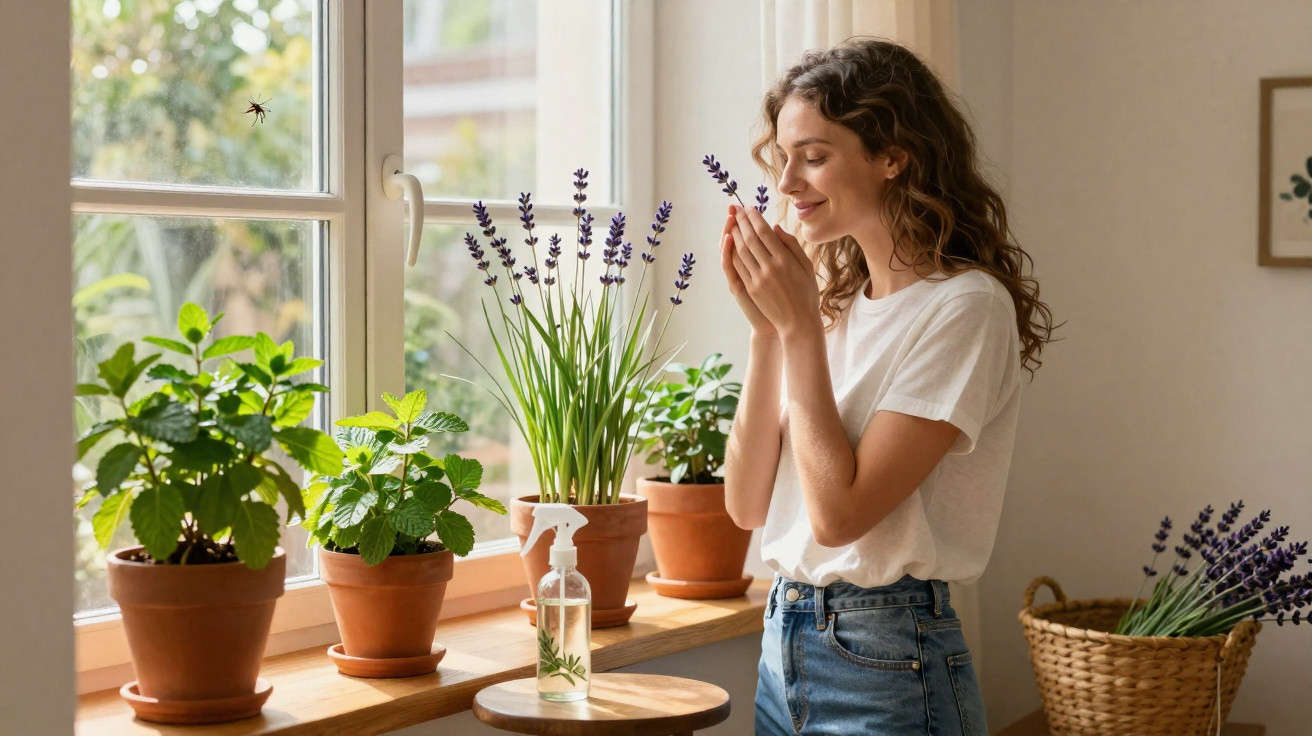
Keeping mosquito-repelling plants at home is a straightforward way to tackle several issues without relying entirely on sprays and insecticides. Whether you live in a flat, a house with a garden, have a small balcony or space by the kitchen window, a few potted varieties can help deter mosquitoes, decorate the setting, scent your home and remain easy to care for day to day.
Do mosquito-repelling plants really help at home?
These plants cannot solve the problem alone, but they can be a useful additional measure. It remains important to fit window screens, avoid standing water and properly maintain drains, gutters and damp corners.
Placed strategically, they release scents that mosquitoes find unpleasant, creating a kind of “aromatic barrier”. As they can be grown in pots, they are suitable for balconies, gardens, windowsills or kitchen worktops, without the use of chemical products.
Watch the video below from the YouTube channel TV Aparecida, featuring 7 plant species that help keep insects away:
Potted citronella for practical mosquito control
Citronella is the classic choice for repelling mosquitoes. Its leaf essential oil, which is rich in citronellal and geraniol, interferes with the insect’s “radar”, making it harder for mosquitoes to locate people through body scent.
It performs best in well-ventilated spots, such as balconies and doorways leading outside. A few simple measures will help you get the most from the plant while keeping the pot in good condition:
- Put it somewhere that receives direct sunlight for several hours each day;
- Choose a pot with effective drainage and light growing medium, ensuring the soil does not become waterlogged;
- Trim overly long tips and regularly remove dry leaves;
- Replace the top layer of growing medium once a year.
Mint and lavender as everyday natural repellents
As well as being useful in teas and recipes, mint can help mask body odours that attract mosquitoes. Menthol and other compounds in its leaves are pleasant to people but troublesome for mosquitoes, particularly when the leaves are gently crushed.
Lavender is known for its delicate, relaxing fragrance, yet its linalool-rich essential oil is also unwelcome to insects. It needs direct sunshine and freely draining soil, whereas mint prefers partial shade and moister soil, allowing each plant to be placed in different areas of the home.
How to combine mosquito-repelling plants effectively at home
Using citronella, mint and lavender together creates a blend of fragrances that increases mosquitoes’ discomfort. Before positioning the pots, assess the light levels and airflow in each area so that every species is placed where it will thrive.
A practical arrangement is to keep citronella at entry points, mint in food-preparation and living areas, and lavender in bedrooms and quiet resting spaces. With moderate watering, light pruning and attention to sunlight, the usual result is fewer mosquitoes, more greenery indoors and a pleasant atmosphere without overusing chemical products.

Comments
No comments yet. Be the first to comment!
Leave a Comment