
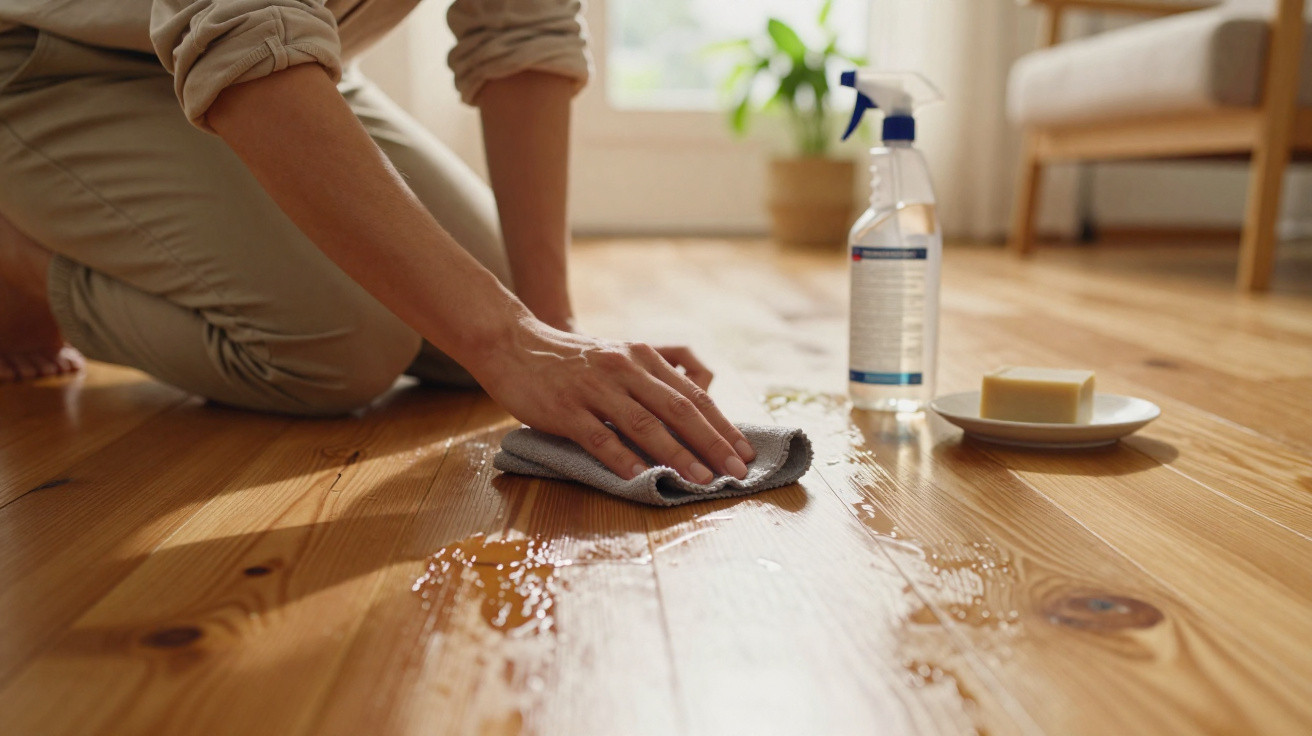
A scratched, dull floor can make it seem as though replacing every tile is the only option. In reality, straightforward techniques can restore the surface’s appearance and bring back a clean, well-maintained finish without major renovation work, provided you understand the type of flooring, the damage involved and the suitable products for each situation.
How do you start restoring a scratched, dull floor?
Before taking any action, carry out a basic clean and a quick visual inspection. This makes it easier to establish whether the scratches are superficial, whether the issue is simply a lack of shine, or whether the protective layer has already suffered deeper wear.
Start by clearing away loose dirt and built-up residue, as these act like daily “sandpaper”. Thorough sweeping or vacuuming, followed by a damp cloth with diluted neutral detergent, can already improve the overall appearance and prepare the floor for more targeted treatments.
Watch a video on the MP Decorações YouTube channel covering simple techniques for refreshing matt floors and restoring shine to old, worn surfaces:
How can you clean flooring safely and choose the right products?
To bring back shine, it is best to avoid harsh homemade mixtures, such as excessive vinegar, soda crystals or concentrated bleach, as they may stain and corrode the surface. Instead, use cleaners recommended for the relevant material, compatible waxes and shine restorers designed for porcelain tiles, ceramic tiles or laminate flooring.
When applied properly, these products can help conceal fine scratches and create a more even finish without damaging the floor’s protective layer. In high-traffic areas, they may also reduce how often more intensive cleaning is needed.
What care is needed for each type of flooring?
The right restoration method depends directly on the flooring material. A product that performs well on ceramic tiles may damage polished porcelain tiles or make laminate flooring slippery, creating a bigger problem rather than a solution.
To make the choice easier, identify which category the floor belongs to and follow guidance tailored to that material:
- Porcelain tiles: polished, satin or glazed finishes, which can lose their shine through friction and unsuitable products;
- Ceramic tiles: standard or glazed varieties, generally more durable but prone to ingrained dirt in the grout;
- Laminate flooring: wood or wood-effect finishes, sensitive to moisture and unsuitable for polishing.
For porcelain and ceramic tiles, specialist cleaners remove old wax residue, grease and ingrained dirt, often restoring the original shine after careful rinsing. With laminate flooring, the priority is gentle cleaning with a well-wrung cloth, using suitable renewing products and, where required, repair pens or filler compounds matched to the floor colour.
How can you make floor restoration results last longer?
Once the floor has been restored, how long the result lasts largely depends on daily care. Mats at entrances help limit sand and small stones, while felt pads beneath furniture legs prevent fresh scratches when chairs, tables and sofas are moved.
It is also worth choosing a soft-bristled broom or a vacuum cleaner with a suitable floor attachment, always using neutral detergent and immediately drying any spills, particularly on moisture-sensitive laminate flooring. With these simple measures, a restored floor can retain a good appearance for years, delaying the need to replace tiles for as long as possible.
Comments
No comments yet. Be the first to comment!
Leave a Comment