
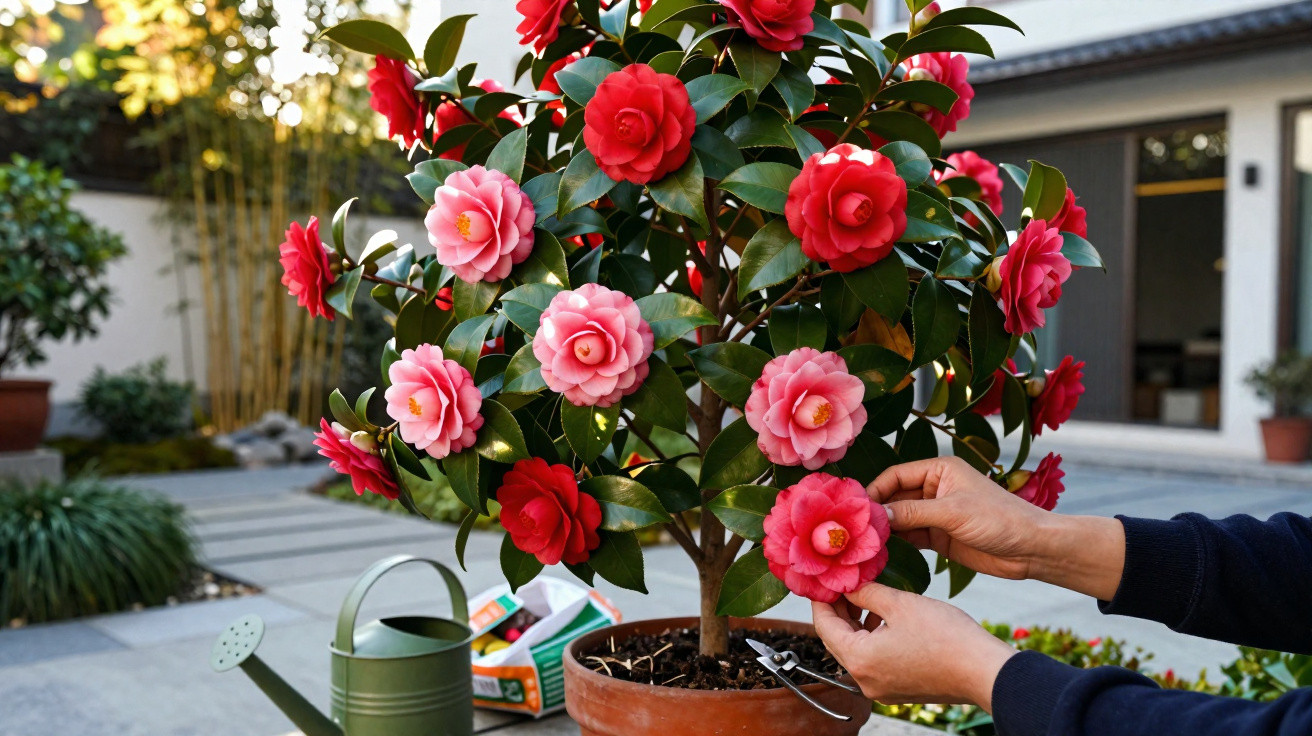
The presence of a Japanese flower such as the Japanese camellia (Camellia japonica) is increasingly catching the eye in home gardens and urban balconies. Despite its delicate look and seemingly fragile form, this species is hardy and adaptable, pairing a sophisticated appearance with straightforward care, provided a few essentials are met: suitable light, moderate watering and a properly prepared growing medium.
Why is the Japanese flower so prized in modern gardens?
The appeal of this garden flower of Japanese origin, including Camellia japonica itself, comes from its blend of refined beauty and resilience. Many varieties have slender petals, soft colouring and graceful shapes that evoke traditional oriental garden arrangements, while also tolerating moderate temperature changes well.
It is also a versatile landscaping plant, working either as a focal point or as part of mixed borders. It grows successfully in pots, planters and directly in the ground, making it easy to use on compact balconies, timber decks, stone paths and spaces beside water features, where it creates harmonious contrast in contemporary designs.
How do you grow the sacred Japanese flower in pots and flower beds?
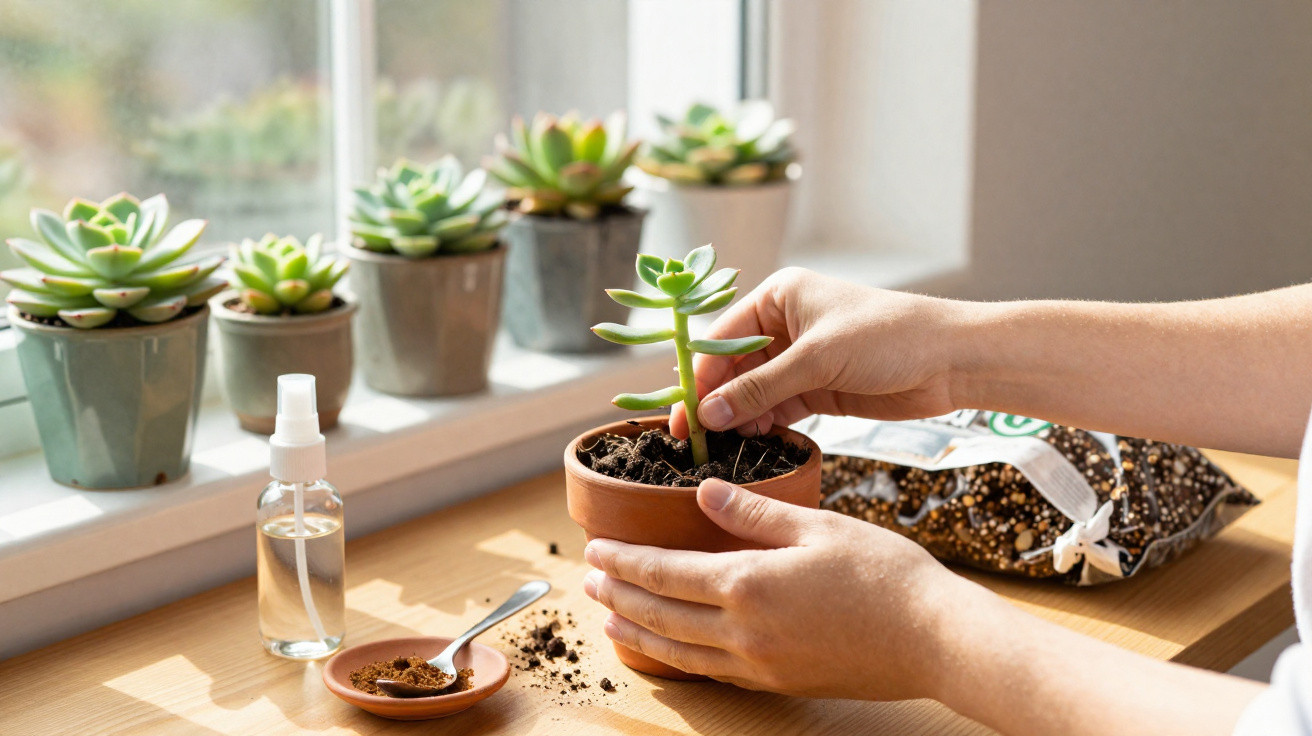
Growing this sacred Japanese flower, represented by the Japanese camellia (Camellia japonica), in containers or flower beds requires a free-draining growing medium, balanced watering and plenty of bright indirect light. When planting in pots, choose containers with drainage holes and, where possible, use a separate saucer to prevent water from collecting around the roots, as this can encourage fungal problems and rot.
For first-time growers, the following simple sequence can help organise the initial planting process:
- Choose a position with bright indirect light or gentle sunshine.
- Prepare the growing medium using topsoil, organic compost and coarse sand.
- Place the young plant carefully, keeping the root ball intact.
- Fill around it with the growing medium without over-firming it.
- Water thoroughly immediately after planting, then allow all excess water to drain away.
What are the ideal watering, suitable light and main landscaping uses?
The watering routine for this Japanese species depends on balance: the soil should remain slightly moist, while the surface layer needs to dry between waterings. Watering will be needed more often during very hot weather, but should normally be reduced in rainy or cold periods; touching the soil with your fingers helps determine the right time.
In terms of light, the plant favours strong indirect light or gentle morning sun. Avoid harsh midday sunshine, which can damage both petals and leaves. In landscaping, Camellia japonica can be paired with dark-green foliage plants, ornamental grasses or pale stones, creating calm, orderly arrangements in home gardens, small balconies or near benches and seating areas.
- Single-colour planting schemes along paths.
- Groups of medium-sized pots at different heights.
- Arrangements with pale stones in minimalist gardens.
- Combined with low-growing grasses to introduce movement.
What extra care keeps the Japanese flower healthy for longer?
To extend the beauty of the Japanese flower, remove spent blooms and damaged leaves with sharp scissors, cutting above a visible node or bud. This tidying directs the plant's energy towards fresh growth and encourages more continuous flowering throughout the year, especially in Camellia japonica varieties grown in home gardens.
It is also worth checking regularly for common pests, including scale insects and aphids. Mild cases can be treated with a solution of water and mild soap applied only to the affected parts. With a suitable growing medium, moderate watering, good light and a light application of organic fertiliser two or three times a year, the species is likely to stay vigorous and remain a versatile choice for contemporary gardens with a subtle Japanese-inspired touch.


Comments
No comments yet. Be the first to comment!
Leave a Comment