
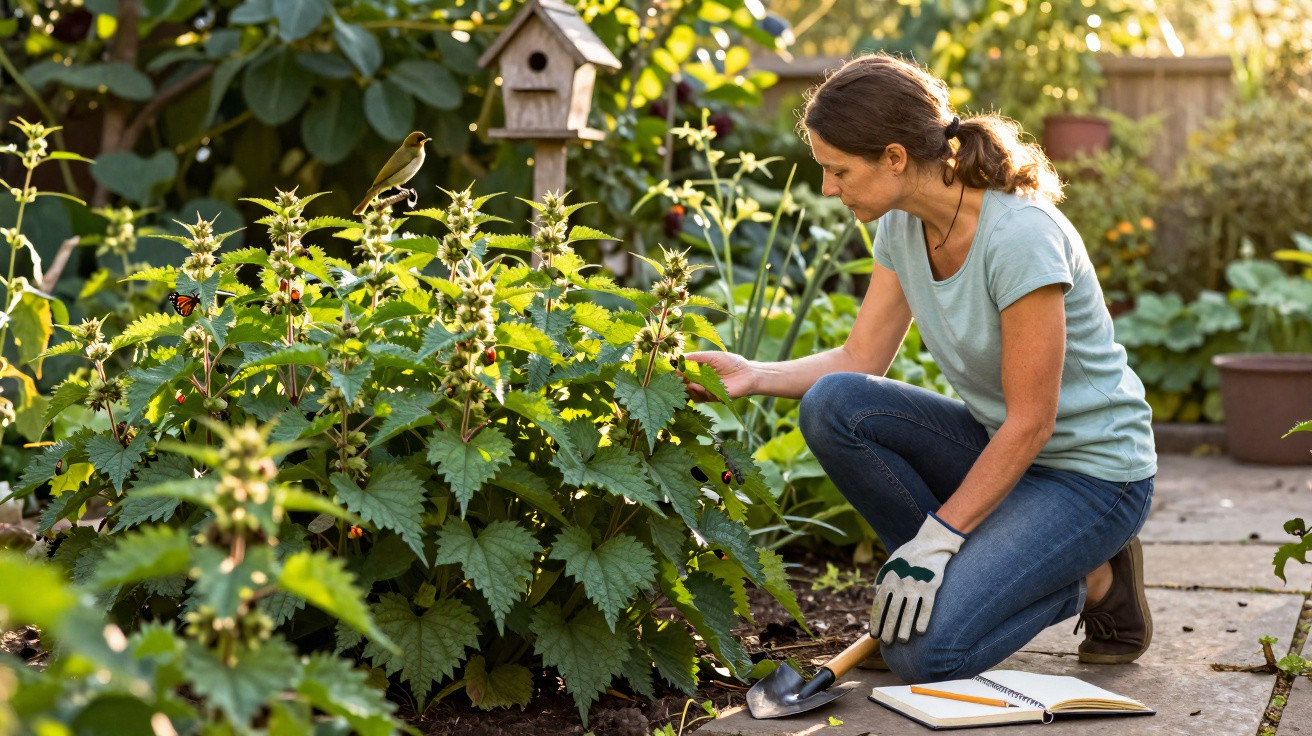
Maintaining a balanced natural space means taking a closer look at plants that are commonly discarded during everyday management. Hardy species are often treated as mere nuisances, yet they fulfil crucial roles for local biodiversity, acting as the foundations of living, healthy ecosystems.
Why is nettle essential for pollinators?
Nettle often appears naturally in flower beds and is quickly removed by gardeners without a second thought. This plant is a vital resource, providing exclusive host habitat for the reproductive cycle of several butterfly species.
Many moths rely on these nutritious leaves as a safe place to lay their eggs during the larval stage. By retaining this vegetation, you support the survival of countless insects that carry out essential ecological functions, maintaining a dynamic balance within the garden.
What does it mean when many butterflies visit your space?
A steady presence of pollinators shows that your ecosystem provides vital resources and shelter, revealing that something special is happening when they choose to visit… Read more
How do birds benefit from this natural ecosystem?
As well as insects, the plant’s presence draws a range of birds that come to feed on the small creatures living among its leaves. The garden becomes a place of food abundance, operating as a complete chain in which every plant has a biological function.
When you let nature take its course, you can watch species return in search of shelter and seeds. This ongoing cycle highlights the value of preserving wild areas, creating a regenerative environment that sustains life in a fully self-sufficient way.
Below is a video from the Wild Your Garden with Joel Ashton YouTube channel that explores the points covered in this topic in greater depth:
What additional benefits does nettle provide for the soil?
Nettle’s deep roots can draw valuable minerals from the lower layers of the ground, bringing nutrients up to the surface. This natural nutrient-cycling process significantly improves the quality of the growing medium, benefiting every other plant that grows nearby.
Using fertiliser made from this herb speeds up the growth of flowers and vegetables, serving as a powerful organic fertiliser. With this approach, you encourage vigorous plant development, strengthen the health of young plants and ensure robust growth in an almost entirely natural manner.
Essential Gardening Kit
Sustainable Growing
Basic items for managing natural areas:
- Hard-wearing gloves for handling;
- Sharp pruning shears;
- Balanced organic fertiliser.
How can you manage this species without losing control?
Simple containment methods allow you to gain the benefits without letting the plant take over all the available space. Intelligent management turns a visual nuisance into a strategic feature that supports the aesthetic harmony and practical function of the plot.
Regular pruning prevents excessive spread while keeping young leaves available for wildlife. By following these tips, you can balance the growth of spontaneous vegetation with your intended landscape design, achieving positive results for both living creatures and appearance.
To maintain effective control over the plant’s spread in your outdoor space, consider adopting these key practices:
- Check weekly the areas where new plants emerge naturally.
- Harvest the leaves before flowering to prevent unwanted seeds.
- Set aside specific beds for this regenerative species.
Where should these plants be placed to maximise results?
Recognising the most suitable corners of the garden lets you incorporate the species discreetly and practically. Places with partial shade and consistent moisture support nettle’s vitality, ensuring it attracts the right animals without directly interfering with areas used by people.
Planning the growing site prevents accidental contact and better organises the movement of wildlife. With a carefully considered layout, you can turn the garden into an effective refuge, supporting local wildlife and protecting invaluable natural resources for everyone.


Comments
No comments yet. Be the first to comment!
Leave a Comment